As Syria works to modernise and repair its national infrastructure, one question stands out: will solar energy be a big part of the rebuilding process? Renewable energy, especially solar, has become a practical and forward-looking solution as the demand for electricity rises, the grid systems get older and public resources come under more pressure.
Because of Syria’s climate, economy and changing energy needs, solar power is more than just an option. It has a lot of potential to be a key part of rebuilding infrastructure.
The Infrastructure Problem
Rebuilding infrastructure means more than just fixing roads and bridges. It has schools, hospitals, industrial areas, telecommunications systems, electricity networks and water treatment plants. All of these things need power that is stable and cheap.
In the past, Syria’s electricity sector has relied heavily on centralised fossil-fuel-based generation. A national grid takes electricity from big power plants and sends it to cities and towns. But centralised systems can be costly to keep up, prone to problems and slow to grow when demand rises.
As rebuilding efforts continue, decision-makers have a choice: they can either copy old energy systems or come up with a new model that is more resilient and diverse.
Why Solar Makes Strategic Sense
Syria gets a lot of sun and high solar radiation all year long. Cities like Damascus, Homs and Aleppo get plenty of sunlight, which is good for photovoltaic (PV) systems. Rural and desert areas have room for big solar farms and cities have rooftops that can be used for smaller installations.
This natural advantage lowers the costs of importing fuel and making electricity on a regular basis. Solar systems need very little money to run once they are set up, which is much less than what traditional power plants need. In a rebuilding situation where money is tight, lower long-term costs are very appealing.
Decentralised Power for a Quicker Recovery
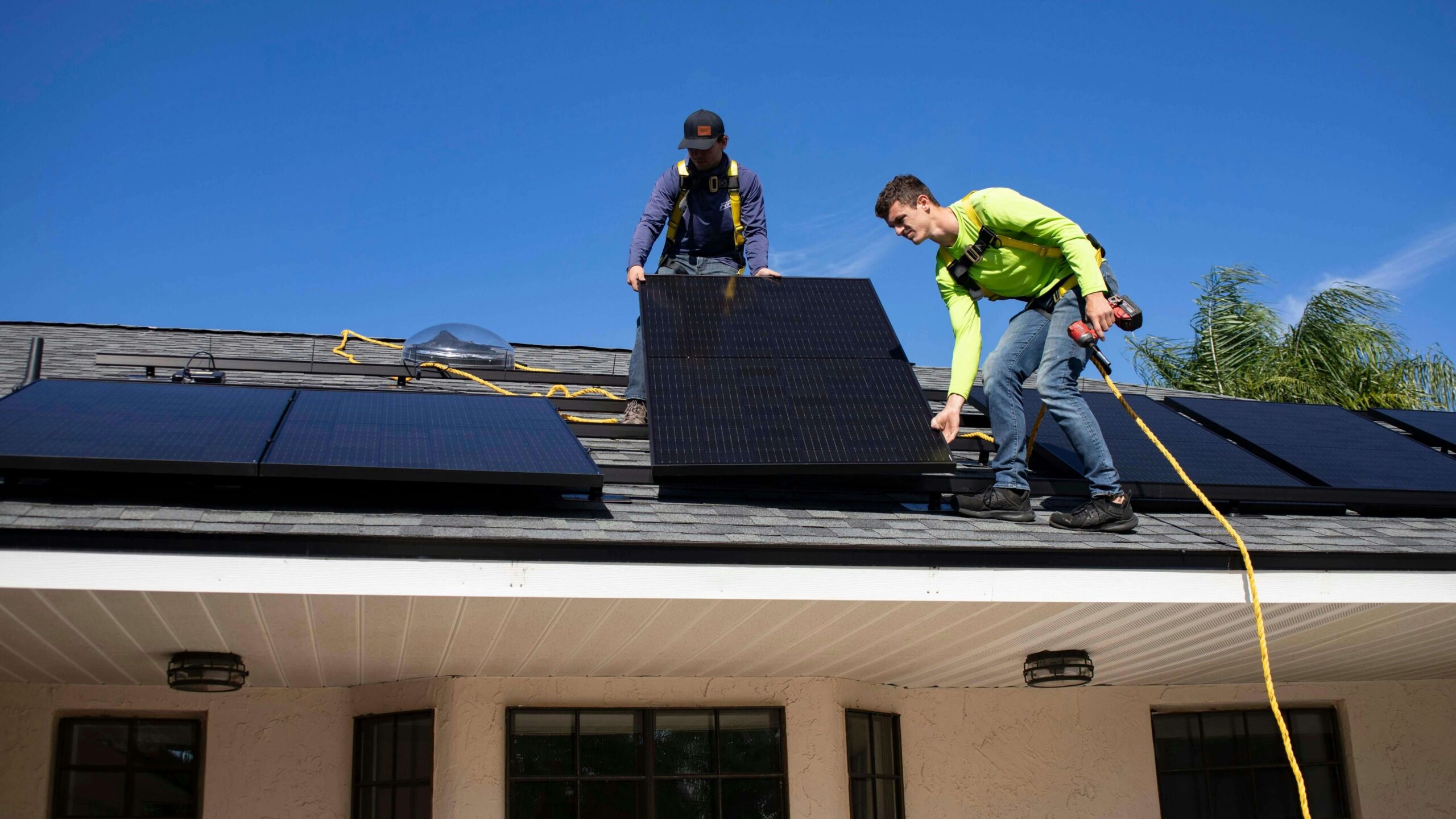
Decentralisation is one of the best reasons to use solar power when rebuilding infrastructure. Solar panels can be put directly on public buildings, apartment buildings, factories and farms instead of just relying on big, centralised plants.
For instance, putting solar panels on the roofs of schools and hospitals can give them reliable electricity during the day and ease the load on the national grid. Solar-powered water pumping stations can work on their own, which makes it easier to get water to people in remote areas.
This distributed model speeds up recovery because projects can be done in stages. Communities don’t have to wait for big infrastructure improvements to be finished before they can get a better power supply.
Helping The Economy Get Back On Its Feet
Rebuilding infrastructure is closely linked to the economy getting better. To run their businesses well, companies need electricity that they can count on. Stable energy is important for manufacturing plants, food processing plants and small businesses because it helps them save money and stay productive.
Solar energy can help industrial areas by lowering costs and giving them some energy independence. This makes businesses more competitive and encourages people to invest over time.
Also, the growth of the solar industry in the US creates jobs. Engineers, technicians, electricians and maintenance workers all play a role in creating a renewable energy ecosystem. Building local expertise makes the country stronger and lessens the need for outside technical help.
Putting solar power together with modernising the grid
Rooftop systems are important, but big solar farms can also help a lot with rebuilding Syria’s energy infrastructure. Utility-scale projects can add clean electricity to the national grid, which will make the energy mix more diverse and make the supply more stable.
But for integration to work, the grid needs to be updated. To deal with solar’s changes, we will need smart-grid technologies, better transmission lines and energy storage systems. Battery storage systems can store extra energy from the day and release it during peak evening hours, which makes them more reliable.
Syria can avoid using old infrastructure models again by adding solar power to grid upgrades. This will help the country move toward a more flexible and future-ready system.
Benefits For The Environment And Long-Term Sustainability
Rebuilding infrastructure is a great chance to make sure that development and sustainability go hand in hand. Compared to fossil-fuel-based generation, solar energy makes the air cleaner and lowers greenhouse gas emissions. Cleaner energy makes the air in cities better and helps public health.
Investing in renewable energy also makes things more stable in the long run. Prices in the global energy markets can change a lot. Syria can protect itself from changes in international fuel prices by making electricity from solar energy sources in its own country.
Sustainability is good for the environment, but it also helps the economy stay stable. Both the public and private sectors can plan better for the long term when energy costs are stable.
Financing And Policy Considerations
Policies and ways to get money will be needed for solar to become a useful part of rebuilding infrastructure. Tax breaks, low-interest loans and partnerships between the public and private sectors are some examples of incentives that can speed up adoption.
International climate finance programs might also help fund renewable energy projects. Investors will feel more confident if there are clear rules for connecting to the grid, clear rules for getting permits and clear rules for how to do business.
The economic case gets stronger as the cost of solar technology continues to fall around the world. Policymakers can use these trends to come up with rebuilding plans that don’t cost too much.
Challenges to Address
Even though it has a lot of potential, solar integration is not without its problems. The costs of installing something for the first time are still high, especially for big projects. To make sure that installation and maintenance are done correctly, technical training is necessary. To deal with intermittency, storage infrastructure needs to grow.
Also, good planning is needed to make sure that solar deployment works well with other infrastructure improvements. If they aren’t carefully integrated, renewable projects might not reach their full potential. But with careful planning and a phased approach, these problems can be solved.
An Energy Model That Looks Ahead
Will solar power be used to help rebuild Syria’s infrastructure? The signs point to it happening and it probably should. Solar energy is cheap, strong, decentralised and long-lasting. It meets local needs while also fitting in with global energy transitions.
Syria can make its energy supply more varied and secure by adding solar power to schools, hospitals, industrial areas, farms and large-scale utility projects. Instead of fixing up the infrastructure from yesterday, the country has the chance to build the infrastructure of tomorrow—modern, efficient and powered more and more by the sun.