Years of conflict, a lack of adequate infrastructure, damage to roads, economic sanctions, and a general lack of resources have all contributed to Syria’s ongoing energy crisis. Because of the ongoing energy crisis, Syria’s citizens and businesses have had to turn to diesel generators. Due to high importation costs of diesel, reliance on solar energy seems to be the most viable solution. But, aside from its technical advantages, the main question is whether solar energy is a feasible economic alternative in Syria.
Renewable Energy and Solar Resource in Syria
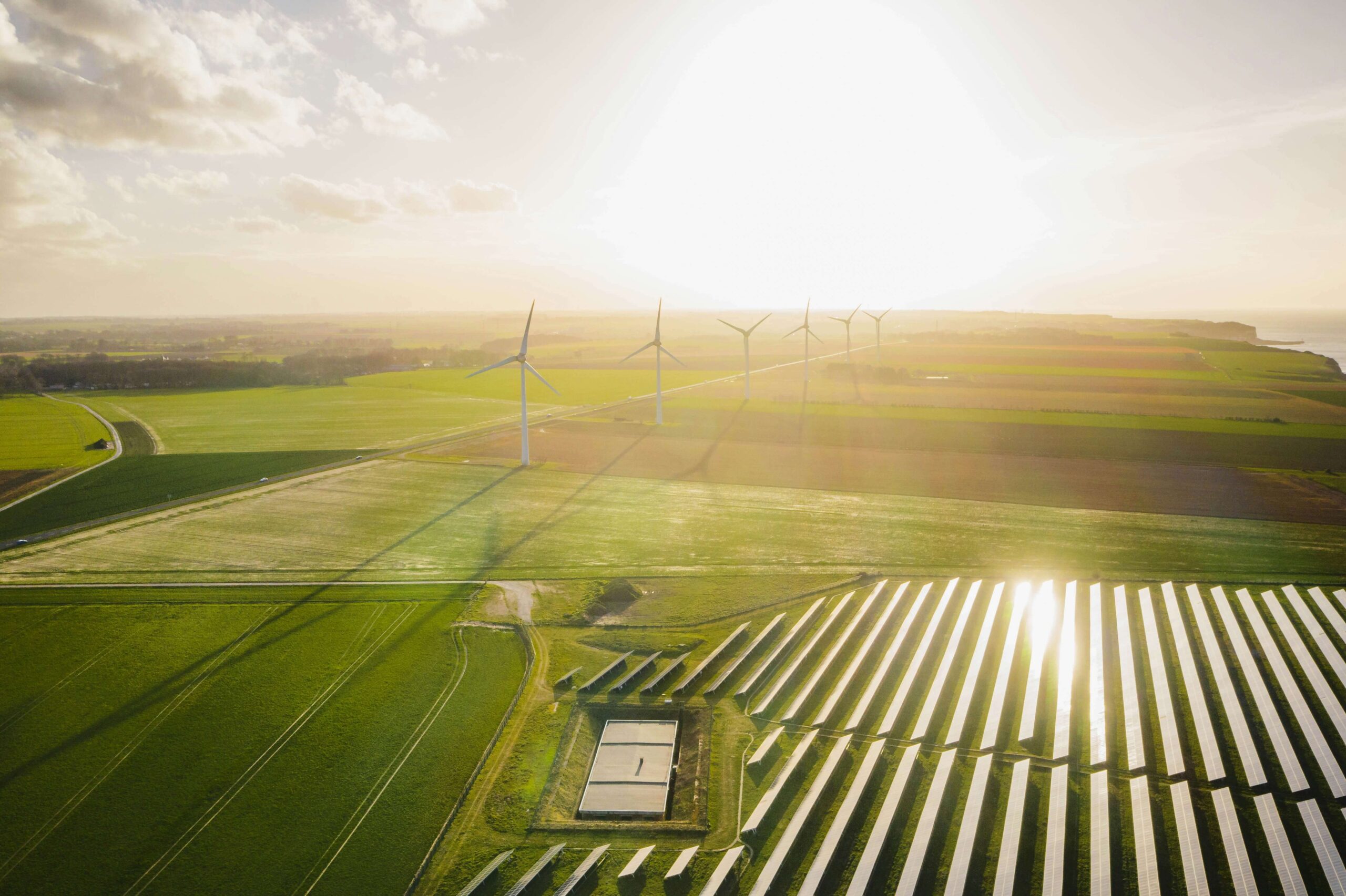
From a technical point of view, there is the potential for solar energy in the Middle East to be developed. Syria has a long, warm climate and a high degree of solar radiation that is spread evenly across its geographies. For the majority of the year, solar energy levels are high enough to allow for the implementation of photovoltaic (PV) systems to be activated and utilized all year long.
What is The Current Energy Landscape in Syria?
Syria has faced many years of conflict and sanctions which has broken down the energy systems in place. The current state of electricity generation in Syria is constrained by several factors such as damaged infrastructure, lack of funding in rebuilding and much more:
- A lack of available fuel for thermal power plants
- Transmission networks and power stations that have sustained damage
- Public grid operating hours that are very limited
- High costs of diesel for private generators
Household and Small Business Viability
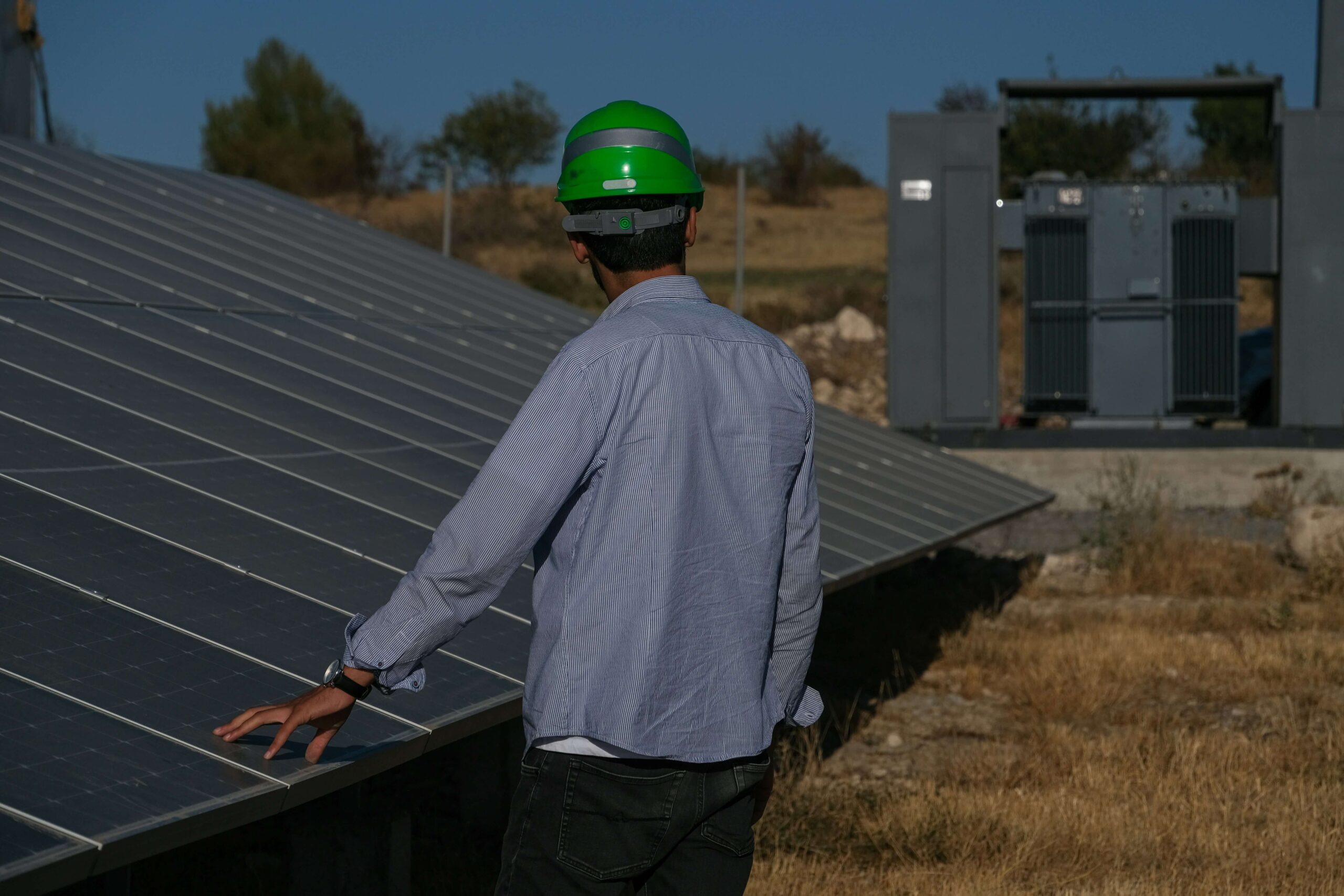
In many cases, solar power for households and small businesses has proven economically viable. The initial costs are high, but savings during use on generators can offset the expenses of the installation in a few years. After this period, electricity is produced at very low costs.
Utility Scale Solar Projects
Utility scale solar power still has potential economic benefits such as reduced fuel imports and lower operational costs, but is constrained by the economics of the respective region, the damaged state of the region’s transmission networks, and the financing and investment risks. Large scale solar projects can still be economically beneficial, but only if the region receives a large amount of external investment and commitment to reconstructing infrastructure.
Policy and Economic Barriers
Negative policies, lack of financing, and poor currency control directly impact the economic potential of a country. For instance, poor financing, limited credits, and high import costs all result in projects becoming more expensive, while the absence of policies to support the projects slow down the return on investment and increase the cost of solar energy.
Economically Valuable Solar Projects
Providing solar energy helps to reduce energy insecurity, pollution, and health costs related to pollution. For a country like Syria that is in its early stages of recovering from conflict, it can also create job opportunities with the installation and maintenance of solar energy systems. These benefits all help to improve economic resilience.