After a long period of conflict and economic isolation, Syria is beginning to develop a solar energy sector. Although Syria’s solar energy deployment levels are lower than global leaders, recent changes are more favorable.
This article analyzes Syria’s current situation and energy challenges while also weighing the potential risks and opportunities for investors in the solar sector.
Syria’s Post-Conflict Reconstruction
More than a decade of devastating war has brought Syria to the start of a long post-conflict reconstruction period. The war has caused massive infrastructure destruction, displacement, and economic contraction, leading to the collapse of public services. Reconstruction and the rebuilding of state apparatuses are the current top priorities.
International Relations
The easing of sanctions and the reopening of the economy have created the first genuine opportunities for trade and investment. This has attracted foreign interest for construction in the country’s energy infrastructure.
What of Syria’s Energy Situation?
Deteriorated Energy Infrastructure
The decades-long energy crisis in Syria has been worsened by the destruction of a large part of the country’s energy infrastructure. The output of the country’s energy infrastructure is far below the national demand. Syria is still in the midst of the energy crisis.
Dependable Electricity Supply is Problematic in Several Regions
Due to the unreliable supply of electricity over the grid and in varying amounts throughout the country, a large number of businesses and homes use backup generators or small solar systems.
Structural Constraints of Fuel
A combination of diminished domestic fuel production and a lack of financing for fuel imports have historically limited energy generation. These constraints have increased the demand for renewable alternatives.
Development of Solar Energy in Syria
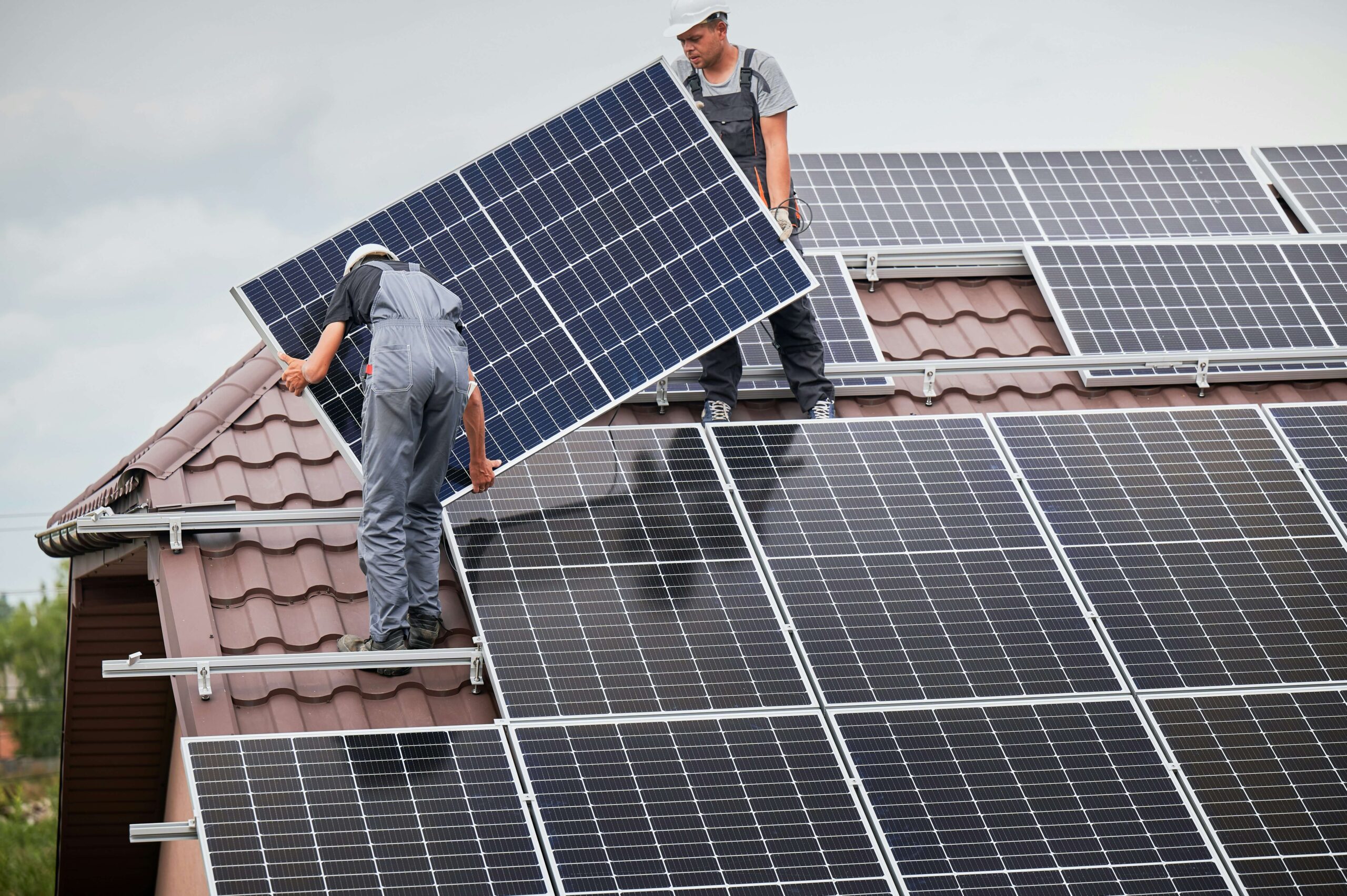
The deployment of solar systems has, up to now, remained mostly small and decentralized. This has been due to a lack of targeted policy, and most developments were done by the private sector. Rooftop systems and private installations have filled gaps left by the unreliability of the supply from the energy grids.
Emerging Large Scale Developments
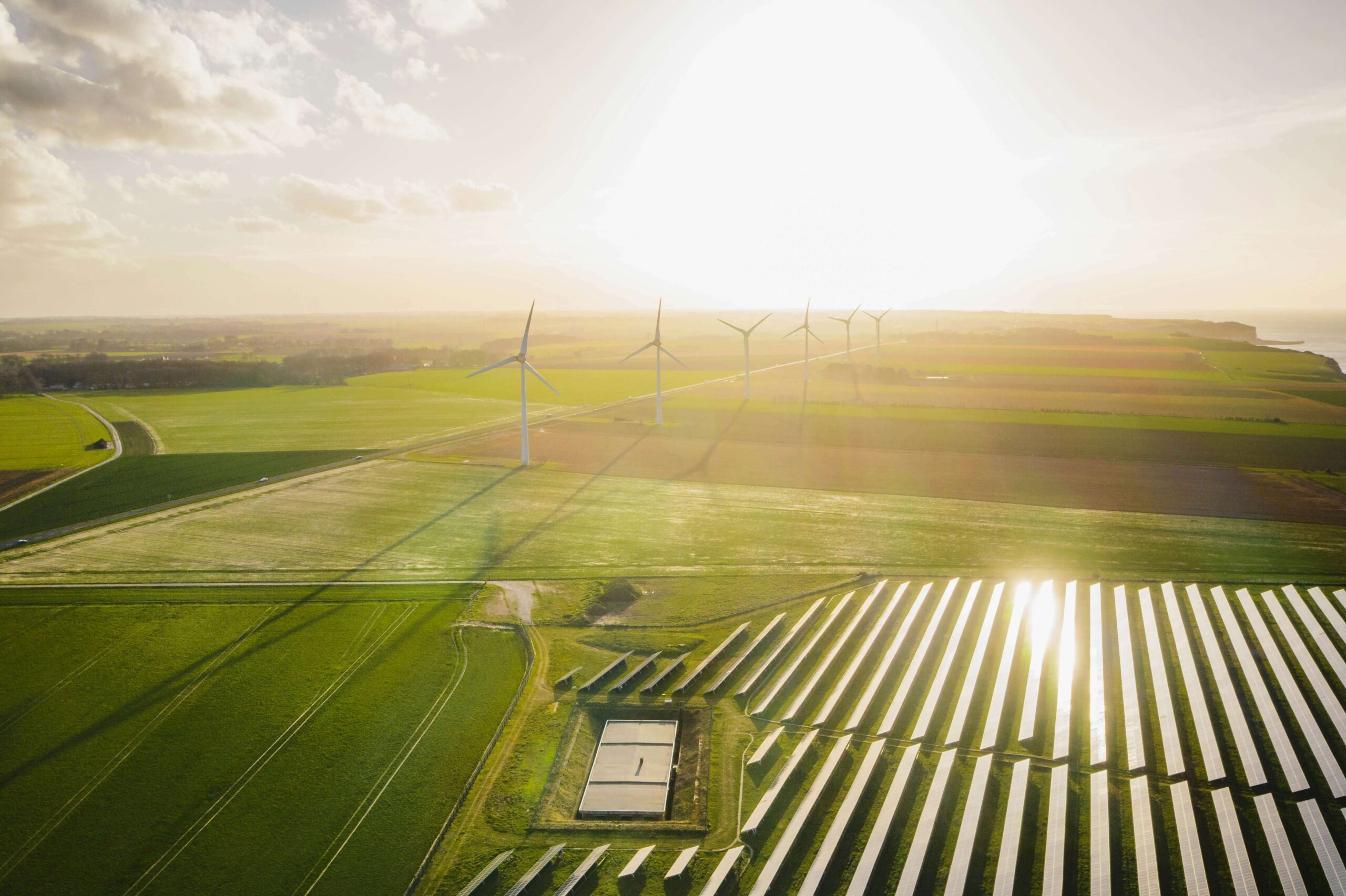
With the recent increase in international financing and private sector investments in post-war reconstruction, initial planning and investments for large scale utility projects have been initiated. These projects are the first signs of an organized approach to renewables.
Reasons the Sanctions Being Lifted are Important
Access to Improved Financing
The lifting of sanctions has made financing for projects more feasible.
Flow of Technology and Equipment
Previous restrictions on the import of energy equipment have been lifted, thereby increasing access to solar energy technology and knowledge.
Job Creation and Economic Stimulation
The construction of energy projects will lead to job creation and construction stimulation as well as support economic revitalization.
Investor Confidence
Changes in policy are interpreted as a willingness to collaborate with foreign partners, which sways multinational firms toward investing in the energy reconstruction efforts.
Developing Solar in Syria – Considerations for Investors
There are plenty of opportunities for investors looking to invest in solar projects in Syria, from unmet demand to immediate market needs:
Unmet demand: The strong demand for generation capacity due to prolonged energy shortages results in an
Immediate market needs: The demand is strong due to the prolonged energy shortage.
Advantage in positioning as regulations develop: The market will provide opportunities for subsequent positioning.
Strategic partnerships: Collaborative initiatives with local reconstruction authorities will ease the implementation of the projects.