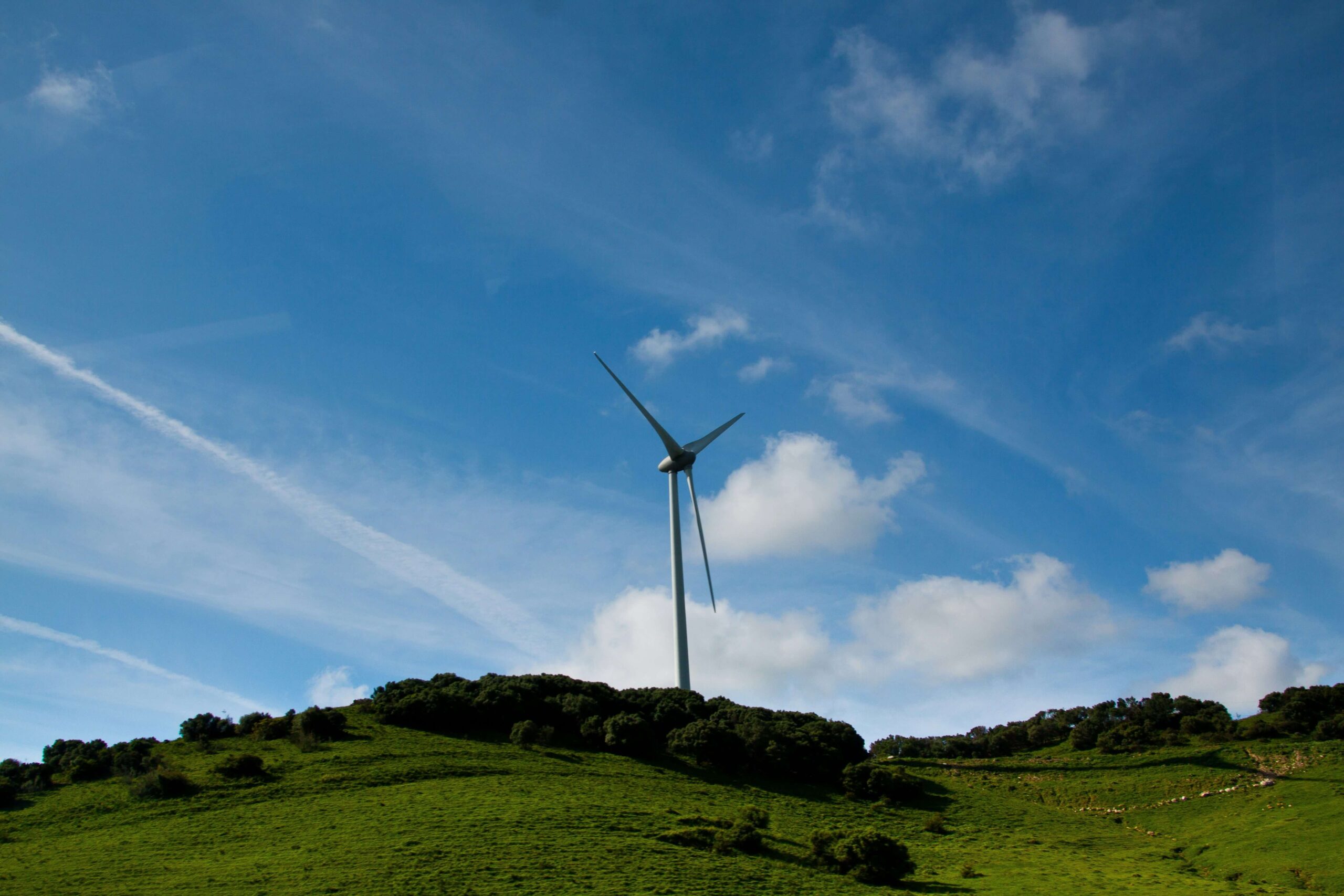
To address the growing need for clean and sustainable power worldwide, many countries are considering harnessing renewables to resolve primary energy deficits as well as promote domestic economy.
What Are Renewable Energy Sources Used in Syria?
Due to its sunny climate and open terrain, Syria has vast resources for solar and wind energy. In the country, particularly in rural areas lacking reliable electricity grid access, solar powered installations have begun to emerge. However, the use of renewable energy is still in its initial stages, remaining decentralised and particularly untouched by the government, resulting in predominantly privately financed projects.
What is the Energy Crisis In Syria?
Due to the ongoing war, the electricity supply structures in Syria have been shattered, which in turn has caused disarray in the electrical grid. The extreme lack of fuel, alongside international restrictions and the damage to oil and gas facilities, have all contributed to a failing electrical supply. Some regions of the country might only see a couple of hours of electricity per day, making it a crucial sector for investment.
Where Does Syria Get Its Electricity From?
Traditionally, Syria produced electricity from oil and natural gas. However, this production was drastically decreased due to warfare and international restriction. Currently, fuel and a certain amount of electricity is imported from allied countries such as Iran. Within the country, the use of renewable resources is fairly low.
Can Syria Compete in the Renewable Energy Export Market?
From a theoretical perspective, the amount of the renewable energies that Syria possesses is significant, but in order to participate in the export market, Syria will have to deal with a lack of infrastructure, instability and need of international cooperation. This problem requires modern infrastructure, political stability, and international partnerships, which remains highly problematic.
Challenges to Exporting Renewable Energy
Syria is faced with multiple challenges when exporting renewable energy, from damaged and insufficient infrastructure from years of conflict to a lack of financing in the sector:
Damaged Infrastructure
The construction of power plants and transmission lines in Syria is greatly lagging. The surplus electricity which is produced and that is ready to be exported requires large amounts of investment, however, years of conflict have severely damaged Syrian infrastructure. As a result, investment towards economic production has slowed.
Lack of Financing
The economic strain which Syria is under limits the financing that will be available for investment. It is important to note that the World Bank has granted $146 million (USD) towards the Syria Electricity Emergency Project, aiming to improve the energy sector.
Regional Competition
In Syria, investment in renewables is less available in comparison with bordering countries such as Jordan, Egypt, and Turkey. These countries have gone ahead with renewable energy projects and are more prepared to export it.
Prospects for Expanding Domestically
Although the prospects for substantial exports may remain distant for some time, renewables take centre stage as a means to solve Syria’s domestic energy crisis. Distributed solar energy systems offer off-grid energy supply solutions to communities, thereby substituting imported fuels. Furthermore, employment opportunities will be generated, the reliability of energy supply for critical services will be improved, and a foundation for future export ambitions will be set.