As Syria gets ready for a time of stability and rebuilding, the agricultural sector offers a unique and high-risk opportunity for investors from around the world and the region.
This is not a normal place to invest. It takes a lot of knowledge about how things work in the area, patience and a long-term plan. But for those who are willing to deal with the difficulties, the chance to help bring back to life one of the Middle East’s most naturally fertile farming areas and make money from it is very appealing.
Here is a fair look at the big chances and risks that come with putting money into Syrian farmland right now.
The Great Opportunities
The agricultural sector has a number of unique benefits that make it a good place for early investors to put their money.
Undervalued Assets and Acquisition Potential
Asset values have changed a lot because of long periods of unrest and displacement that have happened recently. Land that used to be worth the most on the market is now available for much less. This is a classic “buy low” situation for investors who have money to spend and are willing to commit for the long term. There is a lot of room for growth in the future, thanks to stability and the rebuilding of infrastructure. Once large-scale reconstruction starts, this window of undervaluation is unlikely to last.
Geographical Advantage for Strategy
Syria’s different climate zones and unique location make it possible to grow a wide range of crops that are hard to find in other parts of the region:
- Growing a variety of crops: The land can grow a wide range of profitable crops, from the high-value olive groves and fruit orchards along the coast to the wide grain plains. These crops can meet both domestic and export needs.
- Getting to Markets: Syria is in a good place to be a major trade hub because it is next to important markets in Iraq, Turkey and the Levant. Investing in logistics and modern farming methods can quickly put the sector back in its historical role as a regional food supplier.
Untapped Demand and Domestic Need
Years of problems have made it much harder to grow food at home, so we have to rely on imports and the demand for basic goods has gone up. Any successful investment in local production will find a domestic market that is ready, willing and often subsidised. In addition, worries about global food security mean that any country that can consistently produce agricultural surpluses will be able to charge higher prices and be strategically important in the decades to come.
Human Capital Readiness
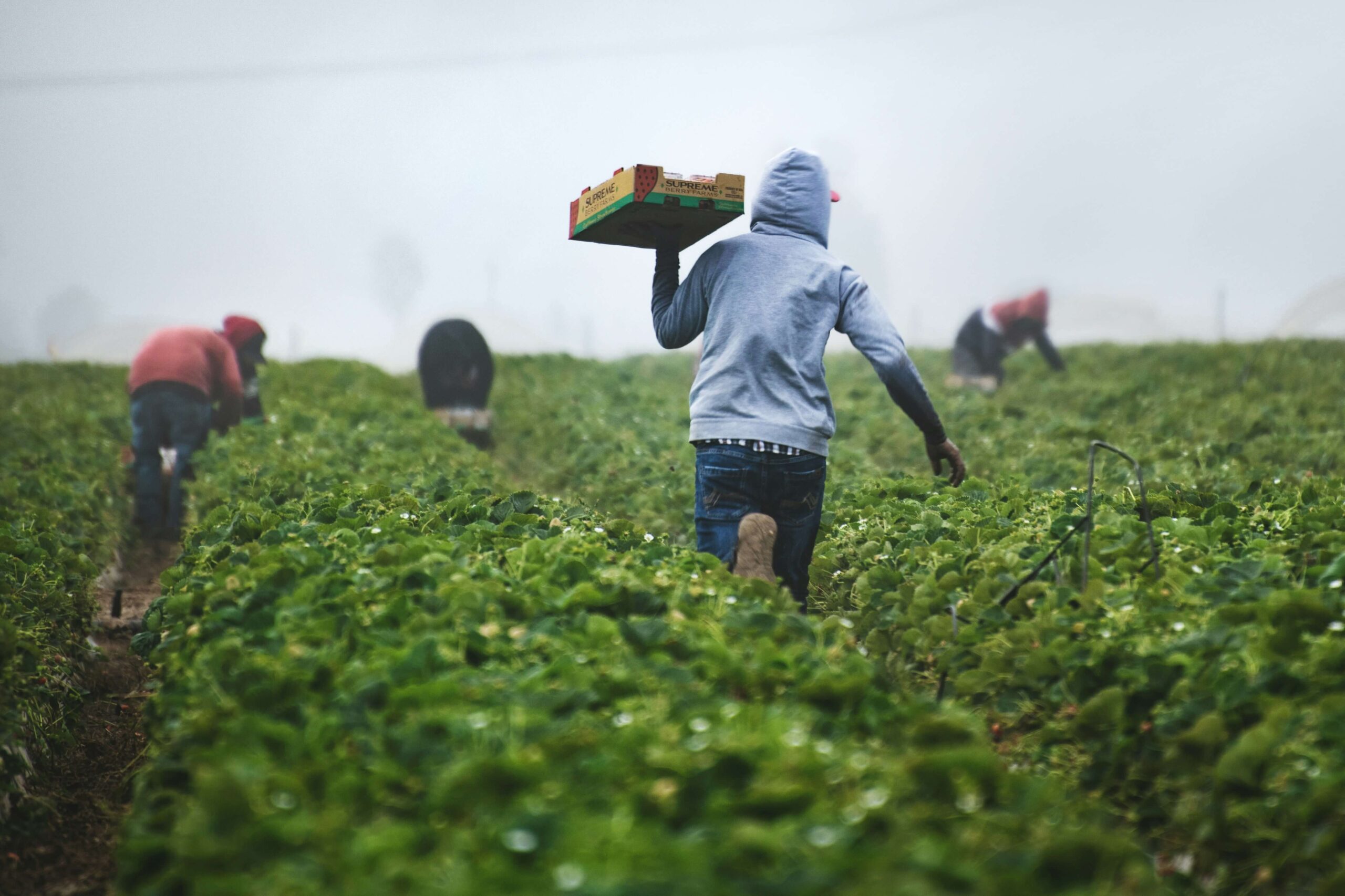
Even though there are problems inside the country, the people of Syria are still very good at farming and managing farms. Investing now gives you the chance to hire a local workforce that is highly skilled and available and that is often eager for stable work and the chance to improve their communities and ancestral lands. Combining foreign money and technology with local knowledge and labour is the quickest way to get high returns.
The Risks That Come With It: Finding Your Way Through the Difficulties
Investors must carefully manage the high potential returns that come with big, complicated risks. This is not an investment that you can just sit back and watch.
How to Handle Land Ownership and Tenure Disputes
This is probably the hardest legal and financial problem. Years of people moving around inside the country and changes in local control have made land registry records more complicated. Investors need to do a lot of research to make sure that the title and ownership are clear. Some common problems are:
- Not having the right paperwork: Records could be lost, broken or not complete.
- Displaced Owners: The original legal owners may have to leave and can’t contest sales right now, but they could come back later, which could lead to long legal battles.
- Informal Tenure: The state may own the land legally, but local families may manage it under informal agreements that a central authority may not recognise.
To make sure that any acquisition is ironclad and follows changing property laws, a successful approach needs careful legal advice from someone who knows the area well.
Problems With Infrastructure
The physical infrastructure that supports farming has been badly damaged. Investors should expect to spend a lot of money up front, in addition to the cost of buying the land, on basic needs:
- Water and Irrigation: Important irrigation channels, pumping stations and reservoirs might be broken or depend on old, inefficient systems. Modern, water-saving irrigation technology must be part of the investment.
- Storage and transportation: Roads, refrigeration units and grain silos may fall apart, which can cause a lot of losses after harvest and make transportation more expensive.
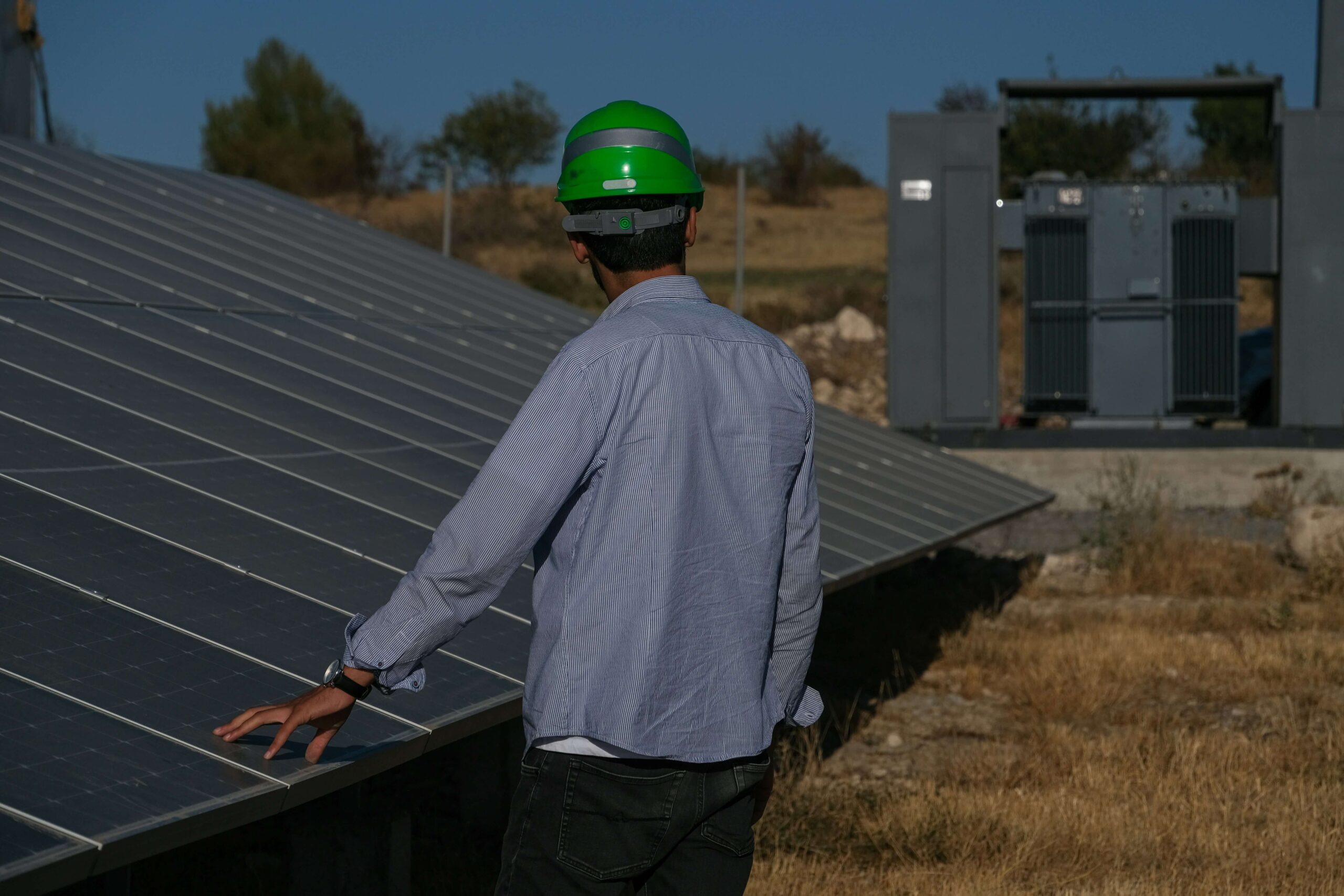
- Energy Supply: Relying on the national electrical grid can be very unstable. To keep things running smoothly, you’ll need to spend money on dedicated, possibly off-grid power sources like solar panels or generators.
Currency Fluctuations and Financial Controls
The national currency has been very unstable at times, which is a big risk for the value of returns. Foreign investors also have to deal with complicated and often strict banking rules and controls on moving money and bringing profits back home. A good investment plan must include advanced financial hedging tools and clear exit plans that take these currency and regulatory problems into account.
Unpredictability in Operations and Security
Even though things are getting better, pockets of instability in some areas can still hurt farming. Security concerns go beyond just physical danger to include:
- Supply Chain Disruption: Localised incidents that happen without warning can stop the flow of inputs (like seeds and fertiliser) or the movement of harvested goods to market.
- Changing Rules: The rules are always changing and new tariffs, subsidies and export rules could be added at any time.
The Long View: A Long-Term Commitment
Putting money into Syrian farmland is not a quick flip. It is a planned, strategic commitment to a region that is ready for a big economic recovery. The reward is a chance to get very fertile assets at their lowest levels in generations while also helping to ensure food security. There are a lot of risks, mostly because of the need for clear legal language and repairs to infrastructure.
Investors who come into this field with strong local partnerships, complete legal paperwork and the ability to pay for the infrastructure upgrades needed to turn neglected fields back into productive, profitable lands will define success in this field.