Syria is at a crucial point in its economy that could change its course for the next few decades. The country is looking for a way to achieve long-term growth after years of economic stagnation, problems with infrastructure and industries that have been disrupted. Foreign investment is one of the best ways to help a country recover and modernise in the long term. Foreign capital could provide the funding, technology and expertise needed to rebuild essential infrastructure, revitalise key sectors and create jobs across the nation if there were the right framework of openness, incentives and partnerships with other countries.
The Role of Foreign Investment in Economic Renewal
Foreign investment is important for national renewal because it brings both money and ideas into important industries. It’s not just about money; it’s also about sharing knowledge, updating technology and building industries that can compete on a global scale. There are many areas in which Syria could change, such as energy, manufacturing, agriculture, transportation, telecommunications and real estate. All of these areas have untapped potential that could benefit the economy in many ways.
Well-organised foreign investment can also help a country gain credibility on the world stage. When foreign companies agree to long-term projects, it shows that they believe in the country’s economic potential. This, in turn, draws in more money from both regional and global markets. To go from growth that is broken up into small parts to growth that is integrated and long-lasting at the national level, we need to build this kind of confidence.
Creating a Conducive Investment Environment
Syria must keep making its business climate better if foreign investment is going to really speed up the country’s rebuilding. This means making property rights stronger, making sure the law is clear, making it easier to invest and making sure that rules are clear.
Setting up investment promotion agencies that work directly with international partners could help speed up the licensing process, cut down on red tape and make sure that foreign businesses are treated fairly. Also, giving investors tax breaks, customs breaks, and guarantees of repatriation can make them even more confident.
Investors would also feel better about their money if the financial system were stable and clear rules were in place for exchanging money between countries.
How Can Foreign Investment Help With Reconstruction in Syria?
Syria has everything it needs to become a thriving regional economy again: a good location, lots of natural resources and a young population.
Syria can speed up its rebuilding, diversify its economy and set the stage for inclusive and sustainable growth by aligning its national goals with international capital and expertise. To build a stronger, more resilient future, we need to work together, where our ideas meet global opportunities.
Infrastructure: The Foundation for Growth
Without modern, dependable infrastructure, reconstruction that lasts is impossible. Every growing economy needs roads, bridges, power grids, water systems and digital networks to work. But these areas need a lot of money, which is often more than what domestic budgets can handle.
Foreign investors, especially through public-private partnerships (PPPs), might be able to help fill this gap. For example, long-term concession agreements could let multinational engineering companies work together to build transport networks or renewable energy facilities. Foreign utility companies could also work with local governments to improve water and electricity systems through service contracts backed by investments.
These kinds of partnerships have two benefits: they improve public services for local communities, and investors get steady returns from important infrastructure. PPPs have worked well in many emerging markets when they are properly regulated. They could be the engine of Syria’s physical and economic renewal.
Energy and Renewables: Investing in Sustainability
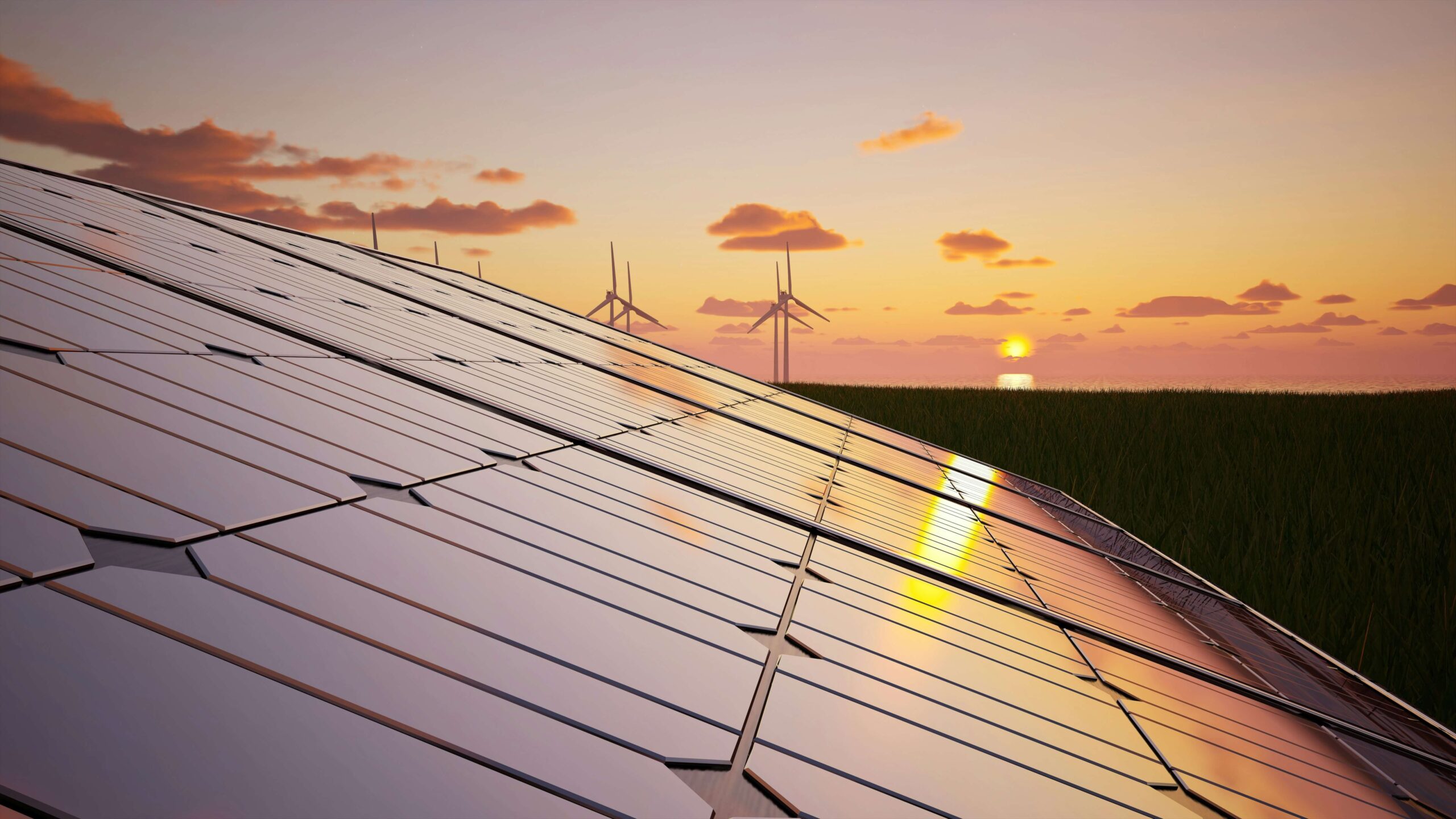
Energy is one of the areas that is most likely to attract foreign investment. The country has a lot of solar and wind resources, which makes it a great place for renewable energy projects. Syria could become a clean energy exporter to the rest of the region in the future if it invests in solar farms, wind parks and modern grid systems. These would help meet the country’s growing energy needs.
Foreign investors can help a lot by bringing in the latest renewable technologies, funding big projects and setting up training programs for local engineers. A growing renewable energy sector could help us rely less on imported fuels, create thousands of jobs and build a more sustainable, eco-friendly energy base.
Also, renewable investments often attract international development finance institutions that care about making the world greener. These partnerships can provide concessional loans, guarantees and grants, which lower the risk of investing and encourage energy independence.
Manufacturing and Industrial Revitalisation
For self-sufficiency and job creation, a dynamic industrial base is necessary. Foreign investment could bring manufacturing back to life by creating special economic zones (SEZs), which are areas that offer tax breaks, simpler rules and better transportation to attract industries that want to export.
These areas could be home to industries like textiles, food processing, pharmaceuticals and building materials, all of which fit with the area’s strengths and market needs. Investors from the Gulf, Europe and Asia are becoming more interested in partnerships that can take advantage of Syria’s strategic location as a trade bridge between Europe, North Africa and the Middle East.
Foreign companies can also help develop the workforce and transfer technology by forming joint ventures with local partners. This way, domestic industries can benefit from global expertise instead of being overshadowed by it.
Technology, Telecommunications and the Digital Economy
Digital transformation is now a key factor in how competitive countries are with each other. Improving Syria’s digital infrastructure, such as broadband access and digital payment systems, could make both the public and private sectors much more efficient and open.
Foreign money in telecommunications and digital services could lead to a big jump in technology, making online banking, e-commerce and e-government services possible. Additionally, technology hubs backed by international partners could help train a new generation of Syrian entrepreneurs in software, fintech and digital marketing.
This digital upgrade would not only bring in foreign investors, but it would also help small and medium-sized businesses (SMEs) in the area by giving them the tools they need to reach regional and international markets.
Agriculture and Sustainable Food Systems
For a long time, agriculture has been an important part of Syria’s economy. With modernisation, it could become a driver of export growth again. Foreign investors can bring in new farming technologies that are good for the environment, modern irrigation systems and better ways to manage the supply chain to help crops grow and cut down on waste.
Partnerships with international agribusiness firms can also unlock new export markets for local products like olive oil, wheat, fruits and vegetables. These partnerships can greatly increase rural incomes and make the country safer by linking small farmers to global distribution networks.
Human Capital: The Heart of Long-Term Development
Foreign investment works best when there are a lot of skilled workers. Investment plans should include education and vocational training programs, especially in engineering, renewable energy, digital technology and business management.
Universities, research institutions and private investors can work together across borders to create an environment where new ideas can grow. Syria can make sure that foreign money leads to long-term local ownership of knowledge and skills by putting as much money into people as into projects.