Countries around the world have been looking for sustainable, cost-effective alternatives to fossil fuels in recent years, and renewable energy has become the main focus. Solar power is one of these renewables that stands out because it can be used in many different ways, can be scaled up and has the potential to provide decentralised electricity, especially in areas with a lot of sunlight.
Syria is a good place for solar energy development because it is in the middle of the Middle East and gets a lot of sunlight. Looking at how Syria’s solar industry has grown shows a story of chances taken and problems that still need to be solved.
The Solar Potential in Syria
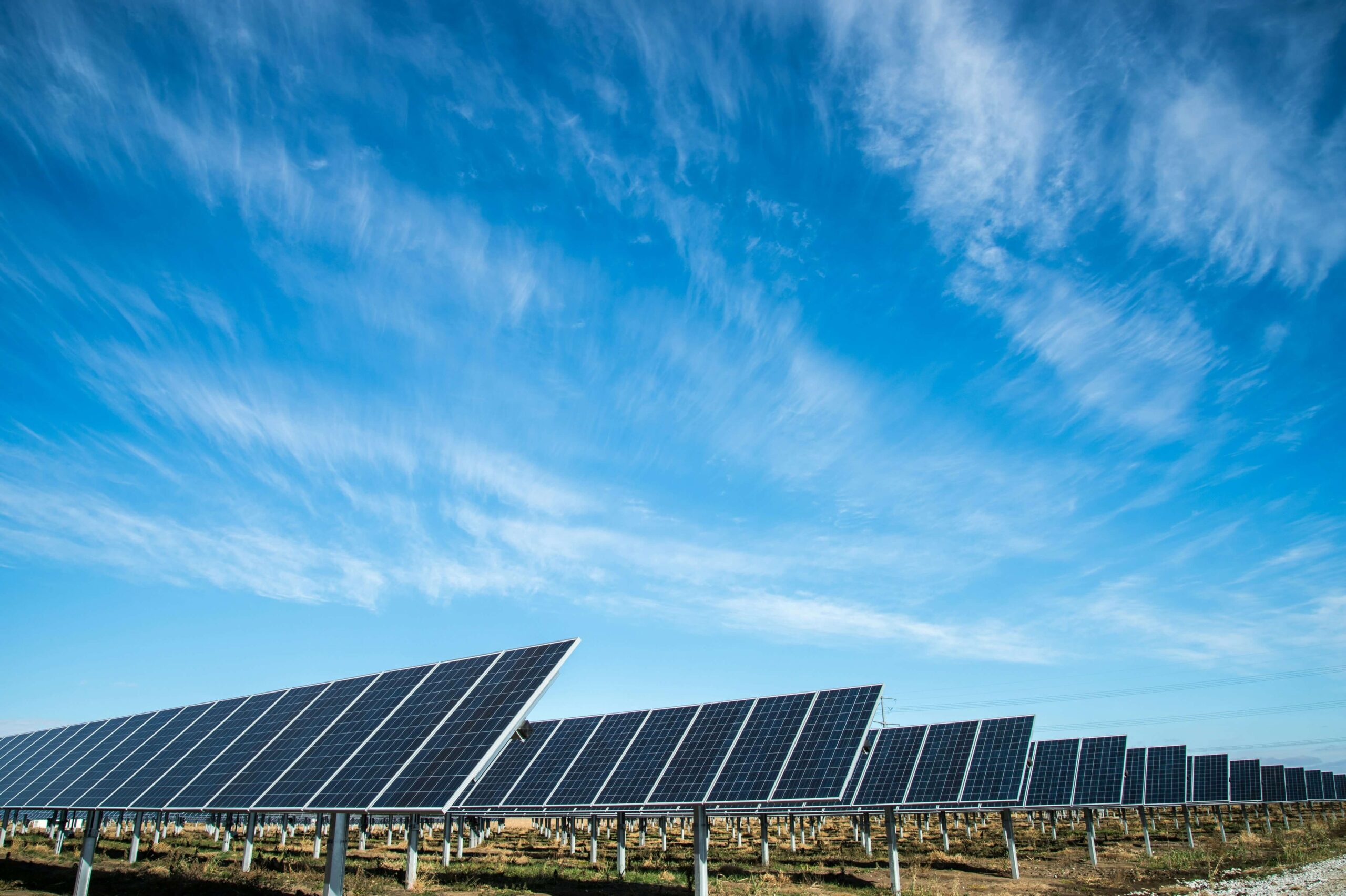
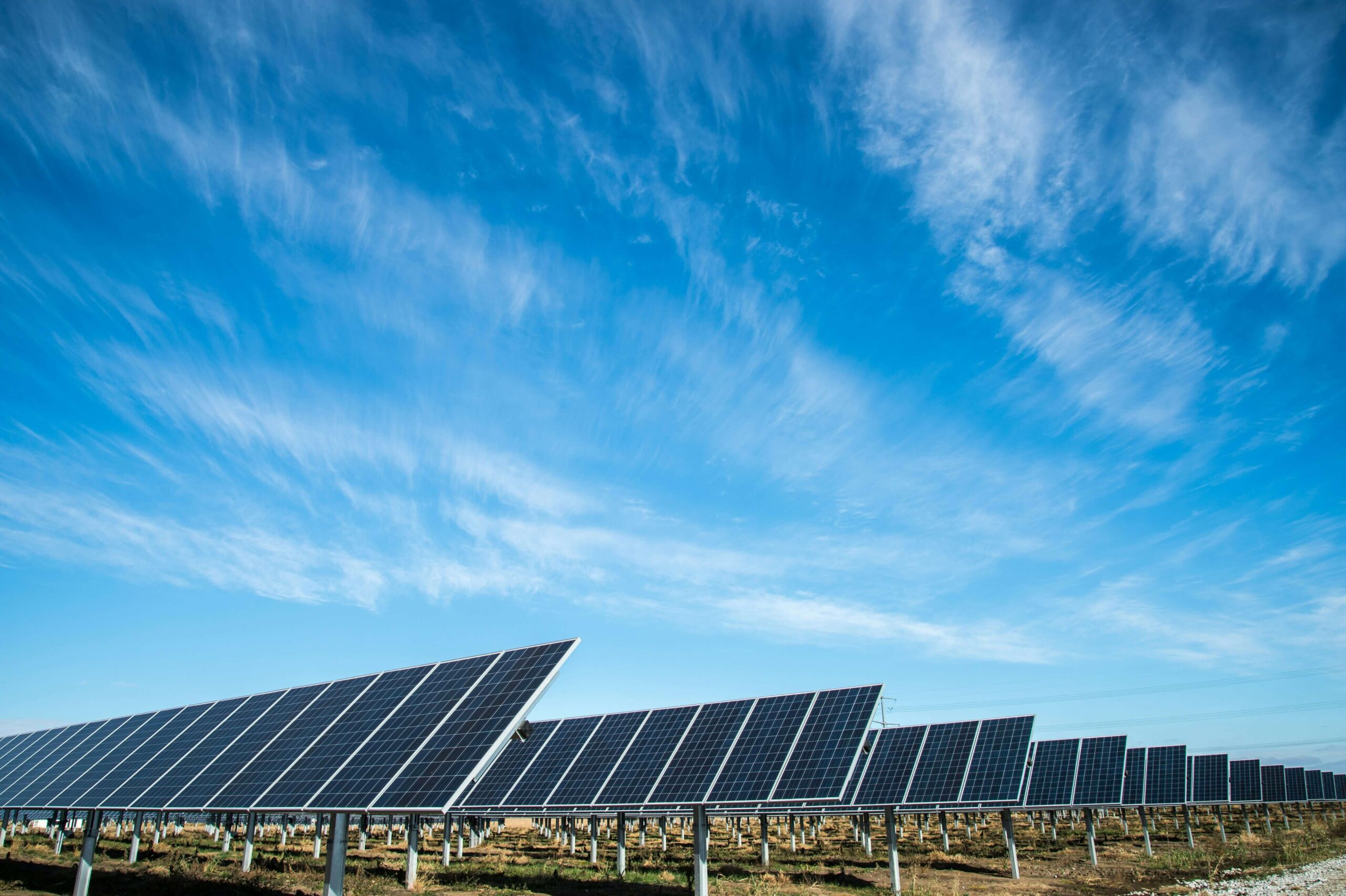
The sun shines a lot in Syria all year round. The country’s location gives it solar irradiance levels of about 5.0 to 7.0 kWh/m² per day, which is better than many other countries that are making progress in solar deployment. Because there is so much solar energy available, photovoltaic (PV) systems can work well, which makes solar energy cost-effective. Solar systems have the raw materials they need to make a lot of energy, whether they are on rooftops in cities or in larger ground installations in the desert and rural areas.
Distributed Solar and Early Adoption
In the past, Syria’s energy sector depended a lot on centralised generation and fossil fuels. But because the demand for electricity has been rising over the past ten years, there has been a slow move towards using more than one type of energy source, such as small-scale solar projects. A lot of homeowners and businesses started putting in solar PV systems to lower their energy costs and reliance on the grid. These distributed systems can be as small as rooftop arrays or as big as off-grid solutions that power farms, businesses and schools.
This early use has made it easier for more people to accept solar. As more property owners become interested in solar power, companies that design, sell and install solar systems have opened up in cities. Training and building capacity for installation and maintenance have also gotten better, though only a little, which is a good place to start for future growth.
Solar Projects on a Large Scale
In addition to residential and commercial use, Syria has looked into utility-scale solar projects. Government plans and ideas from the private sector have looked at building big solar parks that could connect directly to the national grid and take advantage of economies of scale. The goal of these large-scale installations is to use the country’s many sunny areas, especially in the east and south.
Some groups have done feasibility studies and made plans for solar parks that can hold tens of megawatts of power. These initiatives indicate a vision for solar to significantly contribute to national energy production rather than merely addressing localised off-grid requirements.
Policy and Regulatory Framework
Clear rules and incentives are a key part of the growth of the solar industry. The government in Syria has recognised renewable energy as a strategic goal because it will help the country in the long run by diversifying the energy mix and cutting down on fuel imports. National plans have set goals for renewable energy, and rules are starting to change to make it easier for independent power producers and private investors to get involved.
But work is still going on to put solar policy into action. There are already rules in place that let people build their own solar projects, but more incentives, like tax breaks, feed-in tariffs and easier permitting, would speed up growth. More clear rules for connecting solar power to the grid and for paying for it would also get more private companies involved.
Problems with Scaling Up
Even though the groundwork was good, there have been some problems that have slowed down the rapid development. Money is still a big problem. Solar projects, especially those that are large enough to be used by utilities, need a lot of money up front. Without strong ways to get money or well-organised partnerships between the public and private sectors, many possible projects are still on the drawing board.
Another problem is technical capacity. Installation skills for smaller systems have gotten better, but building and running big solar plants requires advanced engineering, project management and operations knowledge. Building this human capital will be important for the long-term growth of the industry.
The grid infrastructure is also important. To use a lot of renewable energy, the grid needs to be able to handle changing power generation, balance loads, and manage storage systems when they are needed. As solar capacity grows, it will be important to put money into upgrading the grid and adding smart grid technologies.
New Opportunities
There are many opportunities, even with these problems. Interest from other countries in the Middle East’s growth of renewable energy has grown, which could lead to new partnerships, technology sharing and investment. Trends around the world towards reducing carbon emissions and climate finance mechanisms could give Syrian solar projects money and knowledge.
Local businesses that provide solar services, like microfinance for rooftop systems and new pay-as-you-go solar solutions, also show that there is a strong domestic market that is ready to grow. The business case for solar adoption gets even stronger with the arrival of international solar technology suppliers and the availability of more efficient, cost-competitive PV panels.
Looking Ahead
The solar industry in Syria is at a very important point in its growth. The country has a lot of room for growth in renewable energy because it has a lot of solar resources, a growing need for energy and more experience with distributed solar installations.
To reach this potential, we need to strengthen policies that support it, open up more ways to get funding, improve technical skills and update infrastructure. Solar power could play a big role in the country’s energy future if people keep working hard and making smart investments.