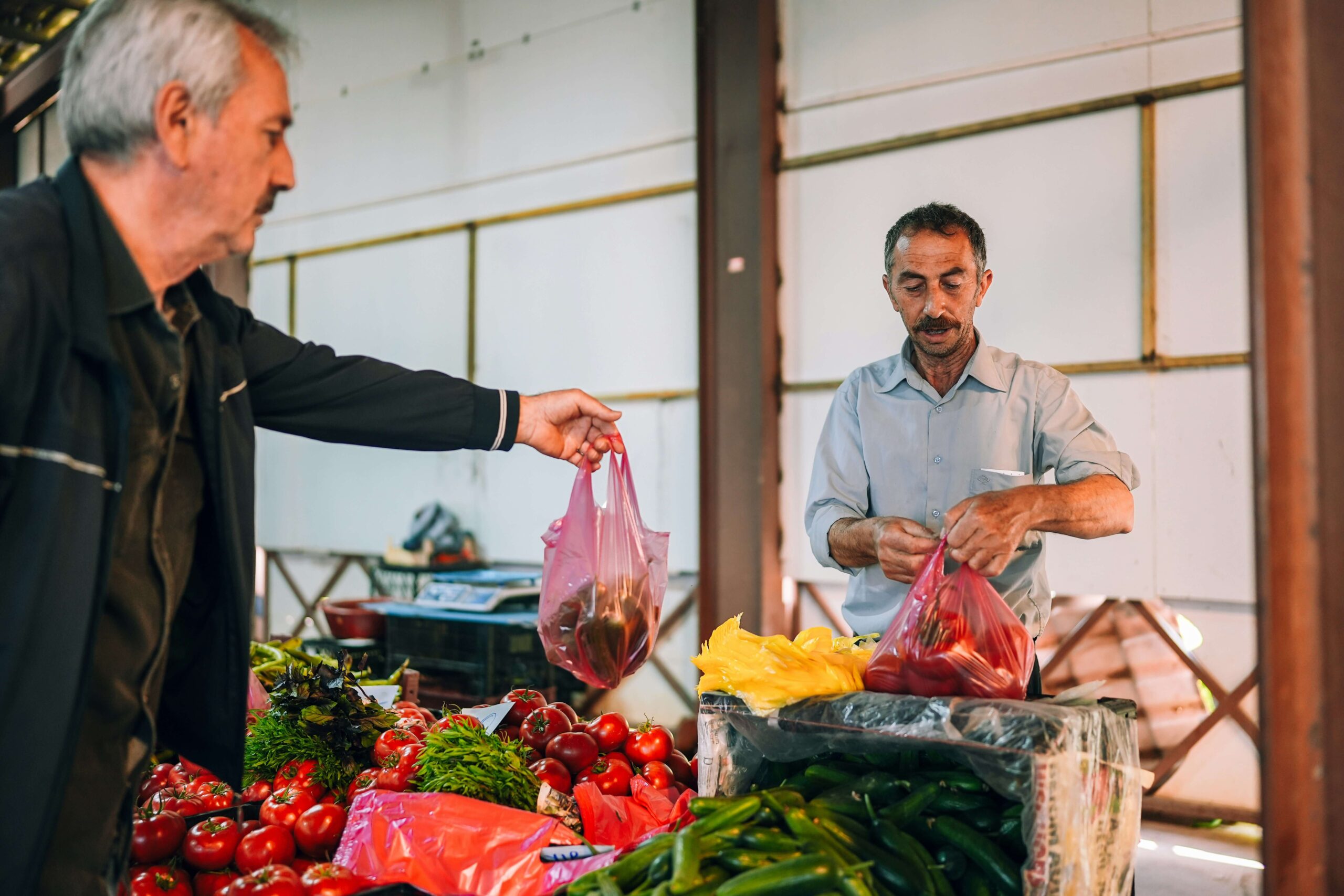
In recent years, Syria’s economy has begun showing early signs of recovery after a long period of disruption. Despite continued challenges such as sanctions and infrastructure damage, small businesses are gradually reshaping the country’s economic landscape. Entrepreneurs are stepping into critical sectors, creating jobs, and addressing gaps in production, trade, and essential services.
Why Are Small Businesses Gaining Importance in Syria?
Small businesses play an essential role in Syria’s recovery because they create jobs, support local communities, and help restore domestic production. They are flexible enough to respond to changing market needs and can operate efficiently with fewer resources.
The government’s investment programmes and efforts to simplify business registration are also encouraging entrepreneurship. Tax exemptions under Investment Law No 18 have made it easier for both local and foreign investors to start small enterprises in key industries.
What Challenges Should Entrepreneurs Expect When Starting a Business in Syria?
Starting a business in Syria still requires careful planning. Political uncertainty, complex import regulations, and inconsistent infrastructure can create obstacles. Entrepreneurs must also remain aware of changing tax policies and legal requirements.
However, those who plan strategically, build local partnerships, and understand the market landscape are more likely to succeed. Patience and adaptability remain key for operating in a developing economy.
What Are the Most Profitable Small Business Opportunities in Syria?
As Syria continues its gradual economic recovery, small businesses are becoming key drivers of growth across the country. After more than a decade of conflict, the economy is showing early signs of stabilisation.
Improved access to local resources, targeted government investment programmes, and a highly motivated young workforce are fuelling this shift. Across both cities and rural areas, small businesses are stepping in to rebuild what was lost. They are restarting local production, reconnecting supply chains, and finding new, practical ways to meet people’s everyday needs.
Today, the most profitable opportunities lie in sectors connected to reconstruction, sustainability, and technology. These industries are not only generating income and employment but also laying the groundwork for Syria’s long-term economic renewal.
Which Sectors Hold the Most Profit Potential?
Despite the remaining challenges, several industries in Syria offer real potential for profitability. These sectors are closely tied to reconstruction needs and changing consumer behaviour.
Construction and Real Estate Development
The construction industry is central to Syria’s rebuilding process. The demand for homes, schools, and public buildings has created significant opportunities for small contractors, suppliers, and property developers.
Businesses that provide materials such as cement, tiles, or electrical equipment are in high demand. There is also growing interest in affordable housing projects and rental property development. As infrastructure and cities are rebuilt, construction will remain one of the most profitable sectors for small and medium enterprises.
Agriculture and Agro-Processing
Agriculture remains a cornerstone of Syria’s economy and continues to provide strong opportunities for business. The country’s fertile soil and favourable climate support a wide variety of crops, making it ideal for ventures in organic farming, greenhouse production, and agro-processing. Agro-processing refers to transforming raw agricultural products into finished or semi-finished goods such as olive oil, cheese, flour, or dried fruit. This process adds value, extends shelf life, and creates jobs, linking farming activities directly to trade and export markets.
Entrepreneurs are finding success by producing and exporting items such as olive oil, honey, and dried fruit. With both domestic and international demand rising, agricultural enterprises are among the most stable and profitable in Syria today.
Textile and Light Manufacturing
Syria’s textile and manufacturing industries are gradually recovering, driven by skilled labour and a history of craftsmanship. Small factories and workshops are reopening to produce garments, fabrics, and household goods for local and export markets.
This sector benefits from low operating costs and access to traditional materials. Entrepreneurs who can combine modern manufacturing techniques with local expertise are well positioned to gain consistent profits.
Information Technology and Digital Services
Technology is becoming one of the most promising sectors for growth in Syria. As internet access improves and more businesses move online, the demand for digital services continues to rise.
Small business owners can explore opportunities in software development, web design, e-commerce, and digital marketing. Many young Syrians are entering this field, offering a talented workforce eager to build a modern digital economy.
What Makes Syria’s Market Appealing to Entrepreneurs?
Although Syria’s business environment remains complex, it has several strengths that make it attractive for new ventures.
- Low operating costs make it easier for small companies to manage expenses.
- Competition remains limited in many sectors, allowing new entrants to gain a foothold.
- The country’s geographic position between Asia, Europe, and Africa supports regional trade.
- A young population provides a skilled and adaptable workforce.
Together these factors create conditions where small businesses can establish themselves and achieve steady growth.
What Does the Future Look Like for Small Businesses in Syria?
Syria’s economy is slowly stabilising, and with that stability comes opportunity. Reconstruction, new technologies, and consumer demand are driving investment and creating space for innovation.
The most profitable businesses in Syria are likely to remain in areas that meet everyday needs: food, housing, technology, and energy. Entrepreneurs who step into these industries early will be well placed to grow alongside the country’s recovery.
For those with patience and a long-term vision, starting a small business in Syria is not just a chance to earn a living but also a way to play a part in rebuilding the nation’s economy and supporting its future growth.