The decision to enter the Syrian market requires foreign enterprises to better understand tax policies that have been shaped by reform, the needs of reconstruction, and international relations. Syria’s recent policy shifts, sanctions relief, and modifications to fiscal policies have begun to reshape the tax environment. However, it continues to present challenges, such as taxes that are applied differently in various economic sectors and geographic regions, and tax compliance complexity.
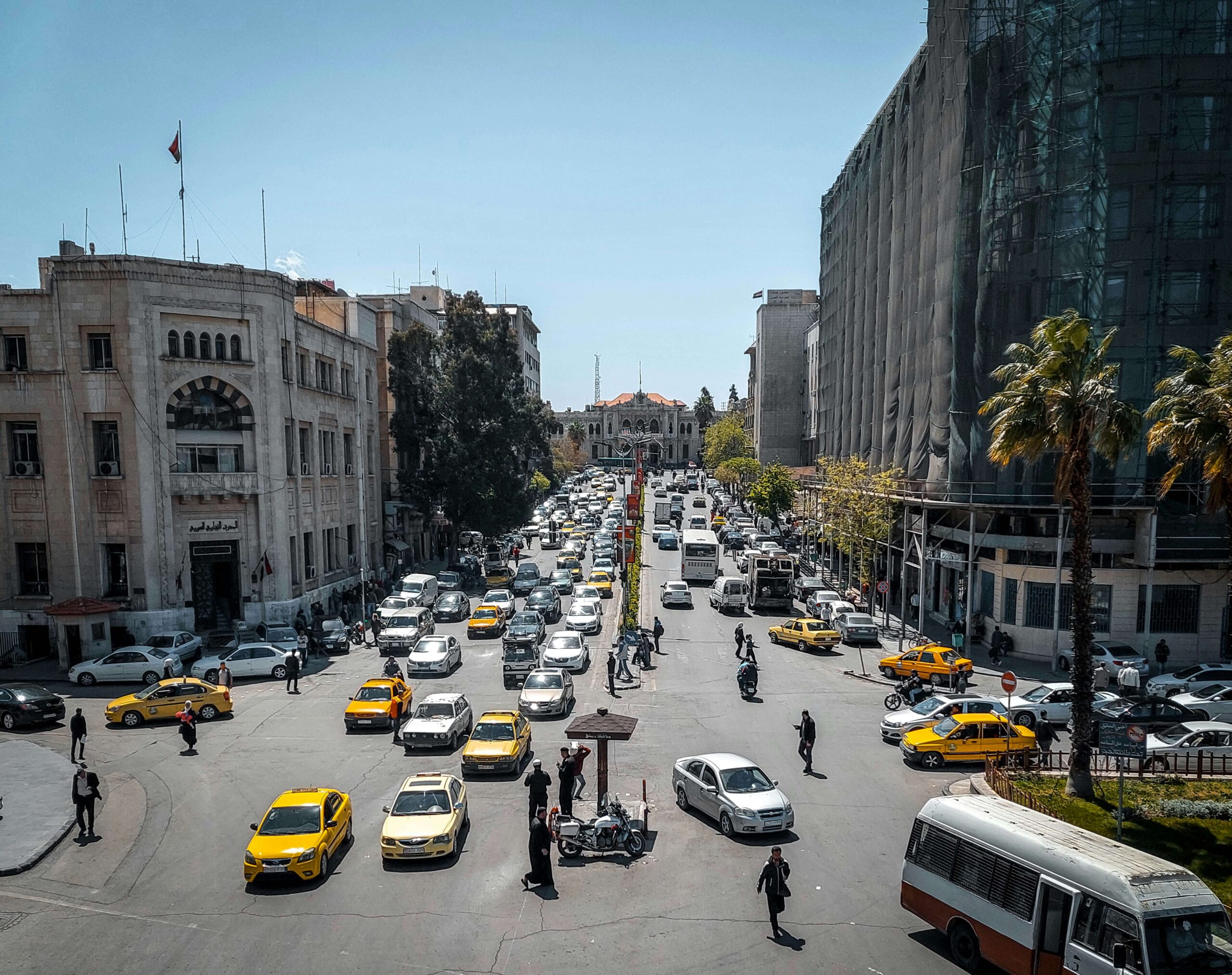
Damascus, considered to be one of the oldest cities, is entering the first phase of its gradual rebuilding process that has been hindered by years of instability caused by conflict. Real estate has begun to draw the interest of various investors across the world to take part in the city’s reconstruction and urban renewal. New opportunities remain in Damascene real estate, but investors must navigate a complex market by conducting in-depth analyses of the legislative frameworks, the economy, and the political climate.
Why Damascus Matters for Real Estate Investors
Damascus, in Syria, is a prime realestate location, due to a range of different reasons. It is not only the capital city of the country, home to The People’s Palace, where the President of Syria is based, but also has a large and important port and is where you can find plenty of retail and hospitality outlets.
Strategic Importance
Being the political and administrative epicenter of Syria, all government business and diplomatic relations flow through Damascus. Because of this, real estate in the capital is likely to hold higher value for a longer period of time compared to real estate in other regions of the country.
Population and Demand
The increased flow of people moving from rural to urban areas, as well as the return of people to their homes following the conflict have further heightened the demand for housing. This has been particularly evident in the residential and commercial areas. Additionally, the demand has supported the rental market and the opportunity for redevelopment in the area.
Cultural and Commercial Significance
The city’s historical and cultural significance, along with its importance as a commercial center, provides a basis for retail, hospitality, and mixed-use development opportunities.
Current Real Estate Market Conditions
At the moment, Syria is bouncing back from decades of conflict and sanctions that brought the country to a stand still. The country is in its first phase moving forward, with large financing coming from across its borders to help improve essential infrastructure like power. However, these developments directly influence the real estate market by improving investor confidence, supporting urban reconstruction, and increasing demand for residential and commercial property as infrastructure and economic activity begin to recover.
Post-conflict Recovery
The recovery of the property market is slow and is being driven by a combination of reconstruction activity and investor interest. There is still a great deal of variability in the market.
Supply Constraints
The destruction of housing units and other supplies has created a lack of available stock. A shortage of new construction, coupled with regulatory constraints, create supply issues in the more desirable areas.
Price Volatility
Speculative value appreciation is unlikely for investors due to the unpredictable nature of political, monetary, and regulatory environments. Rather, volatility is to be expected.
Types of Property Investment Opportunities
From residential to commercial property, there are multiple different property investment opportunities for investors:
Residential Property
Apartments and housing units remain in demand due to population pressures and urban concentration. Rental income potential is often the primary motivation for investment.
Commercial Real Estate
There are expected to be opportunities in this area due to the increased economic activity and reconstruction of the economy.
Development and Redevelopment
Investors with a greater ability to take on risk may consider new and rehabilitation construction projects associated with the reconstruction of the economy.
Land Acquisition
Strategic land purchases may offer long-term value, especially in growth corridors or redevelopment zones.