After years of conflict and economic hardship, Syria is showing early signs of recovery. The war and years of sanctions left much of the country’s infrastructure damaged and trade severely limited. Now, as restrictions begin to ease and new reforms take shape, Syria’s economy is slowly opening its doors to international business once again.
How Has Syria’s Economic Climate Changed in Recent Years?
In the past few years, Syria has focused on rebuilding confidence in its economy. Efforts have been made to restore infrastructure, strengthen the currency, and attract both local and foreign investment. Improved diplomatic relations and new trade policies are also encouraging international companies to explore opportunities in the country.
With new economic leadership driving change, the government has simplified import rules, promoted private investment, and created a more business-friendly environment. These actions are helping to revive key sectors such as transport, energy, telecommunications, and construction, laying the foundation for long-term growth.
Why Are International Companies Choosing to Return to Syria?
Syria’s need for reconstruction has become the main driver behind international engagement. Many regional and global companies view Syria’s location as a significant advantage. Positioned between the Mediterranean, the Gulf, and Asia, the country offers access to multiple trade routes. As stability returns, this geography may once again make Syria a central hub for regional commerce. For investors, this means that early involvement in rebuilding could lead to long-term partnerships and market access.
What International Companies Are Still Operating in Syria?
A limited but growing number of international companies are now active in Syria, mainly through regional partnerships and reconstruction projects. Their involvement focuses on rebuilding vital sectors such as transport, energy, telecommunications, and agriculture. Most activity centres on restoring essential infrastructure and improving trade capacity. While still cautious, this renewed foreign presence signals a gradual return of confidence in Syria’s recovering economy.
Rebuilding Syria’s Ports and Trade Routes
Syria’s ports have started to draw fresh attention from global shipping and logistics companies. International operators are working with local authorities to modernise and expand key ports, focusing on better terminals, faster cargo handling, and smoother operations.
Upgrading these ports is a vital step in Syria’s long-term recovery. Stronger transport links will make it easier for goods to move in and out of the country, helping to rebuild trade and reconnect Syria with major markets across the Middle East and Europe. The renewed involvement of foreign companies in this sector is a positive sign that confidence in Syria’s economic future is returning.
Rebuilding Syria’s Energy and Power Sector
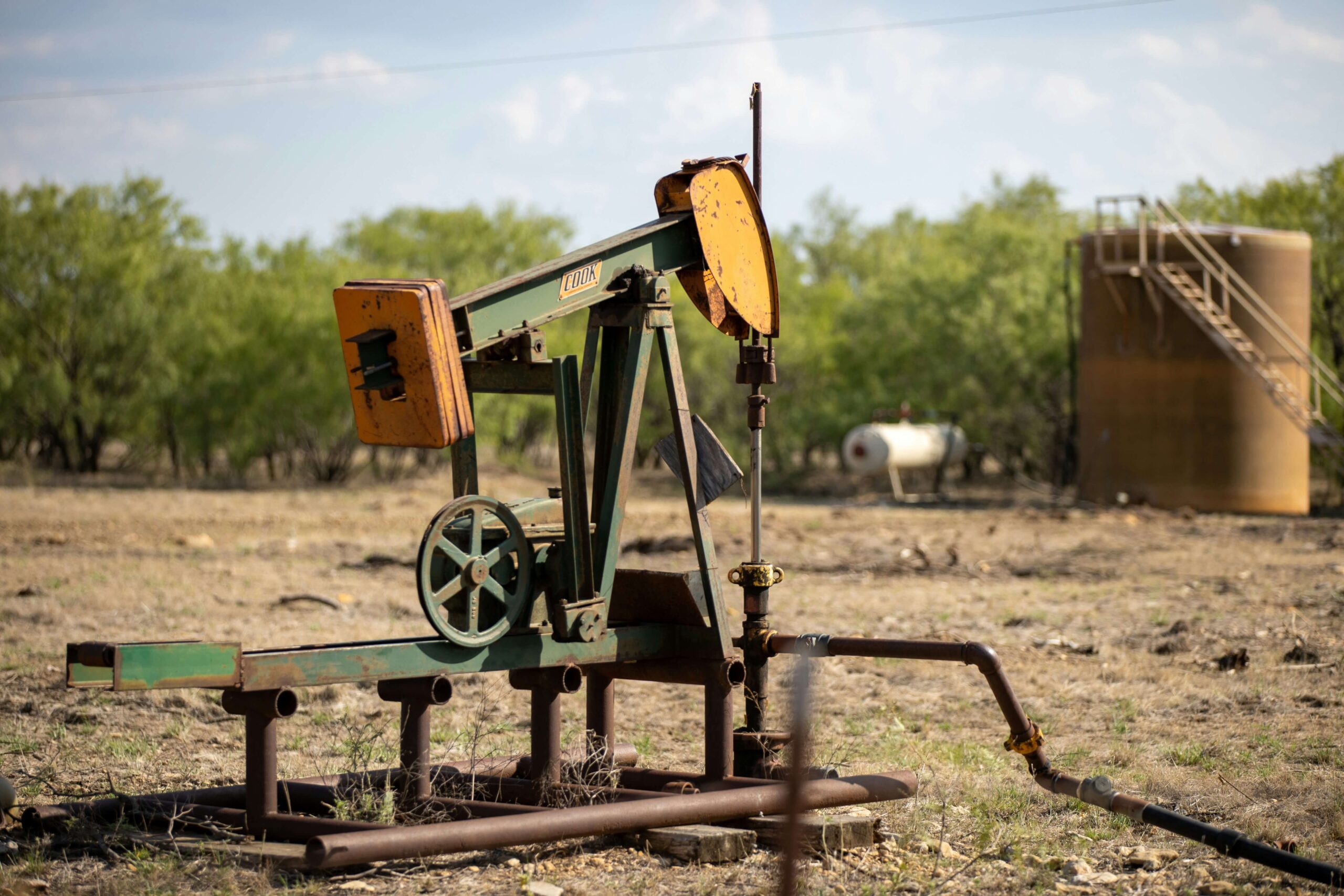
The energy industry has become one of the main priorities in Syria’s reconstruction efforts. International engineering and energy companies are working with local partners to repair power plants and restore the national grid. Their involvement is helping to make energy supplies more reliable, reduce reliance on imports, and support the gradual shift toward renewable sources.
Restoring a stable power supply is essential for both the economy and daily life. Reliable electricity keeps factories running, hospitals operating, and schools open. These international partnerships are playing a crucial role in rebuilding the foundation of Syria’s economy and improving living standards across the country.
Rebuilding Syria’s Telecommunications and Technology Sector
Telecommunications and technology are becoming important parts of Syria’s recovery. As trade across borders slowly improves, regional telecom companies and tech providers are returning to help rebuild communication networks and restore digital services.
New business regulations have made it easier for foreign companies to open offices and invest in local projects. These efforts are improving internet access, upgrading data systems, and helping more people and businesses connect online. Rebuilding this digital foundation is an essential step in linking Syria back to the global economy.
What These Developments Mean for Investors
The return of international companies to Syria is a positive sign that confidence in the country’s economy is slowly growing. It shows that recent reforms and rebuilding efforts are starting to make a real difference.
For investors, this shift marks a new stage of opportunity. Many early entrants are focusing on key areas such as infrastructure, logistics, telecommunications, and energy. While challenges around regulations and financing still exist, the steady progress suggests that Syria’s business environment is gradually improving.
What Challenges Should Investors Keep in Mind When Entering Syria?
Investing in Syria still requires careful planning and patience. The country is working to rebuild its financial systems, update its laws, and strengthen public institutions. Progress is being made, but it is happening gradually rather than quickly.
Investors also need to stay aware of regional risks and compliance requirements. Even so, the growing involvement of respected international companies shows that confidence is slowly returning. With the right local partners and expert guidance, many of these challenges can be managed successfully.