Syria is slowly becoming an investment option again as the economy starts to recover, rebuilding projects move forward, and new policies begin to take shape. Although the landscape remains complex, international interest has grown in key sectors such as infrastructure, agriculture, energy, and digital services. For investors, Syria presents both possibilities and uncertainty, making it essential to understand the realities before entering the market. To make informed decisions, investors need to consider the full picture of risks and rewards shaping Syria’s evolving market.
Why Is Understanding Risk Essential Before Entering Syria?
Every country has risks for investors, but in Syria, these risks carry more weight because the market is still recovering and changing. In simple terms, risk refers to anything that could interrupt your business plans, increase your costs, or make it harder to operate than expected.
In Syria, risk is shaped by factors that sit outside normal business concerns. Investors may face uncertainty around regulations, limited access to banking systems, or sudden changes in local conditions that affect planning and timelines. These do not make investment impossible, but they mean that businesses must enter the market with caution. Understanding risk helps investors prepare properly. When investors know what challenges might arise, they can plan ahead instead of reacting to problems later on.
What Risks Can Investors Expect from Entering the Syrian Market?
Entering the Syrian market comes with several challenges that investors need to understand before committing. The business environment is still developing, and certain conditions can make operations more complex than in more stable markets. By recognising these risks early, investors can prepare properly and avoid unexpected setbacks.
Political and Security Risks
Syria’s political and security situation is still sensitive, and this naturally affects how easily a business can operate. Some regions have become more stable, but others still experience uncertainty or changes in local control. This means conditions can shift quickly, which creates challenges for planning and day-to-day operations.
Unpredictable changes can slow down projects, restrict movement, or increase costs. Because of this, businesses often need to put extra measures in place, such as security planning, insurance, and regular risk assessments. Without proper preparation, long-term operations may face delays or interruptions during times of instability.
Legal and Regulatory Uncertainty
Syria’s legal system is going through gradual changes, but it is still complex and not always consistent. Rules can shift without much warning, and the way procedures are handled may differ from one region or government office to another. This creates a situation where businesses may not always know exactly what to expect.
Navigating licensing, registration, and property regulations can be challenging, especially for foreign investors who are unfamiliar with the system. When guidelines are unclear, the chances of making mistakes increase, which can lead to delays, penalties, or disputes. Because of this, working with reliable local legal advisors becomes extremely important.
Financial and Banking Restrictions
Syria’s financial system is still recovering, and this creates challenges for businesses that rely on stable banking services. Limited connections with international banks, restricted access to global payment systems, and frequent currency fluctuations make the financial environment harder to navigate than in many other markets.
For investors, this means that moving money in and out of the country, securing local loans, or managing large financial transactions can be complicated. Because traditional financing is not always available, many businesses turn to alternatives such as partnerships with local companies, support from regional lenders, or private investment groups.
Currency instability also affects planning. Investors need to factor in inflation, exchange rate changes, and unexpected cost increases when forecasting returns. Careful financial planning is essential to avoid surprises and protect long-term investments.
Infrastructure Limitations
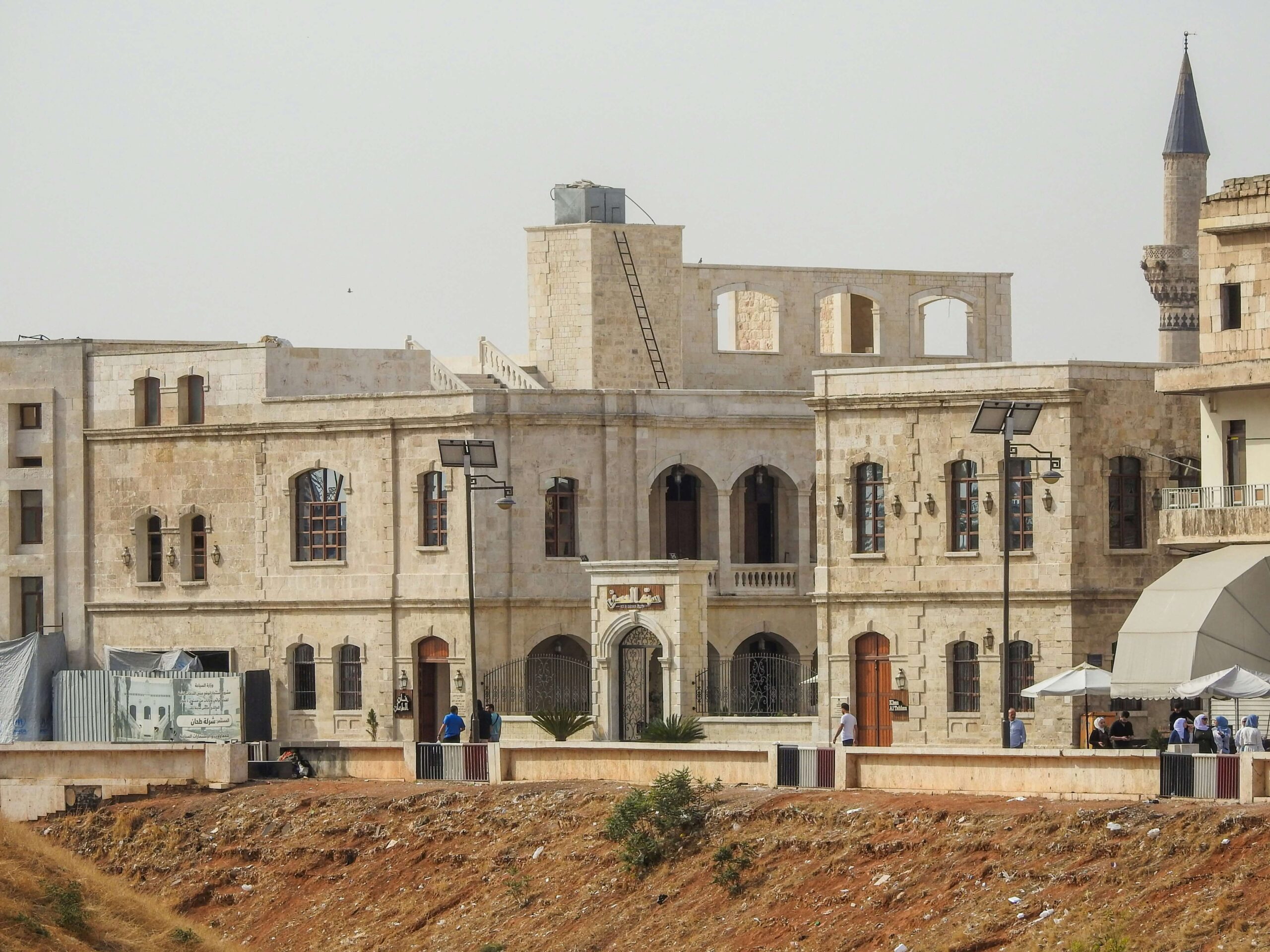
Years of conflict have left many parts of Syria with damaged or outdated infrastructure. Roads, electricity networks, and telecommunications systems are still being repaired and upgraded, which can make everyday business operations more challenging. These limitations often affect the speed, cost, and reliability of getting work done.
Because of this, projects in areas such as construction, logistics, manufacturing, or energy may experience delays or higher operating expenses. Transport may take longer, electricity may be unreliable, and communication systems may not always function smoothly.
What Rewards Can Investors Expect from Entering the Syrian Market?
Despite the risks, Syria offers real potential for companies that approach the market carefully and strategically. The rebuilding process has created space for new solutions, modern technologies, and international expertise. Many sectors remain underdeveloped, giving early investors the advantage of shaping emerging industries.
Several sectors in Syria show real potential for long-term growth, especially as the country continues its gradual recovery and rebuilding efforts. These industries have clear demand, limited competition, and space for international expertise.
Construction and Infrastructure
Rebuilding damaged areas remains one of Syria’s biggest priorities. There is strong demand for engineering services, building materials, project management, and modern infrastructure solutions. Everything from roads and housing to water systems and public facilities needs long-term investment.
Agriculture and Food Production
Agriculture is one of Syria’s most important economic pillars. Opportunities exist in irrigation technology, greenhouse farming, food processing, storage facilities, and the revival of export-quality crops. Investors who can modernise production or support supply chains may find steady growth.
Energy Development
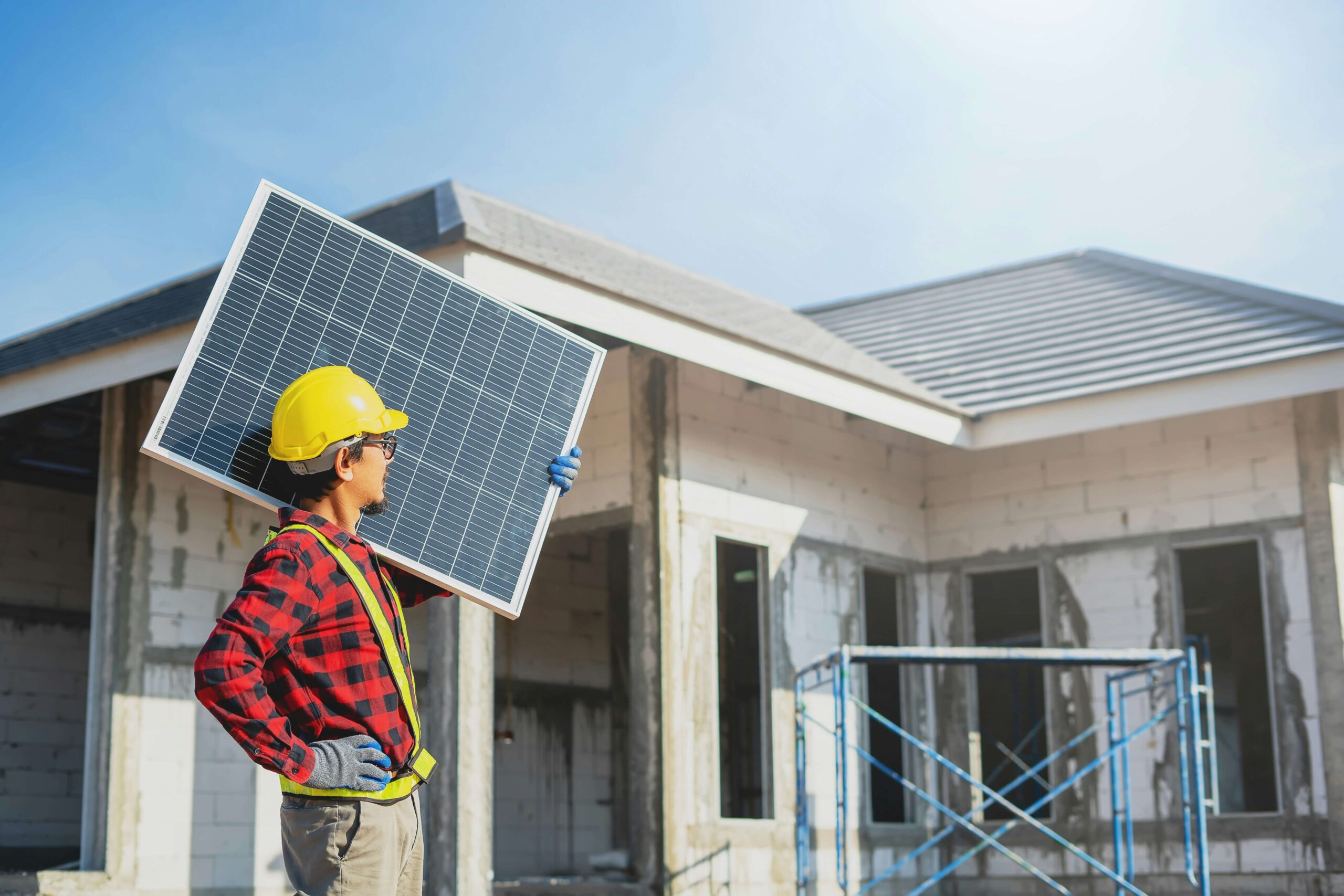
Electricity shortages and damaged power networks have created a significant need for both conventional and renewable energy projects. Solar systems, grid rehabilitation, and energy efficiency solutions offer promising long-term opportunities for companies with the right expertise.
Telecommunications and Digital Services
Internet access, mobile networks, and digital tools are becoming a normal part of daily life in Syria as more people and businesses move online. Because of this, there is a growing demand for better telecom services, improved mobile coverage, faster internet, and modern cloud-based solutions. These upgrades create space for new ideas and give investors the chance to introduce useful and innovative digital services.
Healthcare and Medical Services
Syria faces shortages in hospitals, medical equipment, pharmaceuticals, and trained staff. This sector offers opportunities in hospital development, diagnostics, training centres, supply chains, and medical technology. Demand is expected to increase as the population returns and stabilises.
Technology and IT Solutions
Interest in digital transformation is increasing. Startups and businesses need software, e-commerce tools, cybersecurity solutions, and IT infrastructure. Investors who can introduce practical and scalable digital services will find an emerging but expanding technology environment.
These sectors are closely tied to national recovery and everyday needs, which is why they hold some of the strongest opportunities for early investors.
How Can Investors Balance Risk with Opportunity?
Successful investment in Syria depends on preparation, risk management, and the right local relationships. Investors who understand the challenges and build strong support networks are more likely to navigate the market effectively.
Working with local advisors, conducting thorough due diligence, developing clear compliance procedures, and partnering with reliable local firms are all essential steps. Investors who combine caution with a long-term strategy are better positioned to benefit from Syria’s gradual recovery.