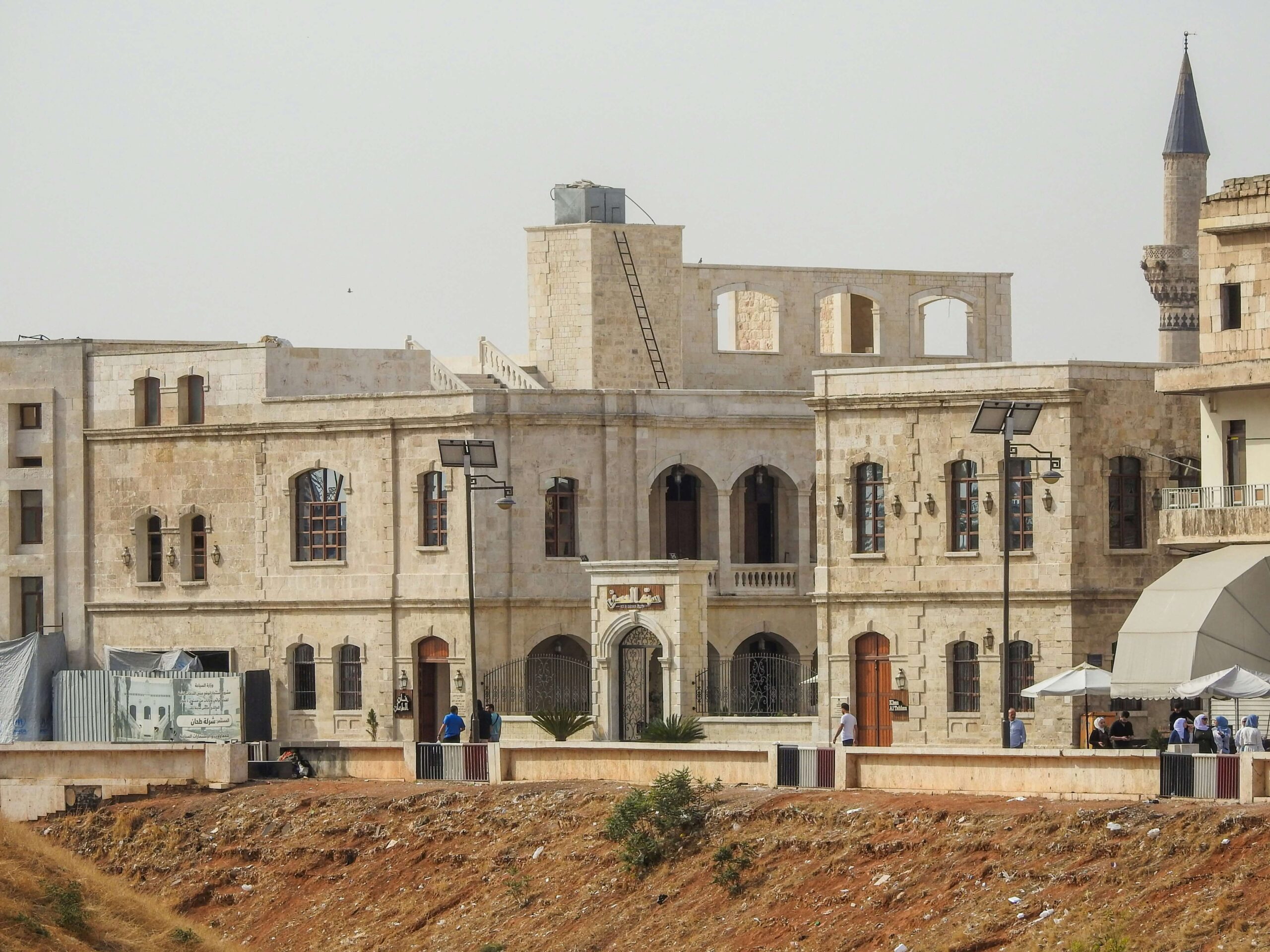
Due to a prolonged period of conflicts and economic barricades, reconstruction of Syria is becoming a priority in the region. Gulf Cooperation Council (GCC) nations, especially the United Arab Emirates, Saudi Arabia, and Qatar, are becoming prominent in partnering with Syria’s reconstruction of the infrastructure, the rebuilding of the economy, and the revival of institutional complexities. Their combination entails the interests of humanitarian assistance, the exercise of political power, and investment interests which are on the rise as sanctions are relaxed and diplomatic connections become friendly.
Renewed Diplomatic Engagement
As of 2023, several Gulf countries have reestablished formal ties with Damascus, rebuilding embassies in the region and opening embassies in Abu Dhabi and Riyadh. This was a turning point, indicating a readiness to collaborate with the Syrian government on reconstruction and stability efforts.
Political Motivations
Syria provides the Gulf countries with political, strategic and humanitarian potential. Syrian relations aid in the countering of Iranian hegemony, and Gulf countries become regional mediators of reconciliation, postwar reconstruction and recovery.
Humanitarian and Relief Assistance
Syria’s humanitarian aid deficit has focused on housing, healthcare, and food security. Housing projects were financed by the UAE and Kuwait. Saudi Arabia has provided medical aid, infrastructure repair, and conflict city relief.
Infrastructure and Energy Projects
As sanctions are released, Gulf investors are beginning to show interest in the energy, construction, and transport sectors in Syria. Companies from Saudi Arabia are interested in the reconstruction of airports and the development of the power grid and oil facilities, all of which are important to the economic base of Syria.
Real Estate and Tourism Development
Gulf developers are interested in real estate and the construction of tourism facilities, especially in and around the capital and by the coast. This is to trigger growth in the local job market and regional tourism to showcase the rich cultural and historical sites the country has to offer.
Financial Cooperation and Trade Resumption
Gulf banks rebuilding fractured relations with Syrian counterparts is a first step in the rehabilitation of financing of remittances, investments and trade. This is a first step towards rebuilding confidence in Syria’s monetary system, which is pivotal in transforming Syria’s economic growth.
Trade and Logistics Corridors
The trade routes that have recently been reestablished with the Gulf states, and the combination of Jordan and Iraq, are beginning to enhance the provision of goods and materials. The expansion of Gulf shipping lines into Syrian ports is also reviving commercial connectivity and maritime logistics.
Challenges and Limitations
Even with renewed interest, large-scale Gulf investments remain hesitant. International scrutiny, global restrictions, and concerns of corruption with Syrian institutions keep large-scale financial commitments at bay. Gulf sponsors and investors are cautioning the Syrian government of the need for administrative and economic reforms. The absence of governance and transparency will mean the sustainable rebuilding of the country will be limited, regardless of how much financial aid is provided.
The Strategic Vision Ahead
The Gulf states are now trying to economically integrate with Syria to complete their vision for the region. Gulf states have plans to connect Syria to Arab trade and energy networks to economically stabilize the Levant and expand their influence in the region through investments. Gulf nations have partnered with Syria to build infrastructure, tapping into the rebuilding of Syria as a more pragmatic approach.