The outline of the Syrian horizon is changing a lot in 2026. A landscape that used to be full of old thermal plants’ chimneys is now being changed by huge, shining fields of photovoltaic (PV) arrays.
To understand Syria’s solar infrastructure today, you need to look at it from two different angles: the big, high-tech “Mega-Projects” that are supported by international groups and the strong, decentralised “Rooftop Revolution” that kept the lights on when the main grid couldn’t.
The Anchor Projects With Multiple Gigawatts
The biggest change in Syria’s infrastructure is the switch from “survival solar” to making electricity on a large scale. After major international sanctions were lifted in 2025, a $7 billion energy deal with a group of companies from Qatar, Turkey and the United States became the foundation of the national grid.
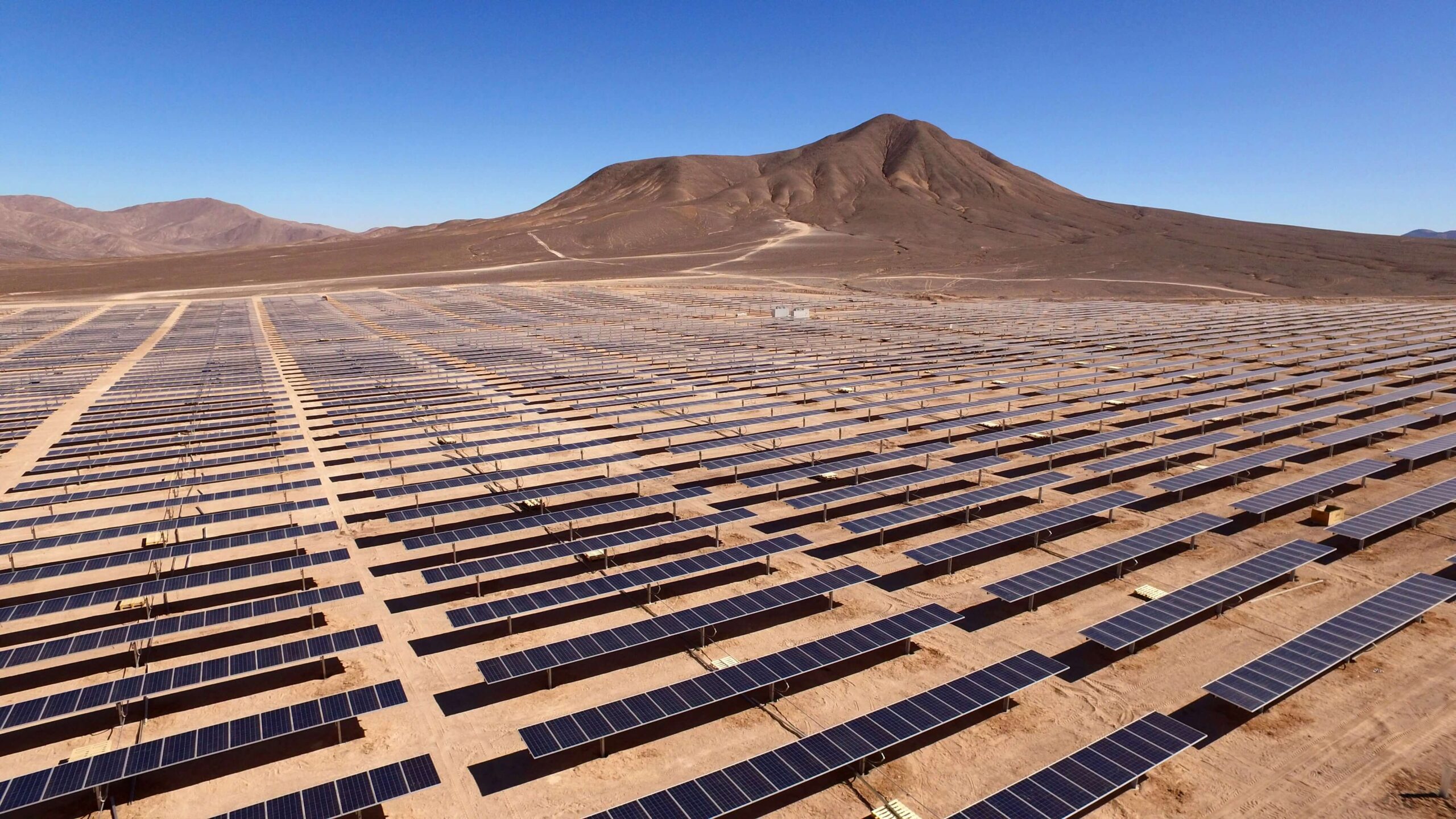
The 1,000 MW Solar Park
This is the main project. It is spread out over strategically chosen hubs like Widian Al-Rabee, Deir Ezzor, Aleppo and Homs and is meant to meet about 10% of the country’s energy needs. These sites use high-efficiency bi-facial panels and automated cleaning robots to fight the region’s strong dust storms, which is different from older installations.
The Palmyra-Total Energies Partnership
A 50 MW solar farm near Palmyra is a sign of technical progress. This facility is one of the first in the area to use grid-scale Battery Energy Storage Systems (BESS) to take advantage of the area’s very high solar irradiance. This means that solar power can be sent out even after the sun goes down.
The Decentralised “Grassroots” Grid
The government is building “big,” but the people of Syria are building “wide.” A parallel infrastructure has grown up because the central grid only meets about half of the country’s needs right now.
The Rooftop Renaissance
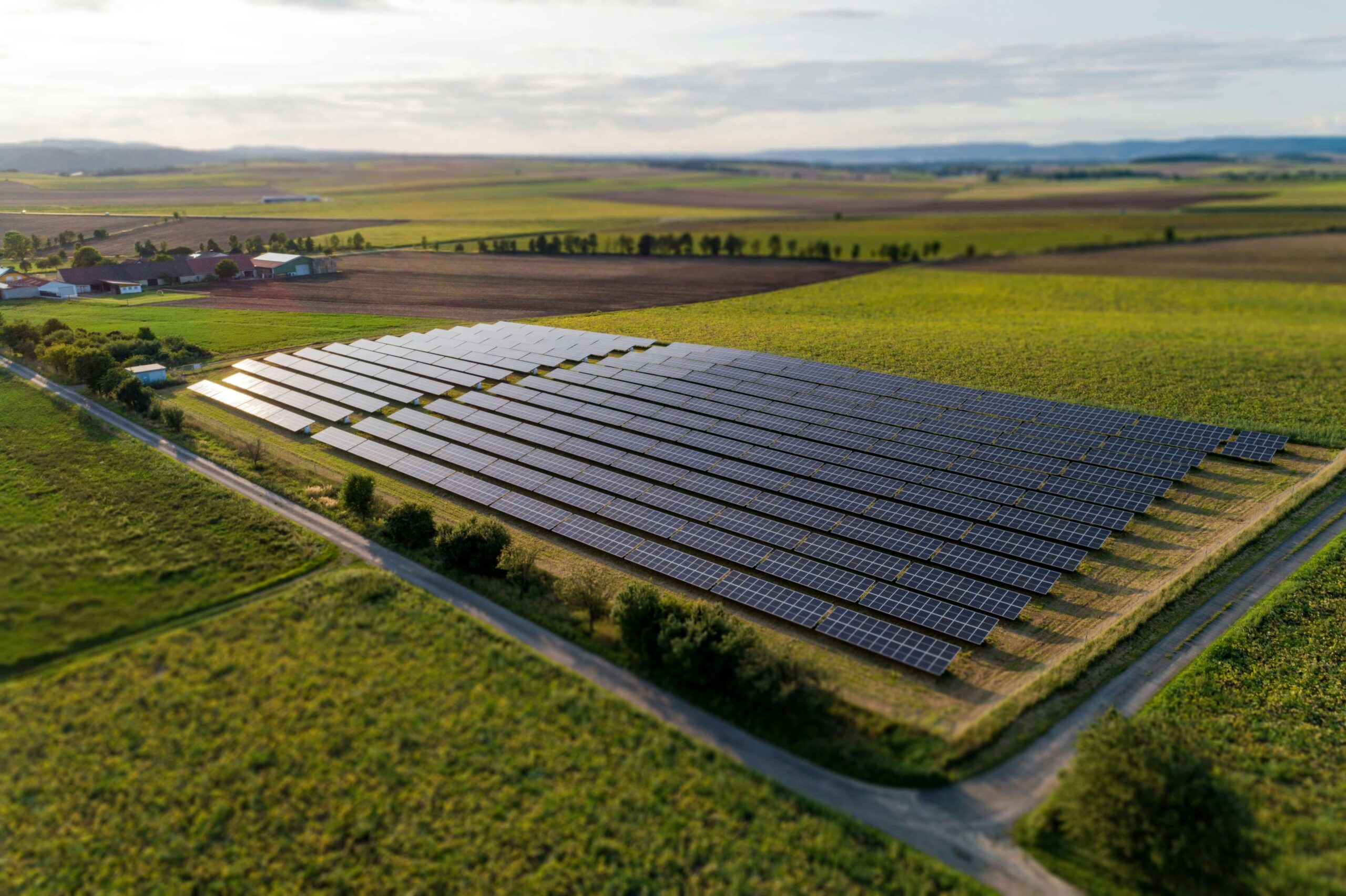
Solar panels are now a common part of buildings, from the busy markets of Damascus to the industrial workshops of Aleppo. This is a decentralised infrastructure where homes and small businesses work like mini-power plants.
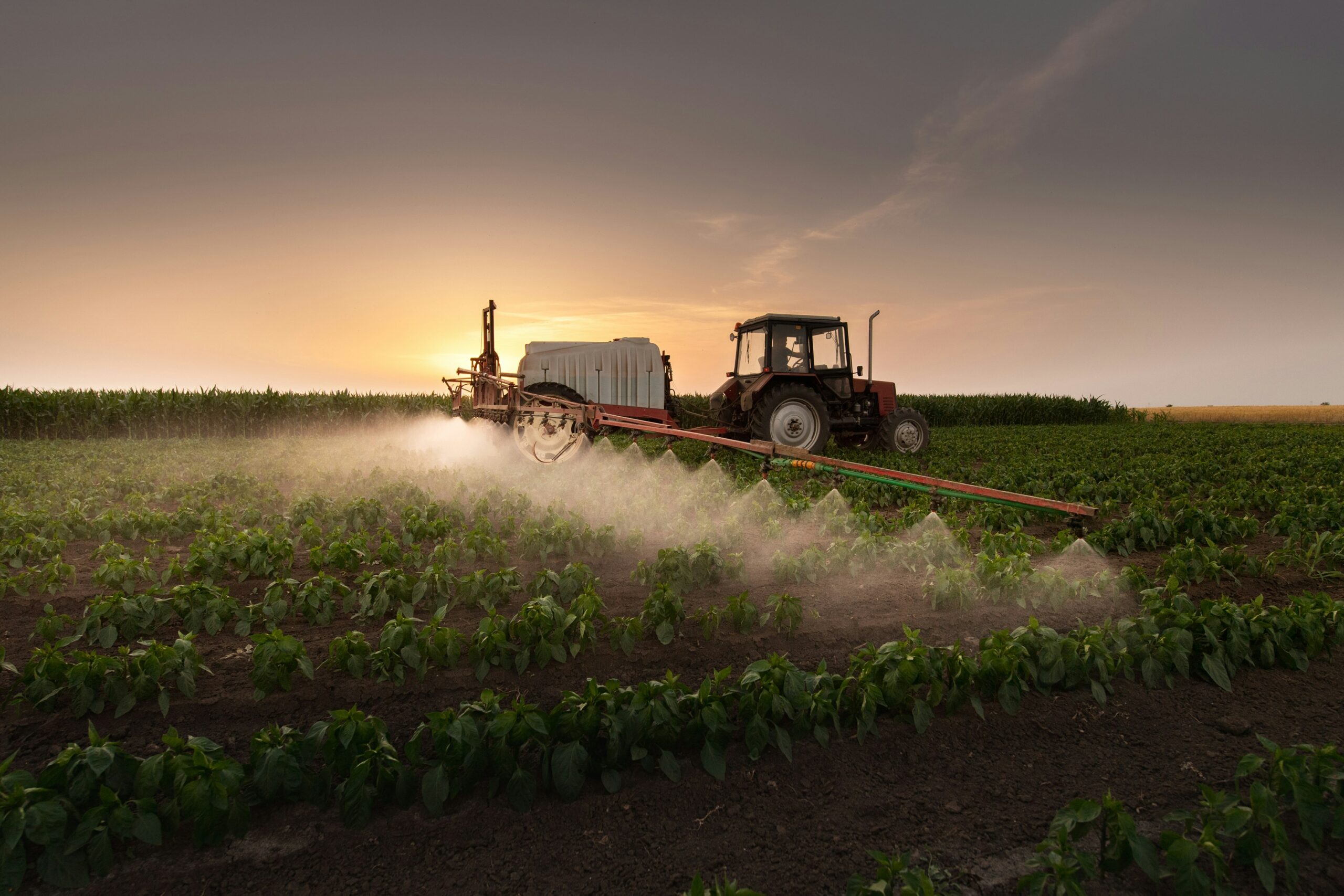
Solar-Powered Farming
In the countryside, the infrastructure looks like thousands of separate “Solar Pumping Stations.” Farmers have moved away from relying on diesel by setting up small arrays just to power deep-well water pumps. Because of the high cost of energy, this has effectively “green-belted” areas that were previously becoming deserts.
Smart Grid and Transmission Upgrades
It’s not just the panels that make up the infrastructure; it’s also the “nerves” that carry the power. Syria is using a $146 million grant from the World Bank to update its transmission lines in 2026.
High-Voltage Integration
The new solar farms are being linked to the 230 kV and 400 kV high-voltage grids. This calls for a new level of “smart” substations that can deal with the changing nature of renewable energy without causing frequency spikes.
Hybrid Plants
One thing that makes Syria’s current infrastructure stand out is the “Hybrid Retrofit.” Solar panels are being put up next to older gas-fired plants, like the one in North Aleppo. Solar takes care of the load during the day, and high-efficiency gas turbines take over at night, making a stable energy cycle that lasts all day.
Technical Problems And The Dust Factor
To build solar infrastructure in the Levant, you need more than just high-end panels. You also need to make some mechanical changes to make them last in the harsh Syrian climate. The “Dust Factor” is the biggest problem. If not taken care of, fine particles and occasional sandstorms can cut a panel’s efficiency by up to 30% in just one week.
To fight this, 2026 infrastructure is using more and more waterless robotic cleaning systems that move through the arrays every day, saving valuable water resources. Also, the hardware is specialised: bi-facial panels are becoming the norm for capturing light that bounces off the desert floor and single-axis trackers are used to follow the sun’s high-arc path across the Mediterranean sky. Because of the extreme summer heat, storage solutions have moved toward lithium-iron phosphate (LFP) containers. These containers are better at keeping their temperature stable than regular batteries, which means the system stays safe and works well even when the temperature rises in July and August.
The Economic Effect Of The Solar Shift
The physical presence of this infrastructure has created a new industry in Syria. Local assembly plants for mounting structures and inverter casings are now becoming more common. Even though the high-tech cells are still brought in from other countries, more and more of the “bones” of the solar infrastructure are being made in Syria. This is creating a second wave of jobs for the country’s engineers.