Agriculture has been the foundation of Syria’s economy and culture. For centuries, the fertile lands between the Euphrates River and the Mediterranean coast gave the region a reputation as a regional breadbasket.
Today, Syria’s agricultural sector is entering a transitional chapter. The sector is gradually transitioning from simple survival to a high-tech renaissance with bold national strategies and fresh economic paradigms. For investors who are forward-thinking, this pivot creates a very unique landscape with ground-floor opportunities.
The Current State
Over the past few years farming in Syria has endured harsh atmospheric and financial trials. Recent seasons have been hard hit by climate anomalies, including a severe regional drought that depressed cereal yields. However, the sector is showing some resilience.
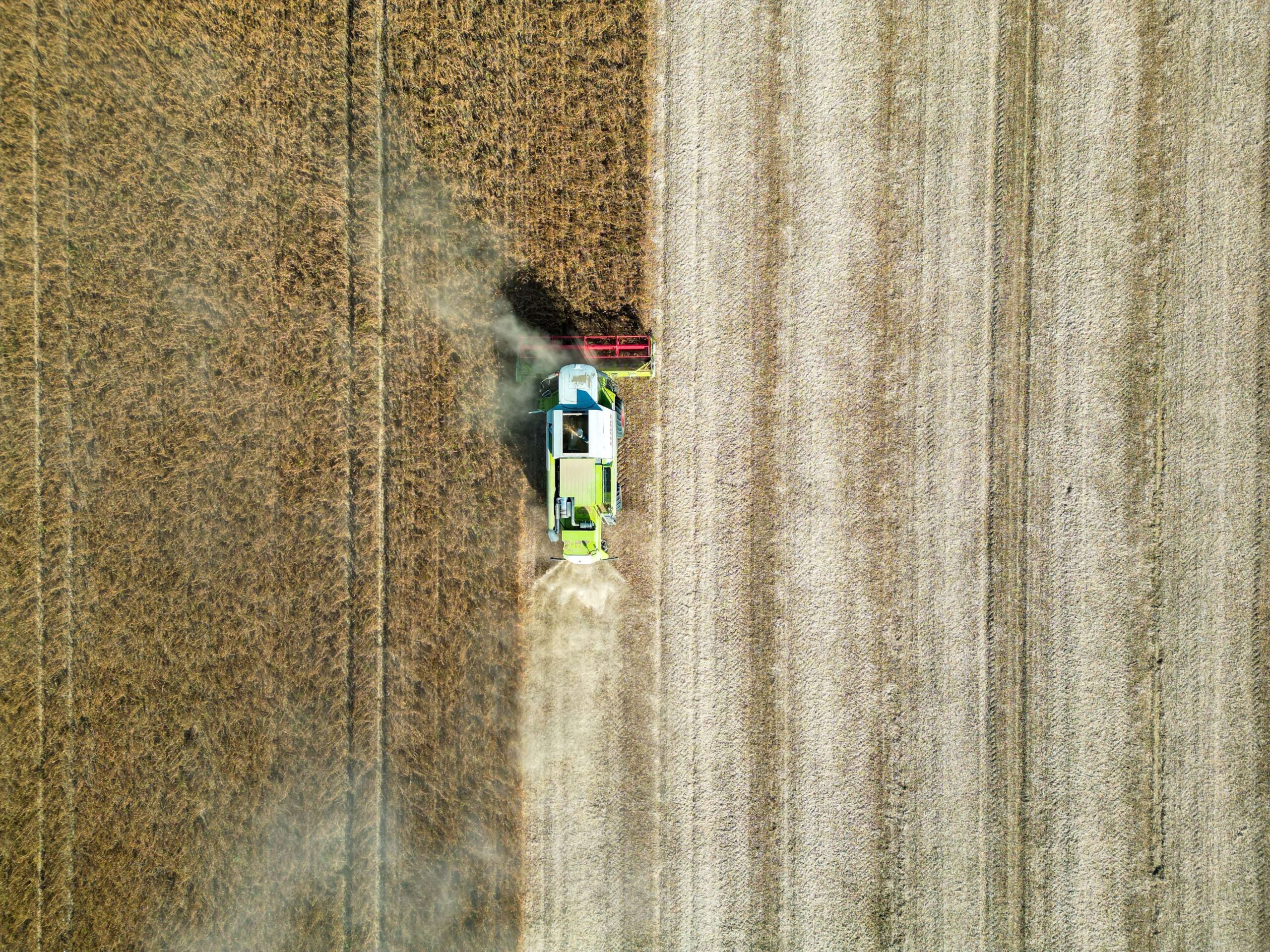
The latest projections are showing encouraging signs of recovery. Syria’s wheat production is soaring, a much-needed boost to national food security thanks to better seasonal rainfall and improved distribution networks. But Syria remains a powerhouse for high-value speciality crops other than wheat:
- Olive Oil: Syria is one of the top olive-producing countries in the world. The Mediterranean climate produces the highest quality, nutrient rich olive oil and is in high demand in the international market.
- Citrus and Fruit: Oranges, lemons and Mediterranean fruits are major crops in the coastal provinces and one of the pillars of local agricultural trade.
- Cotton and Textiles: The crop has a long history of producing high-quality long-staple cotton, which feeds directly into the country’s domestic manufacturing and textile industries.
The National Strategy
Syria’s farming transformation is not happening by accident. “It is being driven by a very structured policy shift that is aimed at modernising the way food is grown, processed and traded.
The new National Agriculture Strategy (2026-2030) is a collaborative initiative backed by local authorities and international bodies like the Food and Agriculture Organization (FAO). The goal is clear. To move from emergency aid to sustainable, high-yield commercial agriculture.
Why Invest Now?
The agricultural sector in Syria is ripe for privatisation and foreign investment. A new investment regime has been passed to attract investors, offering unprecedented incentives such as permanent income tax holidays for agricultural projects and deep tariff cuts for export-oriented agribusiness. Three specific areas look very promising for investment.
Smart Farming And Agritech Solutions
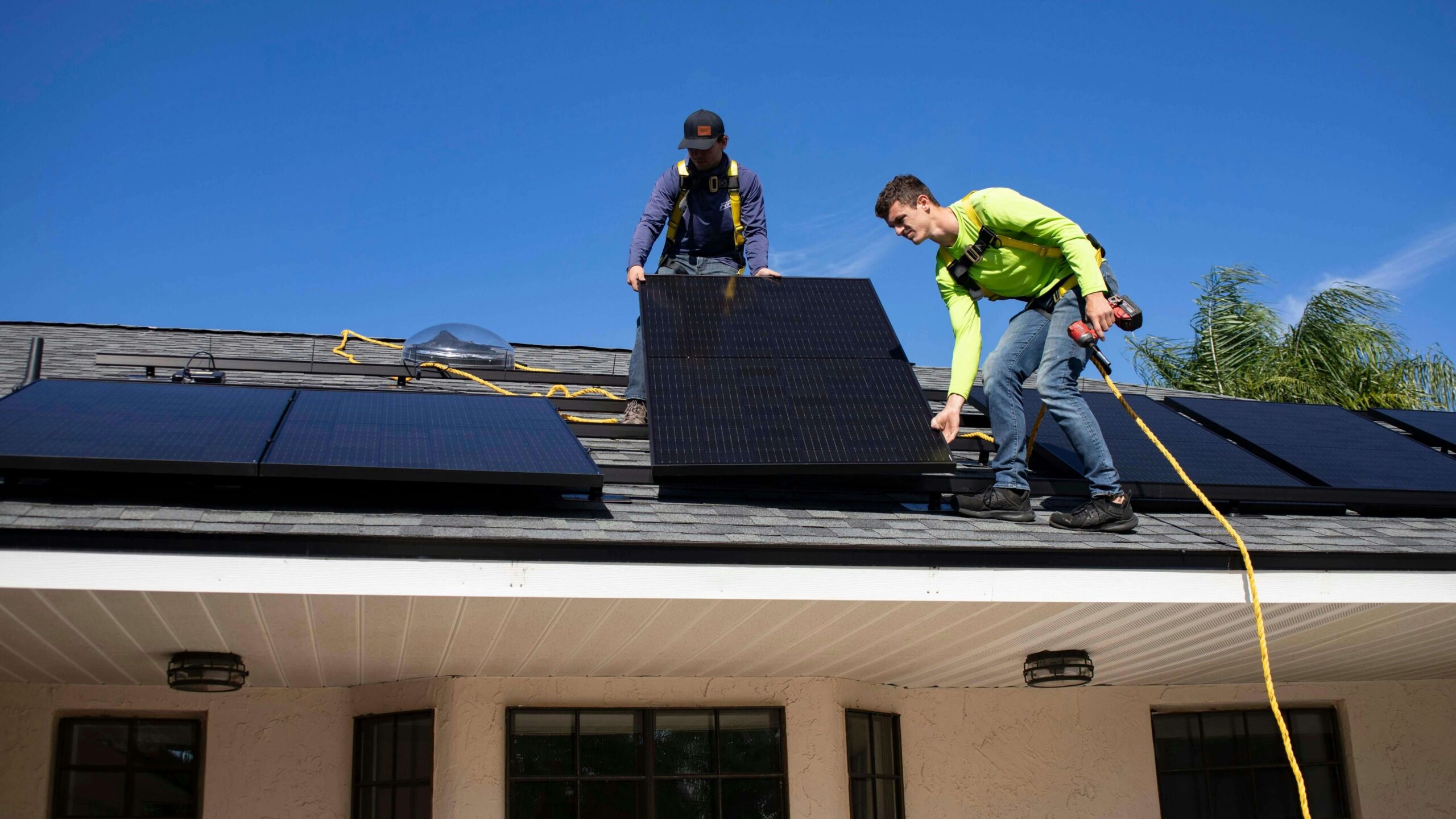
Traditional farming practices are very susceptible to changes in weather patterns. Modern technology is badly needed to help protect crop yields and this need is urgent and profitable. There are huge opportunities for investors in the introduction of automated drip irrigation, solar-powered water pumps, climate-resilient seed varieties and localised greenhouse technologies.
Cold Chain Storage And Logistics
One of the biggest holes in the Syrian food supply chain is post-harvest loss. A large percentage of fresh fruits and vegetables spoil before reaching local markets or export shipping ports due to historical power shortages and a lack of modern facilities. Investing in solar-powered cold storage units, modern packaging facilities and refrigerated transport fleets will yield high dividends in preserving crop value.
Food Processing and Value-Added Exports
They sell agricultural goods for low prices raw , but processing opens up huge profit margins. There is a large gap in the market for modern manufacturing plants dealing with bottling of olive oil, canning of fruit, concentration of juice and spinning of cotton. Investors can export high-value finished products for regional markets from locally located processing plants using an affordable workforce and premium raw materials.
Navigating The Landscape Safely
The financial incentives are good, but to enter an economy in transition needs careful planning. The current licensing model in Syria is heavily centralised. The best way to get access to land and to make the regulatory path easier is to work with established local entities, to attend national trade exhibitions (the next AgriTEK Syria expo will be held soon) and to work with international development agencies.
Cultivating the Future
The Syrian agricultural sector has transcended its role of feeding households and is ready to become a competitive commercial engine. The combination of fertile soil, historic farming expertise and open-ended tax incentives with a massive domestic demand for modernisation creates the perfect environment for early-stage capital.