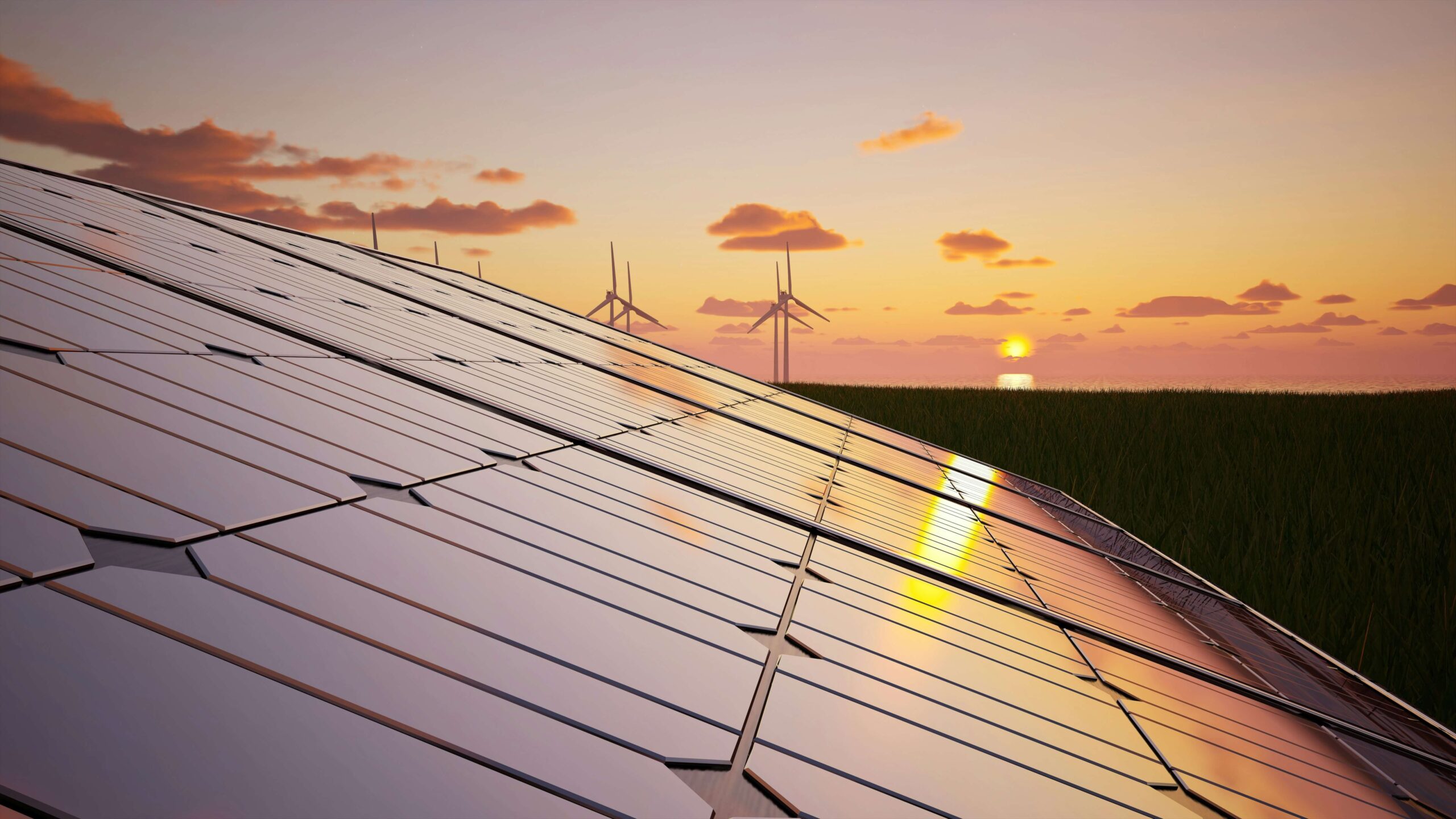
Even with ongoing issues with energy supply and infrastructure in Syria, the installation of solar panels is a viable and practical option. With Syria’s plentiful and consistent sunlight offering strong potential for using solar energy and Installing solar panels in different areas.
Residential Rooftops
In Syria, one of the easiest and most common methods for installing solar panels is on people’s residential rooftops. Many homes in urban and rural areas have either a flat or slightly angled roof, which is in itself favorable to the installation of solar systems.
Rooftop installations provide a number of benefits, including:
- Utilization of unused space
- Lower household expenses on electricity.
- Increased energy independence during outages on the electricity grid.
In cities where supply of electricity is inconsistent, the installation of a rooftop solar system, of course, with the inclusion of the battery, has become the most common.
Commercial and Industrial Buildings
Excellent candidates to install solar panels also include factories, warehouses, offices, and retail spaces. Classically, these buildings are characterized by large roof surfaces that can fit large capacity systems and therefore allow the installation of systems that can produce more energy.
These are reflected in the following areas:
- Lower operating costs for businesses.
- Lower dependence on diesel powered electricity generators.
- Increased sustainability of the business.
In particular, the industrial zones are the ones that can best utilize solar energy during the day, as it coincides with the strongest sunlight.
Solar Panels in Agriculture
Installation in solar irrigation system, water pumping and water storage systems in storage facilities are some of the solar irrigation systems that can be installed in the agricultural areas of Syria.
There are two primary options:
- Ground-mounted solar systems on repurposed land
- Agrivoltaics, which is the use of crops and solar panels in the same location.
This is especially beneficial for remote areas where the grid is difficult and/or unreliable.
Open Land and Solar Farms
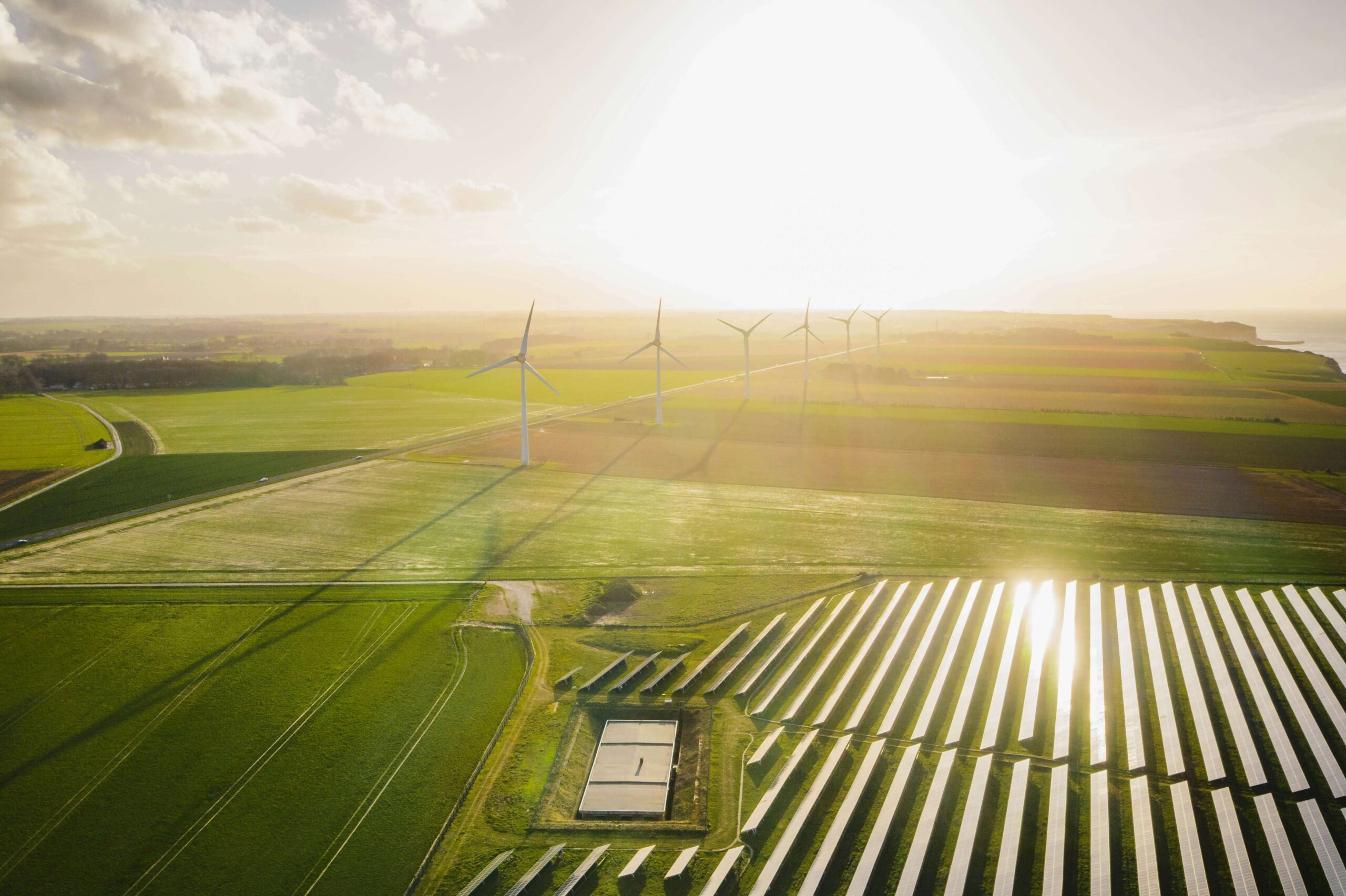
Large-scale solar farms may be constructed in large, unproductive areas, such as deserts and semi-arid terrains. A large part of Syria’s land is apt for this type of development.
Advantages:
- Higher energy generation capacity
- Possibility of using the generated energy for the local grid
- Possibility for the development of energy generation systems
Such large-scale solar farm projects may be economically attractive, however, they require upfront investments, proper planning and consistent policies.
Public Infrastructure
Solar panels can be mounted on the roofs of:
- Schools and universities
- Hospitals and clinics
- Government buildings
- Street lights
These solar installations can help alleviate the energy burden on the public and can sustain the provision of essential services during blackouts.
Refugee and Displacement Camps
Humanitarian contexts are where solar energy is essential. In camps for displaced people, solar energy can be used for:
- Lighting
- Phone charging
- Water pumping
- Basic healthcare needs
In these contexts, solar systems are a clean and dependable alternative to fuel-based generators.
Remote and Off-Grid Areas
Many remote and rural areas of Syria are disconnected from the national grid. This makes solar panels especially viable, as they do not rely on any centralized systems.
Off-grid solar systems can power:
- Basic homes
- Small businesses
- Communication systems
These installations are, in many cases, transformative as they provide access to electricity for the first time.
Important Factors Relating to Installation
Solar panel installation is possible in many places, however, it is important to consider the following factors:
Exposure to sunlight: Areas where there is little to no shade are preferred
Structural integrity: When it comes to roofs or areas where the mounting will be, the solar panel must be able to be supported.
Orientation and tilt: Panels are more effective when they are properly aligned and positioned.
Safety: Theft or damage can be a concern in certain areas, so the panels can have to be protected.
High initial expenditure: Solar panels can be quite expensive at first, even though prices are still going down.