Syria is entering a potentially significant period of economic change following years of conflict, international isolation and economic decline. With the fall of Bashar al-Assad’s government in December 2024, the country has begun rebuilding its international relationships and opening the door to foreign investment. However, the transition remains complicated, with political uncertainty, security concerns and substantial infrastructure damage continuing to influence its economic prospects.
For international investors, Syria presents an unusual combination of opportunity and risk. Its strategic location, natural resources, agricultural potential and extensive reconstruction requirements could support long-term economic growth. However, translating these advantages into commercially viable investments will depend on political stability, institutional reform and the ability to establish a reliable business environment.
So, what could drive Syria’s economic recovery, and which sectors might offer the strongest opportunities for international investors?
Syria’s Economic Outlook Following Political Change
The political transition has created an opportunity for Syria to re-establish economic relationships with international markets. The transitional government has sought to attract foreign capital, encourage private-sector activity and rebuild relationships with regional and international partners.
The World Bank has identified early signs of economic recovery, supported by improving trade connectivity, increased agricultural and oil production, reconstruction activity and returning refugees. Its October 2026 outlook projected economic growth of between 8% and 10% for the year, although this forecast remains subject to considerable uncertainty.
Nevertheless, economic recovery is unlikely to be straightforward. Syria continues to face institutional weaknesses, widespread poverty, damaged infrastructure and security challenges. Investors will need to distinguish between the country’s longer-term economic potential and the risks associated with operating in its current environment.
Reconstruction and Infrastructure Development
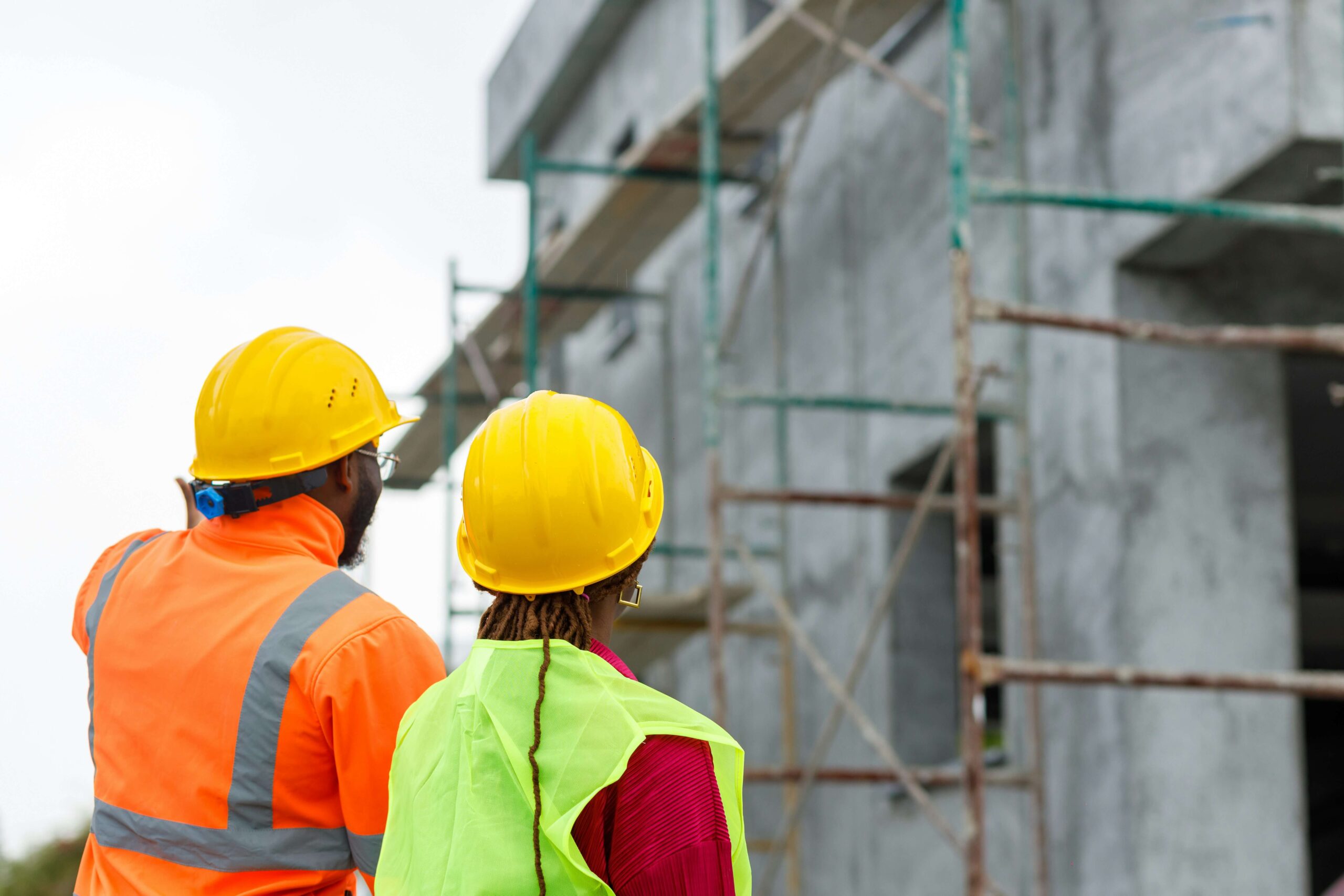
One of Syria’s most significant economic opportunities lies in rebuilding its damaged infrastructure. Years of conflict have affected residential buildings, roads, electricity networks, water systems, hospitals and industrial facilities.
The World Bank estimates that Syria’s reconstruction requirements could reach approximately US$216 billion, highlighting the scale of investment needed to restore the country’s productive capacity.
This creates potential demand for international companies involved in construction, engineering, infrastructure development, building materials and project management. Businesses capable of supporting large-scale reconstruction could find opportunities as public and private investment increases.
Energy and Natural Resources
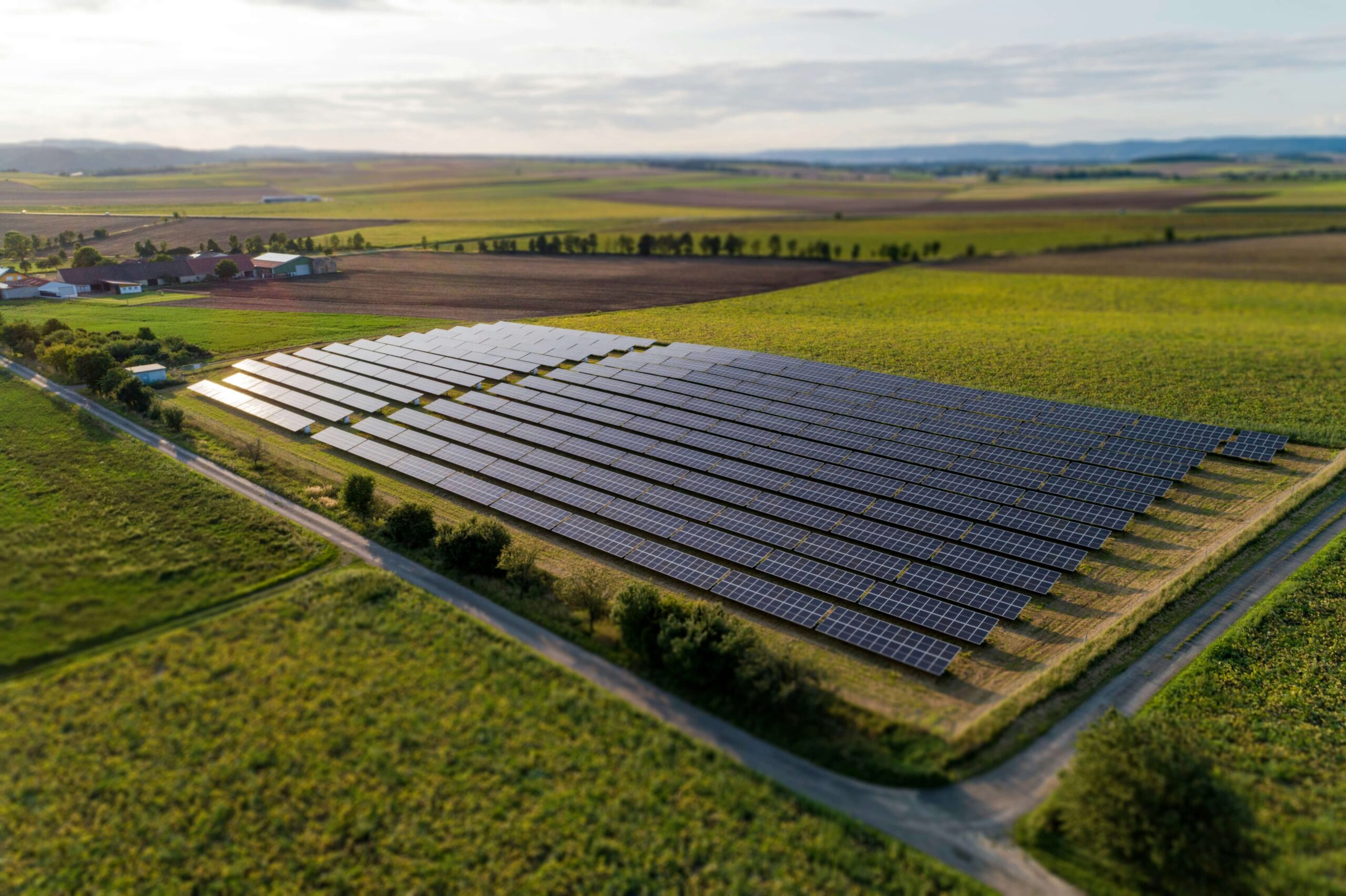
Syria’s energy sector could play an important role in supporting economic recovery. Before the conflict, oil and gas production contributed significantly to government revenues and export activity. However, years of damaged infrastructure, disrupted production and fragmented control over energy resources have limited the sector’s performance.
Restoring production, improving distribution networks and attracting technical expertise could help increase domestic energy supplies while creating opportunities for international energy companies.
The country’s offshore exploration potential and existing oil reserves may also attract longer-term interest. However, investment will depend on exploration results, infrastructure rehabilitation, contractual arrangements and the ability to operate securely.
Agriculture and Food Production
Agriculture has historically been an important part of Syria’s economy, providing employment, supporting rural communities and contributing to domestic food supplies. The country has favourable conditions for producing wheat, cotton, olives, fruit and vegetables, although agricultural productivity has been affected by drought, damaged irrigation systems and disrupted supply chains.
Restoring agricultural infrastructure could create opportunities for investors in food processing, irrigation technology, agricultural equipment, fertiliser production and distribution.
There is also potential to develop agricultural exports as production capacity improves. However, water availability, climate conditions and access to reliable electricity will remain important considerations for businesses entering this sector.
Strategic Location and Regional Trade
Syria’s geographical position could become another important driver of economic recovery. Located between Turkey, Iraq, Jordan, Lebanon and the Mediterranean Sea, the country has the potential to reconnect regional trade routes and support the movement of goods between the Middle East and European markets.
Rehabilitating roads, railways, ports and border infrastructure could strengthen Syria’s position as a regional transport and logistics hub.
Its location may also offer opportunities for energy transit, particularly through potential pipeline connections linking the Gulf, Turkey and the Mediterranean. For international investors, these developments could create opportunities in logistics, warehousing, freight services and transport infrastructure.
However, realising this potential will require cooperation with neighbouring countries, substantial infrastructure investment and greater regional security.
Telecommunications and Digital Infrastructure
Syria’s telecommunications infrastructure presents another area with potential for private-sector investment. Years of conflict and underinvestment have limited connectivity, damaged networks and restricted access to reliable digital services.
Rebuilding telecommunications infrastructure could support wider economic development by improving access to online banking, business services, education and international markets.
Investment opportunities may include mobile networks, fibre-optic infrastructure, data centres, cloud services and digital payment systems. As businesses increasingly rely on digital connectivity, improved telecommunications could also make Syria more attractive to international companies.
However, affordability, electricity reliability, regulatory frameworks and access to international technology will influence how quickly this market develops.
Tourism and Hospitality
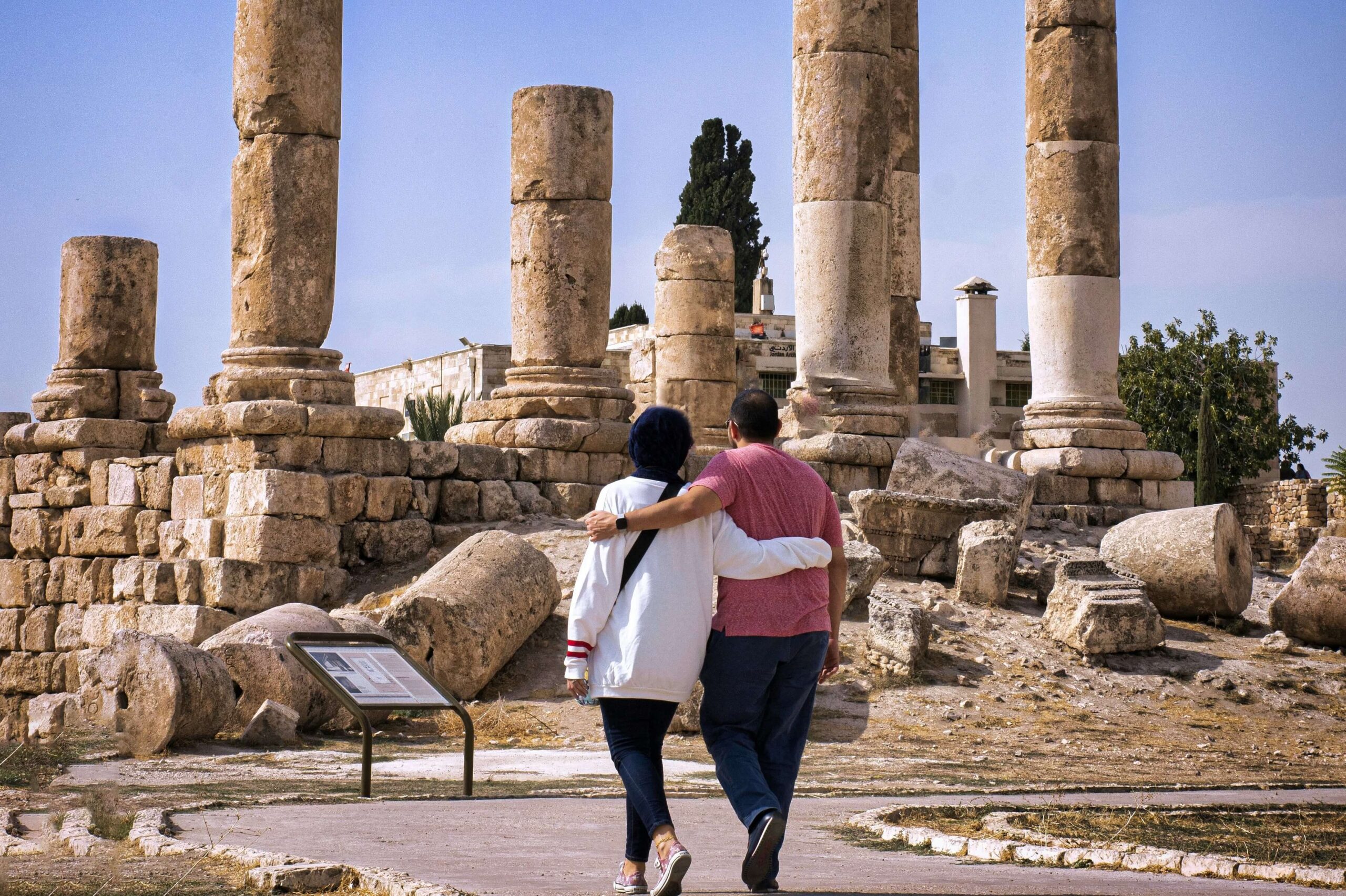
Syria has considerable cultural and historical tourism potential. Its archaeological sites, historic cities, religious landmarks and Mediterranean coastline have traditionally attracted international visitors.
Locations such as Damascus, Aleppo, Palmyra and the coastal region could eventually support renewed tourism activity as infrastructure and security conditions improve.
This creates potential opportunities in hotels, hospitality services, restaurants, transport and tourism management. International hotel operators and investors may also be interested in the longer-term potential of restoring historic properties and developing accommodation facilities.
Nevertheless, tourism is particularly sensitive to security perceptions and international travel advice. A sustained recovery will depend on improved safety, reliable transport connections and the restoration of essential visitor services.
Financial Services and Banking Reform
A functioning financial system will be essential if Syria is to attract sustained international investment. Businesses need reliable banking services to process payments, access financing, manage currency exposure and conduct international transactions.
Syria’s banking sector has been significantly weakened by years of conflict, sanctions and economic isolation. Improving financial regulation, strengthening banking supervision and restoring international payment connections will therefore be important priorities.
The International Monetary Fund has identified banking-sector rehabilitation, improved financial legislation and stronger anti-money laundering and counter-terrorist financing frameworks as important areas for reform. International Monetary Fund
For international investors, progress in these areas could eventually make it easier to establish businesses, finance projects and transfer capital. However, the current limitations of the financial system remain a significant barrier to investment.
Sanctions Relief and Renewed International Relationships
International sanctions have historically restricted Syria’s access to global financial markets, trade and foreign investment. Changes in international policy following the political transition have created new possibilities for economic engagement.
The European Union lifted its broad economic sanctions against Syria in May 2025, while retaining security-related restrictions and sanctions against certain individuals and entities. International engagement has also increased, including renewed discussions around financial assistance and economic cooperation.
This changing environment could make it easier for international businesses to explore opportunities in Syria, particularly in sectors such as energy, infrastructure, agriculture and financial services.
However, sanctions relief should not be interpreted as the removal of all compliance risks. Investors must still consider applicable restrictions, ownership structures, counterparties, export controls and financial regulations in their home jurisdictions.
What Should International Investors Consider?
Syria’s economic potential is considerable, but identifying viable investment opportunities requires an understanding of the country’s operating environment.
Investors should pay particular attention to the stability of local partners, the enforceability of contracts, ownership rights, currency risks and the availability of reliable financial services. Due diligence should also include sanctions screening and an assessment of applicable international compliance requirements.
The availability of insurance, access to international banking and the ability to repatriate profits are equally important considerations.
Rather than focusing exclusively on projected economic growth, investors should assess whether individual projects have realistic revenue models, manageable operating costs and sufficient protection against political and commercial risks.