As the world’s energy system changes dramatically to become more sustainable, many people are looking to the Eastern Mediterranean. Syria, a country with a long history of trade and farming, is at a very important point in its history right now. For a long time, traditional hydrocarbons have powered the region. Now, though, a new story is starting to take shape, one that is based on sunlight, wind and high-tech public-private partnerships.
It’s no longer a question of whether Syria can switch to clean energy; it’s a question of how quickly it’s already doing so.
The Economic Catalyst
Syria’s renewable energy sector used a patchwork approach for many years. Families put solar panels on their roofs to try to stabilise their own power supply. But 2026 is the year this grassroots movement grew into a national strategy on an industrial scale.
The main reason is that international sanctions will be lifted in the middle of 2025, which will let global capital flow freely. The Syrian Ministry of Energy has made multi-billion-dollar deals with international groups from Qatar, Turkey and even the United States. These deals are no longer limited to local scrap-builts. The goal is to go from surviving on a small scale to having a lot of power on a large scale.
Large-Scale Infrastructure
The landmark billion-dollar energy agreement signed with a global consortium is one of the most important signs of this change. The project has high-efficiency combined-cycle gas turbines that can provide immediate baseload power.
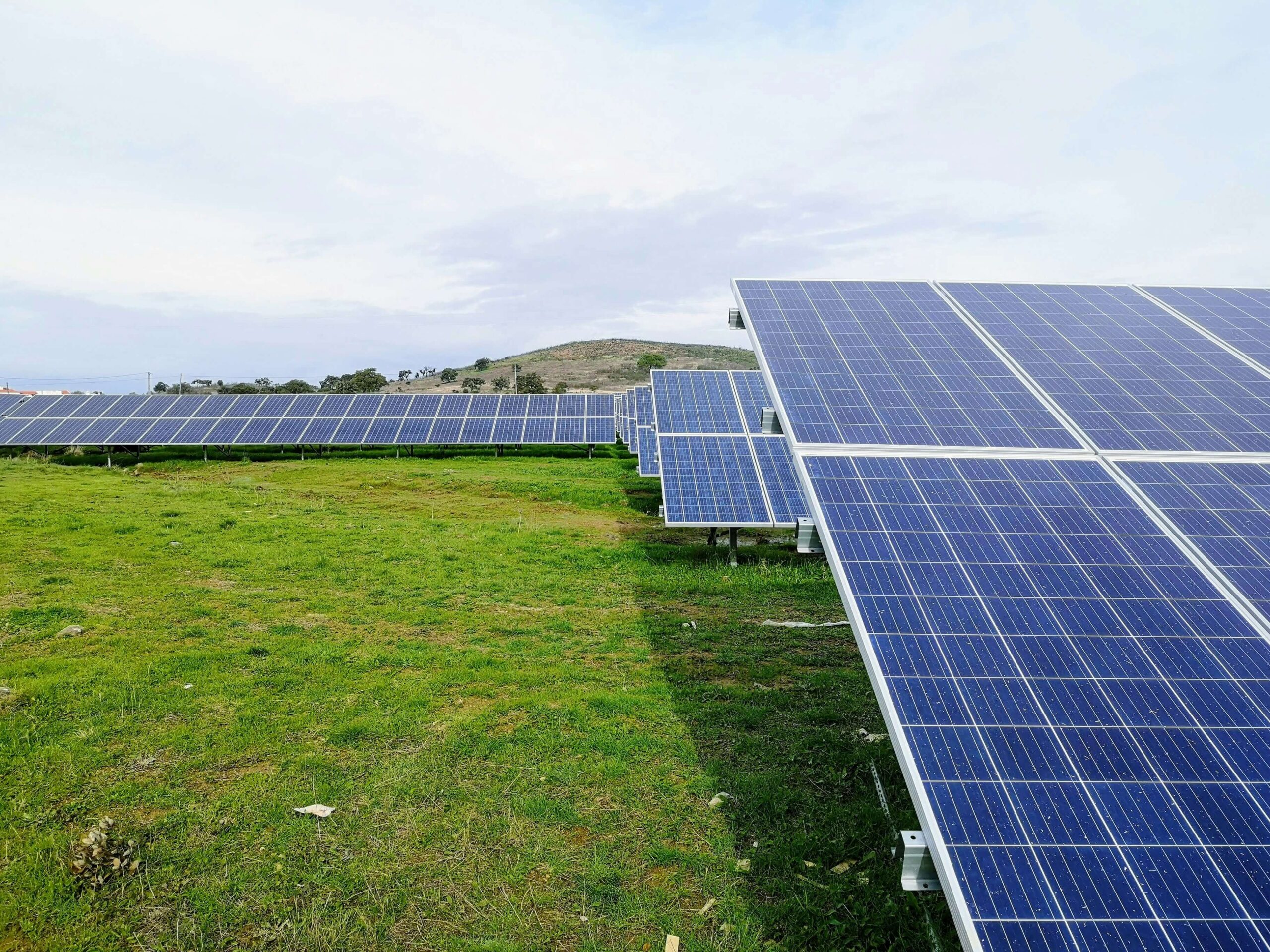
This one project changes the way the national grid is built in a big way. Syria wants to get almost a tenth of its energy needs from a single renewable site by adding 1 GW of solar power directly to the central distribution network. This is being helped by other projects, such as solar sites in Aleppo and Homs that will produce 300 MW and 200 MW of power, respectively.
The Natural Advantage
Syria’s geographic positioning provides it with a competitive edge that few other nations in the Levant can match.
Solar Irradiance
Syria is in a high-radiation belt and gets more than 3,000 hours of sunshine a year on average. This means that photovoltaic (PV) technology is not only possible, but also very profitable.
Wind Corridors
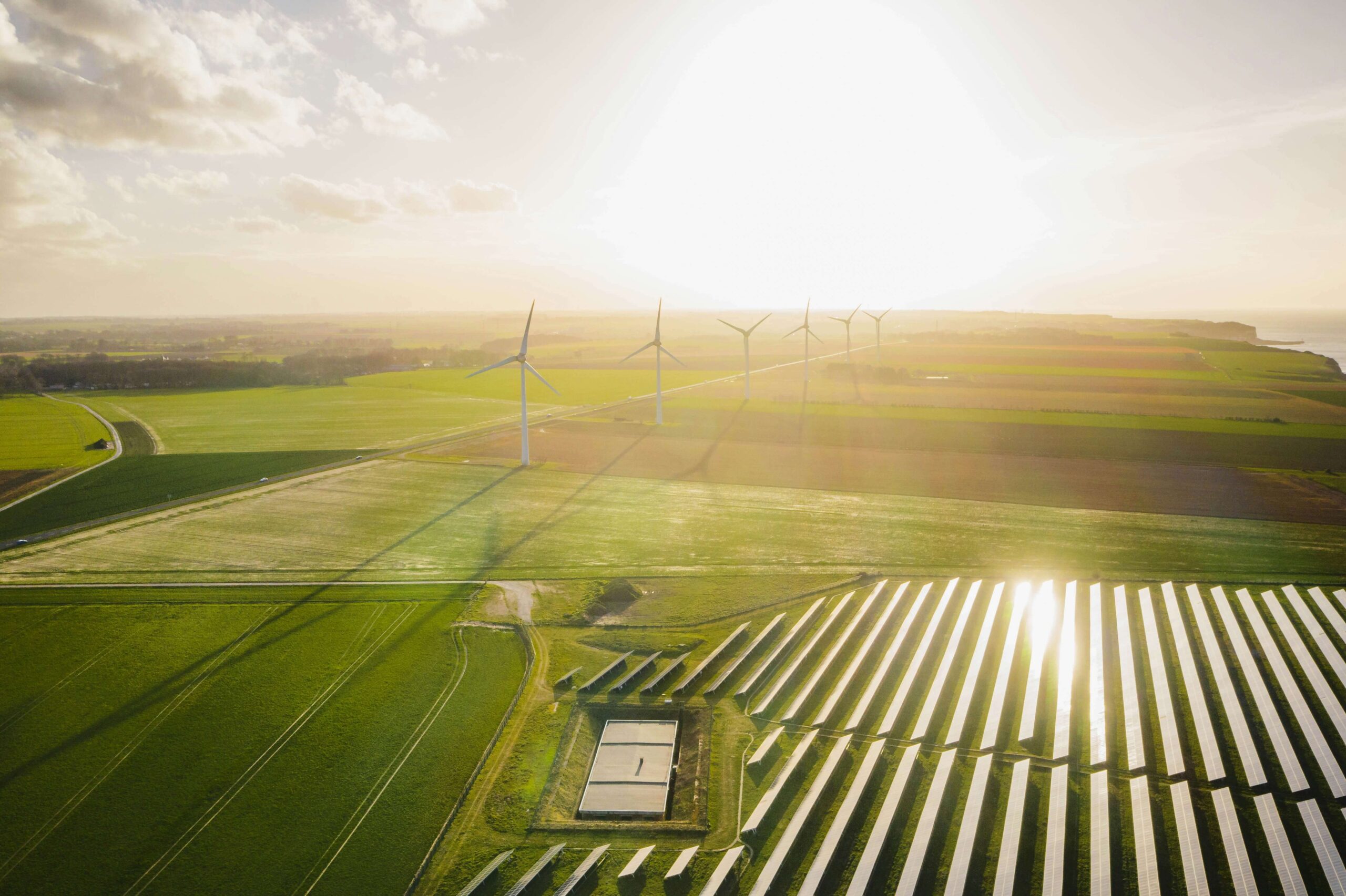
Recent joint development agreements with regional leaders like ACWA Power are looking into building 1.5 GW of wind capacity. Specialised wind corridors, especially in the central and western parts of the country, have steady speeds that can work well with solar power at night.
The Ministry of Energy’s 2030 Vision says that by the end of the decade, 10% of the country’s electricity should come from renewable sources. This may not seem like much compared to European goals, but for a country that is currently restructuring its entire industrial base, it is a huge step forward. The government is encouraging Build-Own-Operate (BOO) models to do this. This lets foreign investors keep a stake in the infrastructure they build.
Decentralization And Rural Empowerment
The agricultural sector is probably the most human part of Syria’s shift to clean energy. The rising cost of diesel for water pumps has become a big problem for farmers in a country that has always relied on its Green Belt.
A switch to solar-powered irrigation in 2026 is bringing rural economies back to life. Farmers are becoming energy independent by avoiding a centralised grid that is still being fixed. New micro-loan programs and tax breaks on solar hardware for imports are helping this decentralised model. This shows that clean energy is just as useful for protecting the environment as it is for making sure people have enough food.
Obstacles On The Way To 2030
Changing the energy profile of a whole country is not without its mechanical problems. The Syrian grid is getting a $146 million grant from the World Bank to modernise it, but it still has legacy problems.
Grid Stability
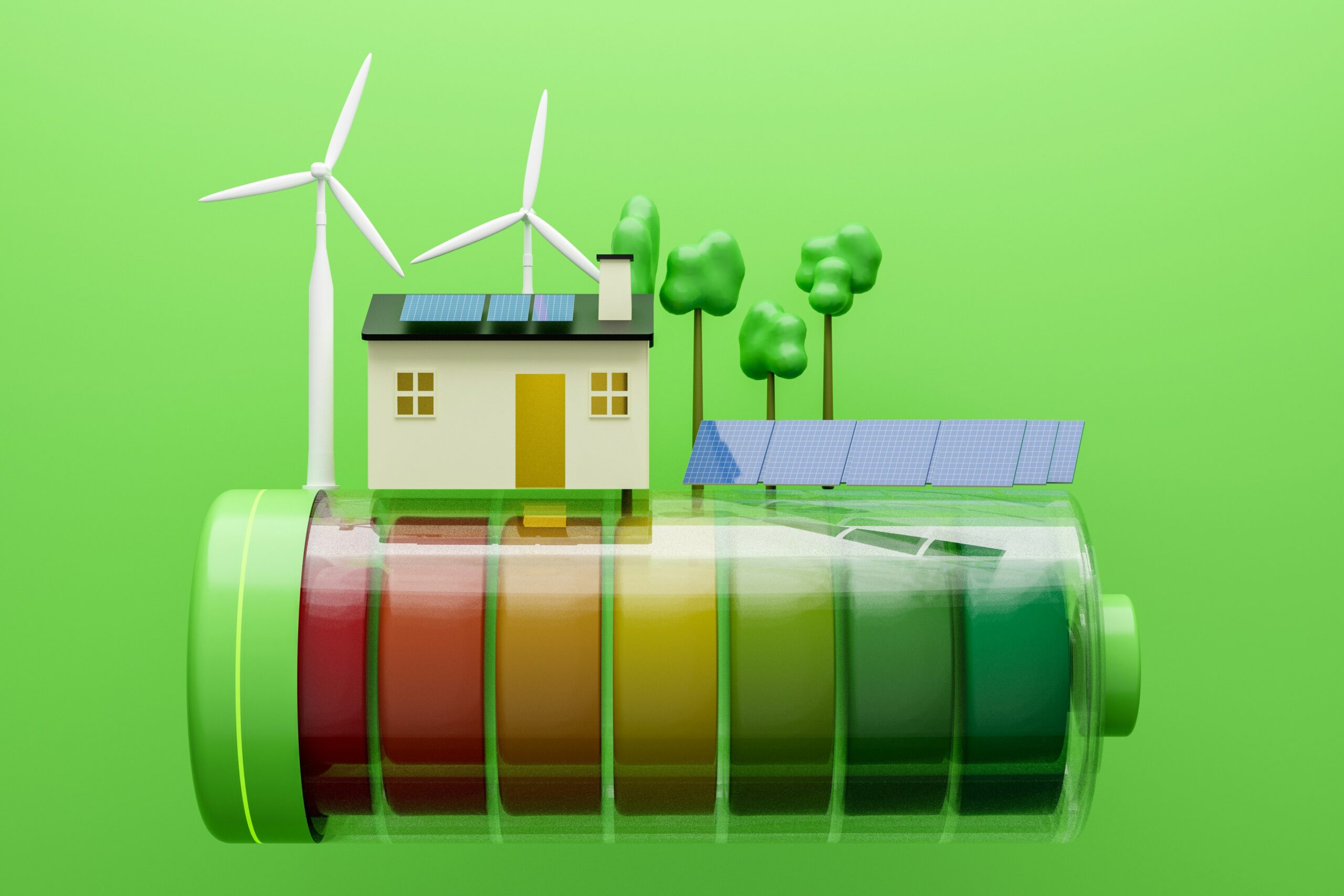
To combine different sources of energy, like wind and solar, we need better ways to store them. The 2026 roadmap includes plans for grid-scale battery storage to help handle the duck curve, which is the difference between the most solar energy produced and the most energy needed at night.
Skilled Labour
The change needs a new group of engineers. The government has worked with international companies to set up national technical training centres to make sure that a local, skilled workforce can take care of these 2.5 GW projects.
The Geothermal Wildcard
Researchers from groups like the Clean Air Task Force have pointed out Syria’s Superhot Rock geothermal potential, even though solar and wind get most of the news. Some estimates say that using just 1% of Syria’s geothermal resources could replace a large part of its need for fossil fuels. It is still in the testing stage for 2026, but it shows the long tail of Syria’s potential as a clean energy hub.
The Radiant Horizon
Is Syria moving toward clean energy? The data points to a clear yes. The change is no longer a luxury; it is a practical need for the economy to get back on track. Syria is building a dual-track energy system that is stronger than the one that came before it. It does this by combining traditional gas-fired efficiency with a huge rollout of solar and wind.
The 1,000 MW solar panels in southern Syria are more than just kilowatts. They are a sign of a country looking ahead and using its natural climate to power its modern era.