Solar energy is quickly becoming a practical solution for many households and businesses. But before installing a system, it’s important to understand whether permissions or approvals may be required, especially for larger or grid-connected installations.
Do You Need Permission for Solar Installation in Syria?
As solar energy becomes more common across Syria, many households and businesses are asking the same practical question: Do you need permission to install solar panels?
The short answer is that it depends. In many cases, small residential solar systems are installed with limited formal approval requirements. However, larger systems, commercial installations, or grid-connected projects may require regulatory oversight. Understanding how this works is important for anyone considering solar investment or development in the Syrian market.
Why Solar Installations Are Increasing Across Syria
Solar energy adoption in Syria is largely driven by necessity rather than policy incentives. In many areas, grid electricity supply remains inconsistent, which has pushed households and businesses to look for reliable alternatives.
Solar systems offer energy independence and predictable operating costs. For small businesses, clinics, and households, solar power can mean the difference between operating normally and facing daily interruptions. This demand has accelerated installation activity across both urban and rural areas.
Are There National Permits Required for Household Solar Systems?
In many cases, small home solar systems do not need formal national permits. This is because most residential systems are used for backup power or off-grid use and do not connect directly to the national grid.
However, rules can differ depending on your location and the size of your system. Some municipalities may still require basic approval, especially if the installation changes the structure of a building or involves major electrical work.
When Solar Installations May Require Formal Approval
Larger solar projects are more likely to require formal permissions. This typically applies to commercial solar installations, grid-connected systems, and larger-scale distributed generation projects.
Projects that interact with public electricity infrastructure usually require technical compliance reviews to ensure system safety and grid stability. Commercial projects may also require business licensing, engineering approvals, and safety inspections, depending on project size and location.
For foreign investors or large infrastructure developers, regulatory engagement is typically expected as part of project planning.
Why Safe and Proper Solar Installation Still Matters
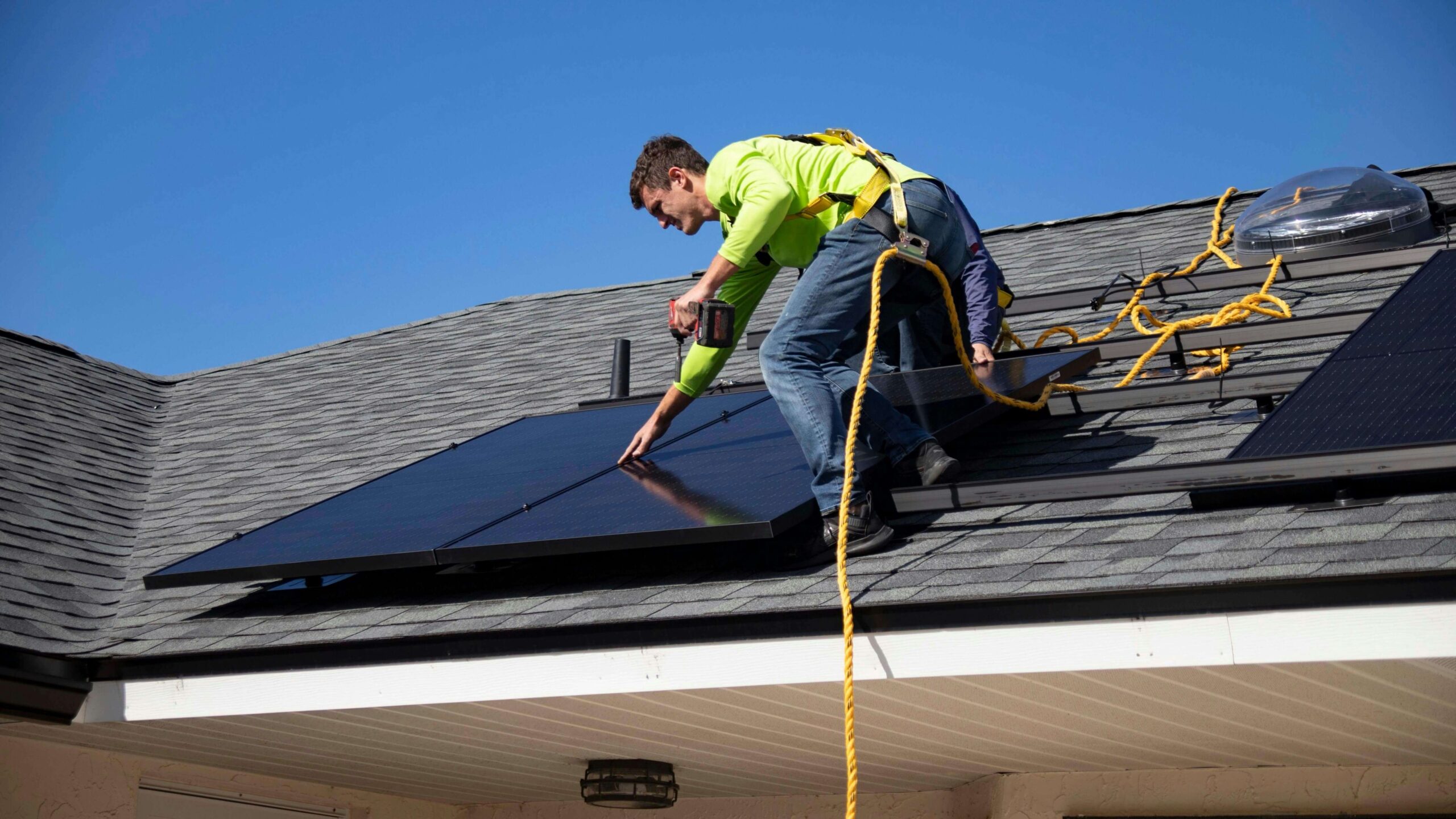
Even in cases where formal permits are limited, technical safety standards are still essential. Solar systems involve high-voltage electricity and structural mounting, which means incorrect installation can lead to electrical hazards, equipment damage, or structural risks to buildings.
Using qualified installers helps ensure systems are designed and installed correctly. This includes proper panel mounting, correct inverter sizing, safe wiring, grounding, and balanced load distribution within the building’s electrical system. A properly installed system not only improves safety but also helps maximise performance and lifespan.
For larger commercial or institutional systems, technical requirements become more complex. These projects often require engineering design and detailed electrical planning to ensure safe operation and long-term reliability, especially when systems operate alongside existing electrical infrastructure.
How Solar Regulation May Change in the Future
As solar adoption increases, regulatory frameworks may become more formalised over time. Governments often introduce clearer standards once distributed energy reaches certain scale levels.
Future regulation may focus on safety, grid integration standards, equipment certification, and installer qualification requirements. For investors and project developers, monitoring regulatory developments will remain important.
What This Means for Solar Investment in Syria
From an investment perspective, Syria’s solar market is still developing. In many ways, this creates flexibility, but it also means regulatory clarity can vary.
Investors typically benefit from taking a structured approach, including technical due diligence, local legal consultation, and partnership with experienced installation providers. This reduces regulatory uncertainty and improves project execution reliability.
The Way Ahead
Solar energy is becoming a practical energy solution for many Syrian households and businesses. While formal permitting requirements vary depending on system size and location, understanding local processes is key to successful project implementation.
As Syria continues rebuilding infrastructure and expanding its energy mix, solar regulation will likely evolve alongside market growth. For now, solar installation decisions are often shaped by local conditions, technical requirements, and project scale rather than a single national approval framework.