Syria is not yet a country with a long list of large operational solar farms — and any article that tells you otherwise isn’t giving you an accurate picture. The reality is more nuanced, and for investors, far more interesting: Syria is a country with extraordinary solar potential, a government actively courting foreign investment, a transformative $7 billion energy deal already signed, and a pipeline of large-scale solar projects that didn’t exist two years ago.
Understanding what exists today, what is under development, and what the investment framework looks like is essential for anyone considering Syria’s emerging renewable energy sector.
Syria’s Solar Potential: Why It Matters
Syria’s geography makes it one of the most naturally well-suited countries in the Middle East for solar energy development. The country enjoys more than 300 days of sunshine per year, with average daily sunshine duration of 9 to 13 hours depending on location. The southern desert regions — which account for a substantial portion of Syrian territory — experience intense, consistent solar irradiance that rivals the best solar conditions anywhere on earth.
For decades, that potential went largely untapped. The country’s energy infrastructure was built around oil and gas, and the civil war that began in 2011 damaged between 60% and 70% of the power transmission network, crippled major generation plants, and left the country dependent on private diesel generators for basic electricity. At its worst, Syrians in major cities were receiving fewer than four hours of grid electricity per day.
The lifting of international sanctions has fundamentally changed the investment landscape and for the first time in over a decade, international companies can engage with Syria’s energy sector without the restrictions that previously made it off-limits for most Western and Gulf investors.
Existing Solar Infrastructure: What Is Currently Operational
To be direct with investors: Syria does not currently have a catalogue of large, operational utility-scale solar farms in the way that countries like Saudi Arabia, the UAE, or Egypt do. The civil war effectively halted development of large infrastructure projects for over a decade, and the grid-scale solar sector is in its early stages.
What does exist is a significant and growing base of distributed, off-grid, and small-scale solar installations. Faced with a collapsing national grid, Syrian households, businesses, hospitals, and farms have installed rooftop solar and battery storage at remarkable scale — driven not by policy incentives but by necessity. This grassroots solar adoption has created a population that is both familiar with and dependent on solar technology, and it has built local technical capacity that larger projects will be able to draw on.
The 100 MW Damascus Solar Station
The most significant grid-connected solar project to have progressed through planning and announcement stages is a 100 MW solar power station planned for the Damascus area. This project has been referenced consistently in Syrian government energy planning and represents the country’s most advanced large-scale solar initiative. As of mid-2025, it was in development stages with agreements in place, though construction timelines remain subject to the broader stabilisation of energy infrastructure and grid repair.
Agricultural Solar Initiatives
Across Syria’s north and east — regions with significant agricultural land and high solar irradiance — distributed solar systems have been deployed to power irrigation and farm operations. The DAARNES project, led by the International Center for Agricultural Research in the Dry Areas (ICARDA), is using data analytics to optimise the deployment of solar energy systems for agricultural use, reducing farmers’ dependence on diesel and building a replicable model for rural energy access. While not large-scale utility solar, these initiatives are building the supply chain and technical skills that grid-scale development will require.
Rooftop and Off-Grid Systems
Syria’s distributed solar sector — rooftop panels, hybrid inverter systems, and battery storage — has grown rapidly out of necessity rather than policy. According to IRENA, total installed solar capacity reached approximately 60 MW by 2023, comprising roughly 58 MW of on-grid solar PV and 2 MW of off-grid systems. This figure significantly understates actual installed capacity when informal and unregistered systems are included, as household solar adoption has accelerated sharply since 2020.
The Major Projects in Development: The Investment Pipeline
This is where the picture for investors becomes genuinely compelling. In 2025 and 2026, Syria has moved from announcing intentions to signing binding agreements — and the scale of what is now in the pipeline is transformative relative to what currently exists.
The $7 Billion Qatar-Turkey-US Energy Deal
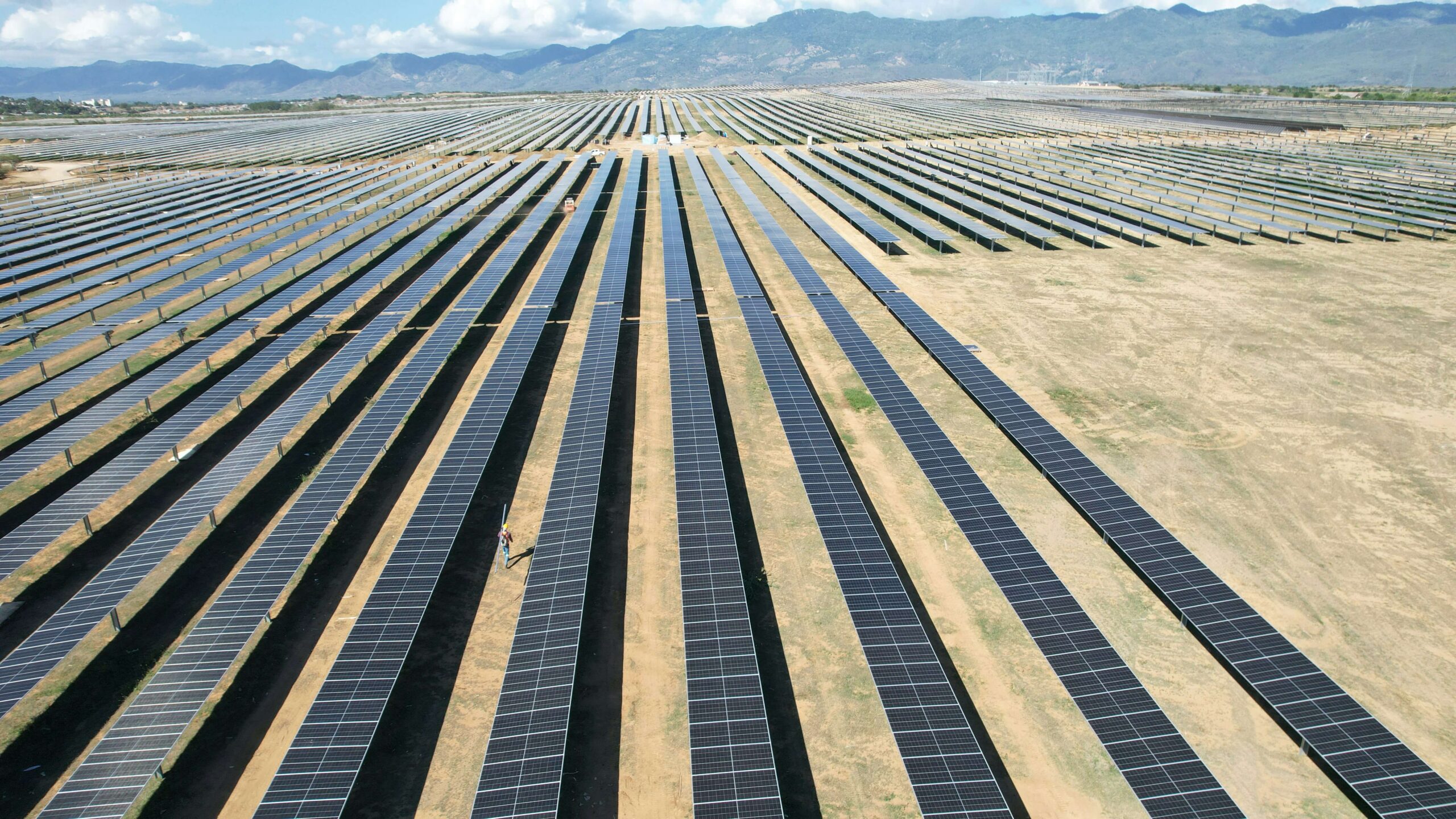
In May 2025, Syria signed a landmark memorandum of understanding with a consortium of Qatari, Turkish, and American companies for energy projects valued at approximately $7 billion. The deal covers four combined-cycle gas turbines with a combined generating capacity of approximately 4,000 MW — and critically for solar investors, a 1,000 MW solar farm located in southern Syria. The projects are expected to supply more than half of Syria’s current electricity demand when operational. This is the single largest energy investment commitment in Syria’s post-war history and represents a clear signal that major international players are prepared to put capital to work in the country.
The UAE 300 MW Solar Plant Agreement
Syria is also moving forward with a 300 MW solar power plant in collaboration with a UAE-based company — the first in a series of planned solar and wind facilities intended to generate a combined 3,000 MW. This project forms part of a broader $7 billion agreement with the UAE firm that also encompasses the refurbishment of existing power plants and the expansion of the national grid.