In recent years, one of Syria’s most urgent issues has been energy security. Economic productivity, healthcare, education, telecommunications and household well-being are all supported by consistent access to electricity. However, the nation has had to deal with high generation costs, ageing infrastructure, fuel supply constraints and ongoing electricity shortages. In light of this, solar energy has become a viable means of improving national energy security.
Comprehending Energy Security In The Syrian Setting
The continuous supply of energy at a reasonable cost is referred to as energy security. This entails stabilising grid infrastructure, lowering reliance on imported fuels, managing growing demand, especially during the summer and winter months and guaranteeing steady electricity generation for Syria.
Fossil fuels have been a major component of Syria’s traditional power generation. Electricity output decreases when infrastructure is strained or fuel supplies fluctuate. Power rationing, a greater need for private generators and increased expenses for homes and businesses are the outcomes of this.
An alternative model is provided by solar energy, which decentralises generation, makes use of the plentiful sunshine and lessens reliance on fuel logistics.
The Solar Advantage Of Syria
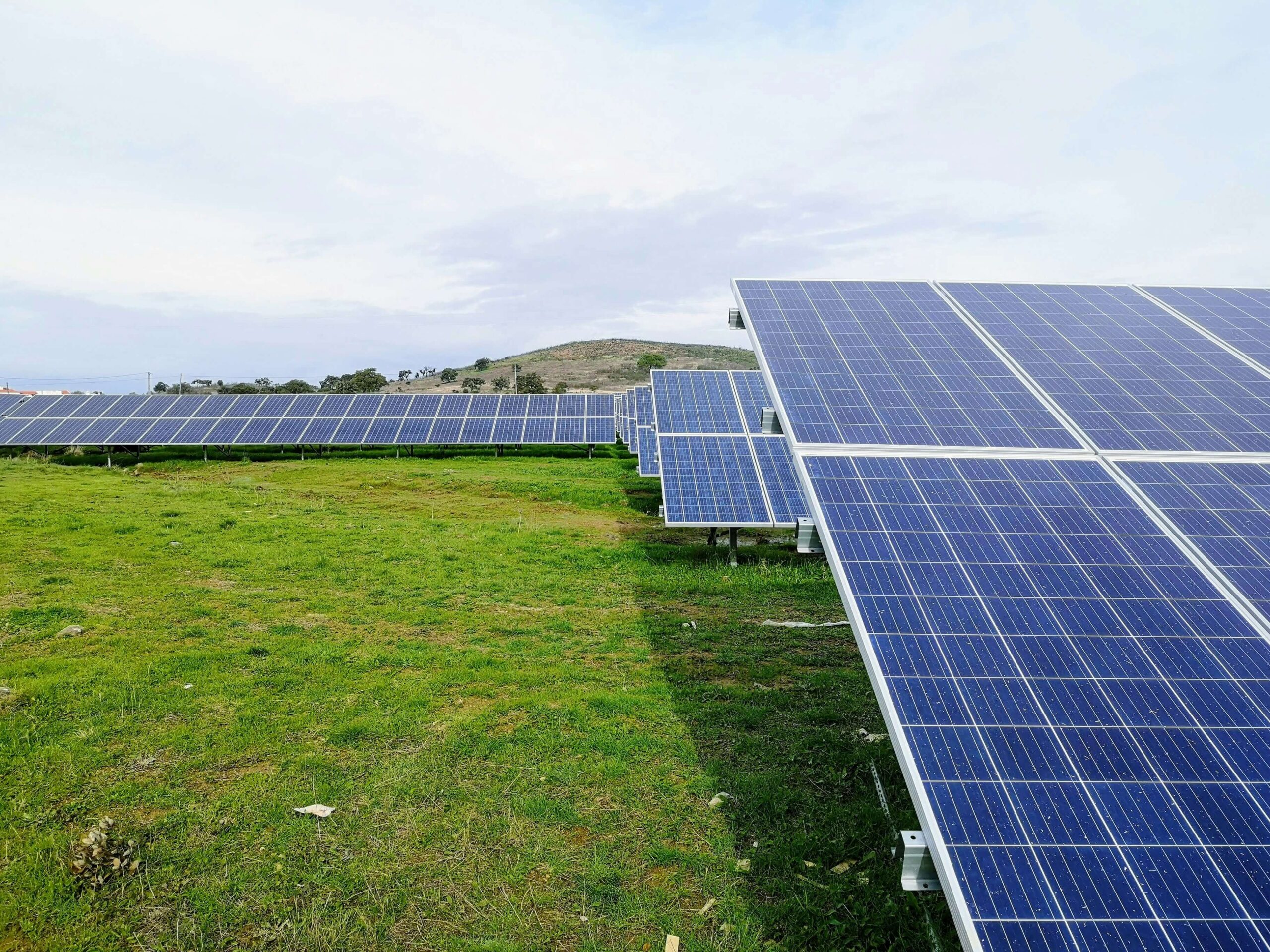
Syria is ideally situated to develop solar energy. Photovoltaic (PV) systems can function effectively all year round due to the country’s high levels of solar irradiation and more than 300 sunny days. Due to the abundance of sunlight in the areas surrounding Damascus, Homs and Aleppo, rooftop and ground-mounted systems are practical in both urban and rural environments.
Because of this inherent benefit, solar energy has the potential to become a major contributor to the production of electricity rather than just a supplemental energy source.
Decreasing Reliance on Fuel Imports
Reducing dependency on fuel imports is one of the most important ways solar enhances energy security. The energy system is susceptible to price volatility, supply interruptions and currency fluctuations when a significant portion of the fuel used to generate electricity is imported.
After installation, solar power systems don’t need fuel. Upfront installation and recurring maintenance are the main expenses. Syria can lessen the strain on its foreign exchange reserves and protect itself from changes in the world fuel market by diversifying its energy mix with locally produced solar power.
This lessens vulnerability to external energy shocks and increases economic resilience over time.
Decentralisation Makes Resilience Stronger
Decentralisation is yet another important benefit of solar energy. Solar systems can be placed on private rooftops, farms, commercial buildings and industrial facilities, in contrast to massive centralised power plants.
Decentralised solar installations have become more and more popular in Syria among small businesses, households and farmers. Families can use rooftop systems to power vital appliances, internet access, lighting and refrigeration without relying on the grid.
Resilience is improved by this distributed generation model. The network as a whole is less susceptible to interruptions when power generation is dispersed among thousands of tiny systems as opposed to being concentrated in a few plants.
Assisting with Essential Services
Maintaining vital services is just as important to energy security as homes. Consistent electricity is essential for schools, hospitals, water pumping stations and telecommunications towers.
Critical infrastructure can have backup power from solar installations combined with battery storage systems. Solar-plus-storage systems can guarantee that clinics maintain vaccines, water systems keep pumping and communication networks stay up and running in places with irregular or limited grid supply.
Solar energy directly supports public health and social stability by stabilising vital services.
Job Creation and Economic Stability
Economic development and energy security are related. Reliable electricity promotes the expansion of small businesses, allows factories to run more efficiently and lessens the need for costly diesel generators.
The growth of Syria’s solar industry opens up new business prospects in electrical engineering, component distribution, installation and maintenance. The domestic energy ecosystem is strengthened and reliance on outside technical assistance is decreased when local expertise is developed.
Furthermore, installation costs are continuing to decrease as solar technology becomes more accessible worldwide. This increases accessibility for small businesses and middle-class households, increasing involvement in energy production.
Obstacles to Take Into Account
Even though solar has many advantages, it is not a comprehensive solution by itself. Seasonal fluctuations affect solar generation, which is sporadic—it generates electricity during the day. In the absence of adequate battery storage or grid integration techniques, solar systems might not be able to completely satisfy demand at night.
Furthermore, even with long-term savings, some households still find upfront costs to be a barrier. Adoption would be accelerated by increasing financing options, incentives and microcredit.
Modernising the grid is also crucial. Infrastructure improvements and smart-grid solutions are required to effectively manage variable supply in order to fully integrate larger-scale solar farms.
A Strategic Long-Term Asset
Solar energy is a long-term strategic advantage for Syria in spite of these obstacles. It is a potent instrument for improving national energy security because of its capacity to diversify the energy mix, lessen reliance on fuel, decentralise power generation and stabilise vital services.
Crucially, solar is in line with worldwide movements toward greener and more sustainable energy sources. Solar’s dependability and base-load supply contribution will only increase as technology advances and battery storage becomes more reasonably priced.
In conclusion; does solar energy enhance Syria’s energy security, then? There is compelling evidence that it does. Syria can create a more secure, stable and sustainable energy future. It can do this by utilising its inherent solar advantage, promoting decentralised adoption and investing in grid modernisation and storage.