Syria gets more than 3,000 hours of sunshine a year and has wide open spaces, so it seems like it would be a great place to lead the region in solar energy. Its location on the map gives it high levels of solar irradiation that are comparable to those of some of the best solar-producing countries in the world.
So why hasn’t solar power become popular in Syria? The answer is a mix of economic, regulatory, infrastructural and technical problems.
High Initial Costs and Low Buying Power
Cost is one of the biggest things that keeps people in Syria from using solar power. It costs a lot to set up solar systems at first. Many families and small businesses can’t afford the upfront costs of panels, inverters, batteries, wiring and installation services.
Solar can save money over time, but most families can’t afford the initial investment. Also, battery storage systems, which are necessary for reliable off-grid or backup solutions, are very expensive and need to be replaced every so often. These costs that happen over and over again can make people less likely to invest for the long term.
It is still hard to get financing. In many countries where solar energy is popular, people can get green loans, leasing programs or government subsidies that make it easier for them to pay for solar energy. These kinds of financing options are still not very well developed in Syria, which makes it hard for homes and businesses to spread the cost of installation over time.
Weak Financial Infrastructure and Barriers to Investment
The solar market is also affected by more general financial problems, not just the cost of solar panels. The slow growth of renewable energy infrastructure is due to unstable currencies, limited access to international banking systems and problems attracting foreign investment.
Most of the time, investors want clear incentives, stable markets and predictable rules. When there is financial uncertainty, it is harder to get money for big solar projects like utility-scale solar farms. The sector depends on small, private installations instead of coordinated national projects because there isn’t much institutional investment.
The lack of long-term renewable energy plans and partnerships between the public and private sectors has also slowed things down. For solar development to work, policymakers, investors and infrastructure providers need to work together to plan and that level of integration is still changing.
Regulatory And Policy Gaps
To speed up the use of renewable energy, there needs to be clear rules and rewards. Feed-in tariffs, tax credits, net metering systems and renewable energy mandates have all helped solar power grow in many countries. These tools make it more likely that people and businesses will put money into clean energy.
The rules for renewable energy in Syria are still being worked out. There have been efforts to get people to use solar energy, but there aren’t many comprehensive policies that give investors and consumers long-term peace of mind. If there aren’t any structured incentives, solar energy competes directly with conventional energy sources that get government money. This can make it seem less appealing in the short term.
Also, the fact that there are no standard rules for installation and quality control can make the system work in different ways. When people have problems with the installation or the equipment, they lose faith in solar technology, which slows down its use in general.
Supply Chain and Import Challenges
Solar energy systems rely on a lot of parts that come from other countries, such as photovoltaic panels, inverters and advanced battery systems. Import limits, shipping delays and changing exchange rates can all make things more expensive and harder to find.
Installation companies have a hard time growing their businesses when equipment is hard to find or expensive. Sometimes, lower-quality or used equipment is sold at lower prices, but this usually means that systems last less time and work less well. This hurts consumer trust and slows down the growth of the market over time.
A strong local manufacturing base for renewable energy parts could make these problems less likely, but there isn’t enough of that kind of industry yet.
Limitations Of The Grid And Infrastructure
For solar power to become widely used, not only do panels need to be available, but so does the grid. For solar farms to be useful for the country’s electricity supply, they need to be connected to a stable and efficient transmission network.
In many places, the grid needs to be updated so that it can handle decentralised and renewable energy sources. Solar power generation can change based on how much sunlight there is and without grid flexibility or energy storage integration, it is harder to balance supply and demand.
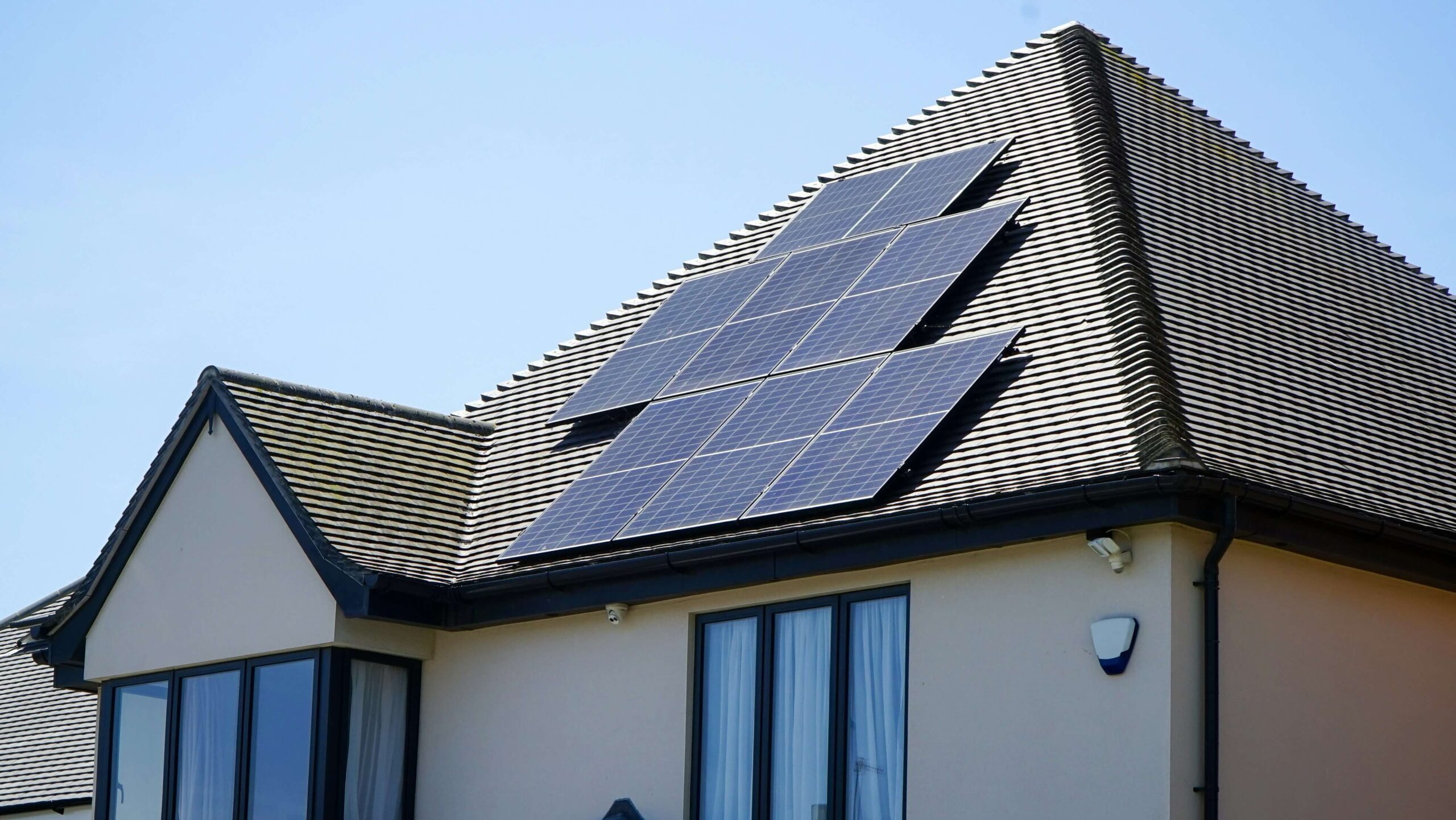
Also, net metering systems, which let homes sell extra electricity back to the grid, aren’t fully in place yet. Without this incentive, the financial return on installing solar panels on roofs isn’t as good.
Technical Knowledge And Gaps In Maintenance
To work well, solar energy systems need to be designed, installed and maintained correctly. When there aren’t enough trained technicians and certified installers, systems can be set up wrong, work less well and break down too soon.
The environment also has an effect. Dust buildup on panels, which is common in dry areas, can greatly lower energy output if the panels aren’t cleaned often. As installation grows, so must the infrastructure for maintenance and technical service.
Long-term market sustainability depends on building a skilled workforce in the renewable energy sector through technical education and training programs.
Not Enough People Know About It, and Lacking Long-Term Planning
Even though more people know about solar energy, some people still don’t know how switching to renewable energy can save them money in the long run. Adoption may be delayed if people can’t easily find information about return on investment, energy savings and environmental impact.
Planning energy use on a national level is also very important. For big changes to renewable energy to happen, there needs to be clear long-term goals, integration plans and government support. When planning is not well-organised or only looks ahead a short time, the deployment of renewables tends to grow slowly.
The Way Ahead
Even with these problems, solar energy in Syria has a lot of potential. Gradual improvements in financing methods, clearer rules, modernising the grid and technical training could all speed up adoption by a lot. The sector would be even stronger with more international partnerships, renewable investment frameworks and local experts.
Syria does have solar energy and it is growing steadily. But for it to really take off, structural changes and coordinated policy support are needed. There is a strong foundation for a better solar future because there is a lot of sunlight and more people are interested in being energy independent. The key is to turn potential into progress that is organised and can be scaled up.