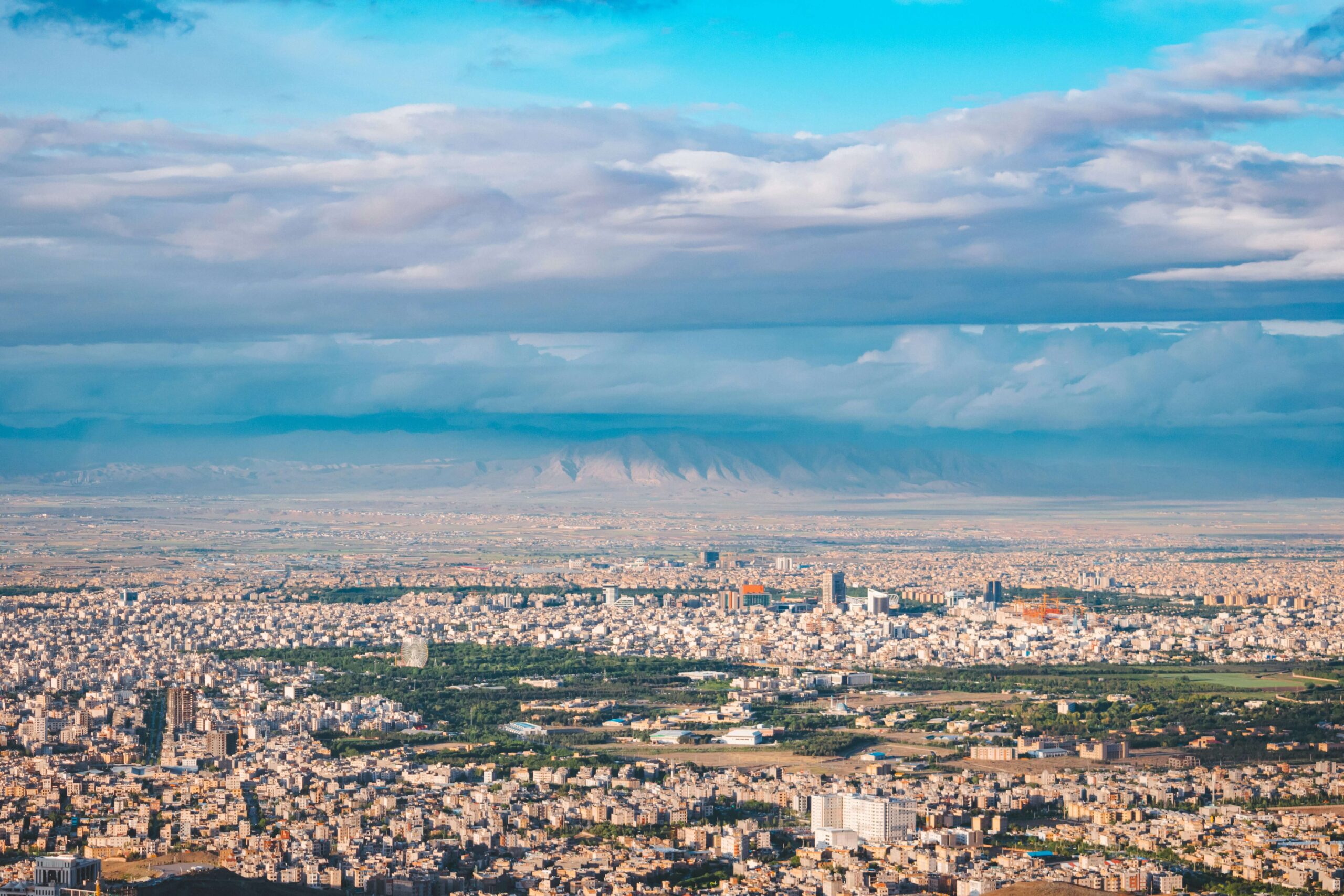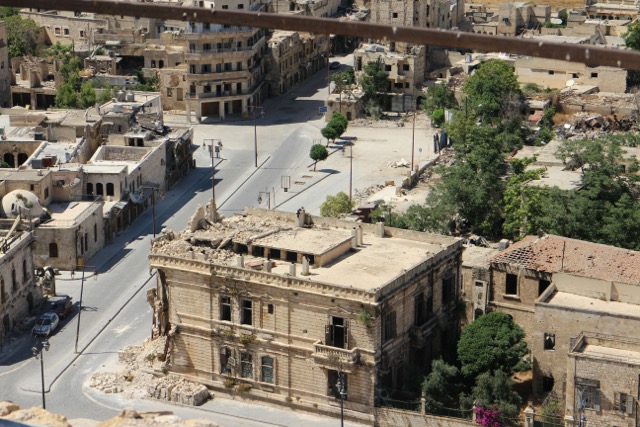
Syria’s economic activity is not spread evenly across the country. It is anchored in a handful of key cities that each play a distinct and important role in the national economy. For foreign investors and businesses looking to enter the Syrian market, understanding which cities drive which sectors, and what opportunities each one currently offers, is an essential starting point. From the capital’s financial institutions and government bodies to Aleppo’s industrial zones and the coastal ports of Latakia and Tartus, each city brings its own strengths, infrastructure, and investment pipeline. This guide breaks down Syria’s main business cities, what makes each one significant, and what you need to know before deciding where to focus your attention.
What is the Business Culture Like in Syria’s Main Cities?
Relationship-building, individual trust, and family reputation are fundamental to Syrian business culture. Rather than relying solely on formal contracts, decisions are frequently based on enduring relationships and the advice of reliable middlemen. Understanding how local dynamics differ across the nation’s major economic areas is essential to successfully navigating the market.
Which Syrian Cities Have the Strongest Talent Pools for Businesses?
Damascus and Aleppo, which lead in administrative, technological, and economic skills, are home to Syria’s best talent pools for enterprises. Verified local talent is now easily accessible for business, tech, and rebuilding projects thanks to the repatriation of seasoned individuals from the Gulf and Europe.
What Does the Future Look Like for Syria’s Main Business Cities?
The restoration of foreign direct investment, strategic reintegration into regional trade corridors, and extensive, multibillion-dollar reconstruction are key to the future of Syria’s major commercial cities, such as Damascus, Aleppo, and Latakia. While uncertainties exist, the transfer to new leadership and the easing of key international sanctions have opened the path for rapid urban and economic transformation.
What Are the Main Cities for Business Activity in Syria?
Most of Syria’s population and previous economic development are concentrated in the western corridor through the cities of Aleppo, Hama, Homs, and Damascus. The coastal area, particularly Latakia and Tartus, attracts investment due to its tourism potential and relatively stable economy, while Damascus and its countryside remain the country’s administrative and financial centre. Major business zones in Syria, including Damascus, Aleppo, Latakia, and Homs, have achieved strong safety ratings in 2026, with companies now operating successfully across these cities
What Industries Drive Business in Damascus?
Damascus serves as Syria’s administrative and financial centre, and the Damascus–Homs–Latakia route, connecting the capital to Syria’s primary Mediterranean port, functions with reasonable reliability. The city’s primary business industries include:
- Government and public administration
- Finance and banking
- Real estate and construction
- Retail and consumer services
- Telecommunications
What Industries Drive Business in Homs?
Homs offers opportunities related to agriculture, trade routes, and reconstruction, sitting at the centre of Syria’s road network and serving as a critical link between Damascus, Aleppo, and the coast. Key industries in Homs include:
- Industrial free zones
- Energy and refining
- Agriculture and agribusiness
- Construction and reconstruction
- Trade and logistics
What Industries Drive Business in Tartus?
After cancelling an existing contract with a Russian firm, Syria announced an agreement with Dubai-based logistics company DP World for the management of the Tartus port, demonstrating an appetite for long-term infrastructure commitments.
Key industries in Tartus include:
- Port operations and logistics
- Maritime trade
- Tourism and marina development
- Real estate
- Energy infrastructure
What Industries Drive Business in Hama?
Hama offers opportunities related to agriculture, trade routes, and reconstruction, with the Syrian Investment Agency identifying it as one of the central regions with the highest concentration of investment opportunities. Syria’s best agricultural lands and the majority of its water resources are found along the central corridor where Hama sits, making it one of the country’s most productive agricultural regions. Industries driving business in Hama include:
- Agriculture
- Food processing and agribusiness
- Water infrastructure
- Light manufacturing
- Reconstruction and construction
What Are the Best Cities in Syria for Real Estate Investment?
Commercial real estate in Damascus and Aleppo is seeing renewed interest from diaspora investors, with firms handling dozens of property transaction inquiries monthly from clients in the Gulf, Europe, and North America. Real estate construction is attracting significant Gulf investment. For residential real estate, Damascus leads given its role as the administrative capital, while the coastal cities of Latakia and Tartus are increasingly attractive for tourism-linked property development.
What Are the Best Cities in Syria for Manufacturing Investment?
Aleppo’s industrial zones are seeing renewed activity, with light manufacturing historically concentrated around Aleppo and Damascus forming the backbone of Syria’s pre-conflict industrial base. Aleppo is the home of Syria’s textile industry, and the northern plains stretching east of the city are the heart of its cotton production. Homs is also emerging as a strong manufacturing destination, with its active free zones and central location making it well-positioned for industrial investment as Syria’s economy continues to stabilise.
What Are the Best Cities in Syria for Tourism Investment?
The coastal cities of Latakia and Tartus are the strongest candidates for tourism investment, with both cities benefiting from Mediterranean coastlines, growing resort development pipelines, and significant interest from Gulf investors. Tourism investment has resumed in Syria, though arrivals remain well below pre-conflict levels, suggesting significant upside potential as stability improves. Damascus also presents strong tourism investment opportunities given its status as one of the world’s oldest continuously inhabited cities, with its historic old city, traditional souks, and cultural heritage sites drawing growing visitor interest as international access improves.