Syria has experienced ongoing electricity shortages for several years, with many areas receiving only a limited number of hours of power from the national grid each day. As a result, households across the country have increasingly searched for alternative ways to secure reliable electricity for everyday needs.
Solar energy has emerged as one of the most practical solutions. With strong sunlight throughout the year and falling technology costs, more Syrian households are installing small-scale solar systems to power lighting, refrigeration, communication devices, and water pumps.
Is Residential Solar Energy Adoption Growing in Syria?
Residential solar energy adoption in Syria has increased significantly in recent years. The widespread electricity crisis and damage to the national power grid have encouraged households to invest in independent energy solutions that provide more reliable power.
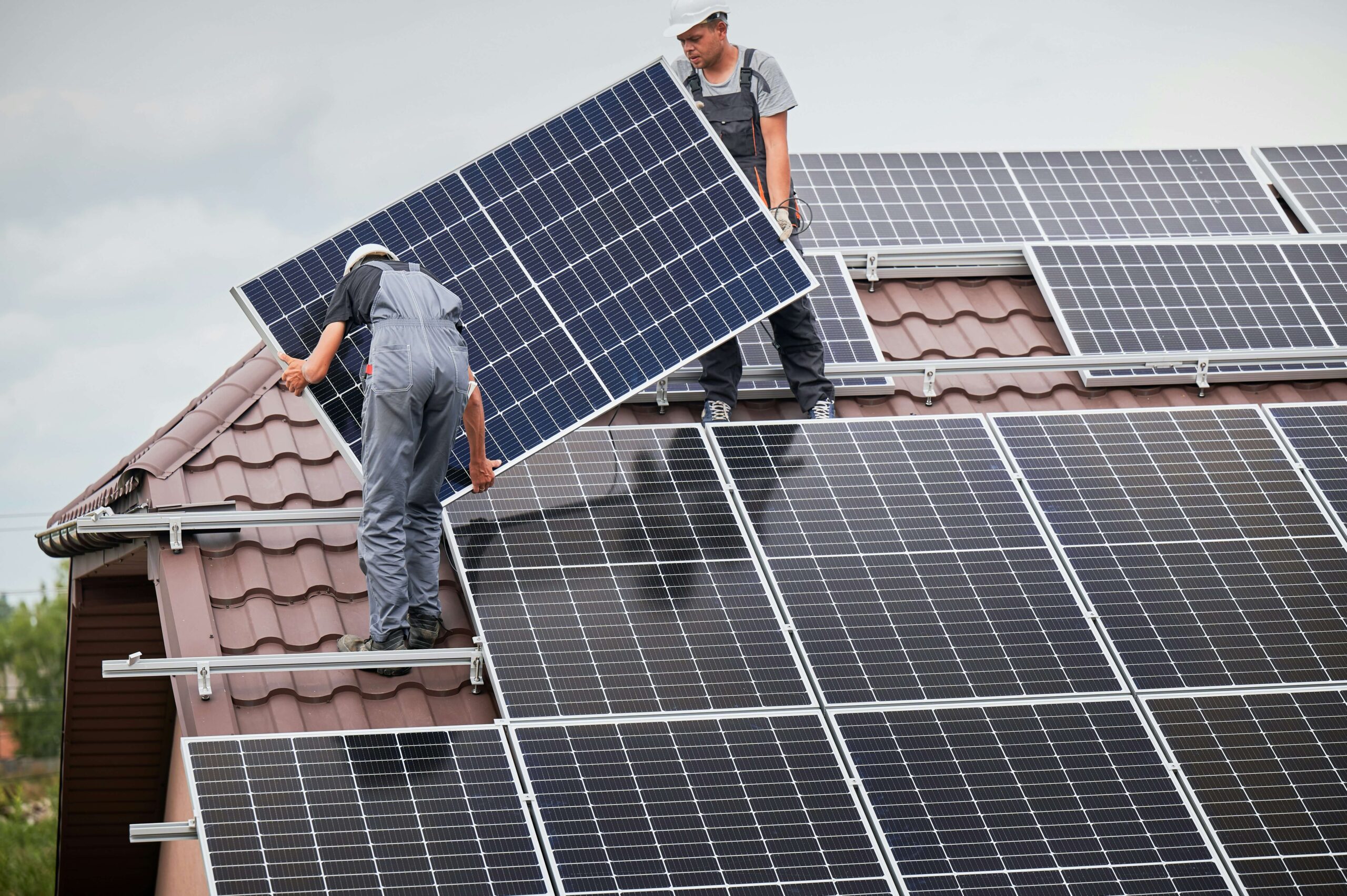
In many cities and rural communities, rooftop solar systems have become increasingly common. These systems allow households to generate electricity during the day while storing excess energy in batteries for use during the evening or when grid electricity is unavailable.
As the demand for stable electricity continues to grow, residential solar systems are becoming an essential part of daily life for many Syrians.
Why Syrian Households Are Turning to Solar Energy
Frequent power outages are one of the main reasons households are adopting solar systems. In some areas, electricity from the national grid is available for only a few hours each day, making it difficult for families to rely on traditional power sources.
Many households previously depended on diesel generators to meet their electricity needs. However, generators can be expensive to operate due to rising fuel prices, supply shortages, and ongoing maintenance costs.
Solar energy offers a more stable alternative. Once installed, solar systems can generate electricity without relying on fuel supplies, allowing households to reduce their dependence on costly generator power.
How Residential Solar Systems Are Being Used
Residential solar systems in Syria are commonly used to power essential household needs. These systems typically support lighting, refrigeration, mobile phone charging, internet devices, and small appliances.
In some homes, solar energy is also used for water pumping and heating systems. Hybrid systems that combine solar panels with battery storage allow households to store electricity for use at night or during extended power outages.
Most residential installations are relatively small, usually ranging between one and five kilowatts, which is sufficient to support the basic energy needs of a household.
What Challenges Affect Residential Solar Adoption in Syria?
Although residential solar adoption is growing across Syria, several challenges still affect how quickly households can install solar systems. Economic pressures, supply limitations, and market conditions all influence the speed of adoption.
Understanding these barriers helps explain why solar energy, despite its clear benefits, has not yet reached its full potential across the residential sector.
High Upfront Installation Costs
One of the biggest barriers to residential solar adoption is the high upfront cost of installation. Purchasing solar panels, batteries, and inverters and paying for installation requires a significant initial investment.
For many Syrian households, this cost can be difficult to afford despite the long-term savings solar energy can provide. Limited access to financing or payment plans also makes it harder for lower-income families to invest in solar systems.
Limited Access to Financing
In many countries, households can install solar systems through financing plans, loans, or government incentives. In Syria, these financing options are still limited.
Without accessible financial support, many families must pay the full cost of installation upfront. This slows adoption, particularly in communities where purchasing power is already constrained.
Quality and Equipment Availability
Another challenge is the availability of reliable solar equipment. In markets with weaker regulatory oversight, lower-quality or counterfeit solar products may enter the supply chain.
These products can reduce system efficiency and shorten the lifespan of solar installations. This can also discourage potential buyers who are concerned about reliability and long-term performance.
Technical Knowledge and Maintenance
Solar systems require proper installation and maintenance to operate efficiently. In some areas, there is still a shortage of trained technicians who can install and service solar systems.
Expanding technical training and education in the renewable energy sector will be important to ensure solar systems are installed correctly and continue operating effectively over time.
The Future of Residential Solar Energy in Syria
Despite these challenges, residential solar energy is expected to continue growing across Syria. As electricity shortages persist and households seek more reliable energy sources, solar power is likely to remain an attractive solution.
Improved access to financing, stronger regulatory standards, and continued investment in renewable energy infrastructure could further support this growth. With strong natural solar resources and increasing demand for electricity, residential solar systems are becoming an important part of Syria’s evolving energy landscape.