Syria’s energy sector is undergoing a period of reconstruction and transition. Years of conflict have damaged power-generation facilities, transmission infrastructure and distribution networks, leaving many communities and businesses with unreliable access to electricity. According to UNDP, more than 70% of Syria’s power plants and transmission lines have sustained significant damage, while national electricity-generation capacity has fallen substantially from pre-conflict levels.
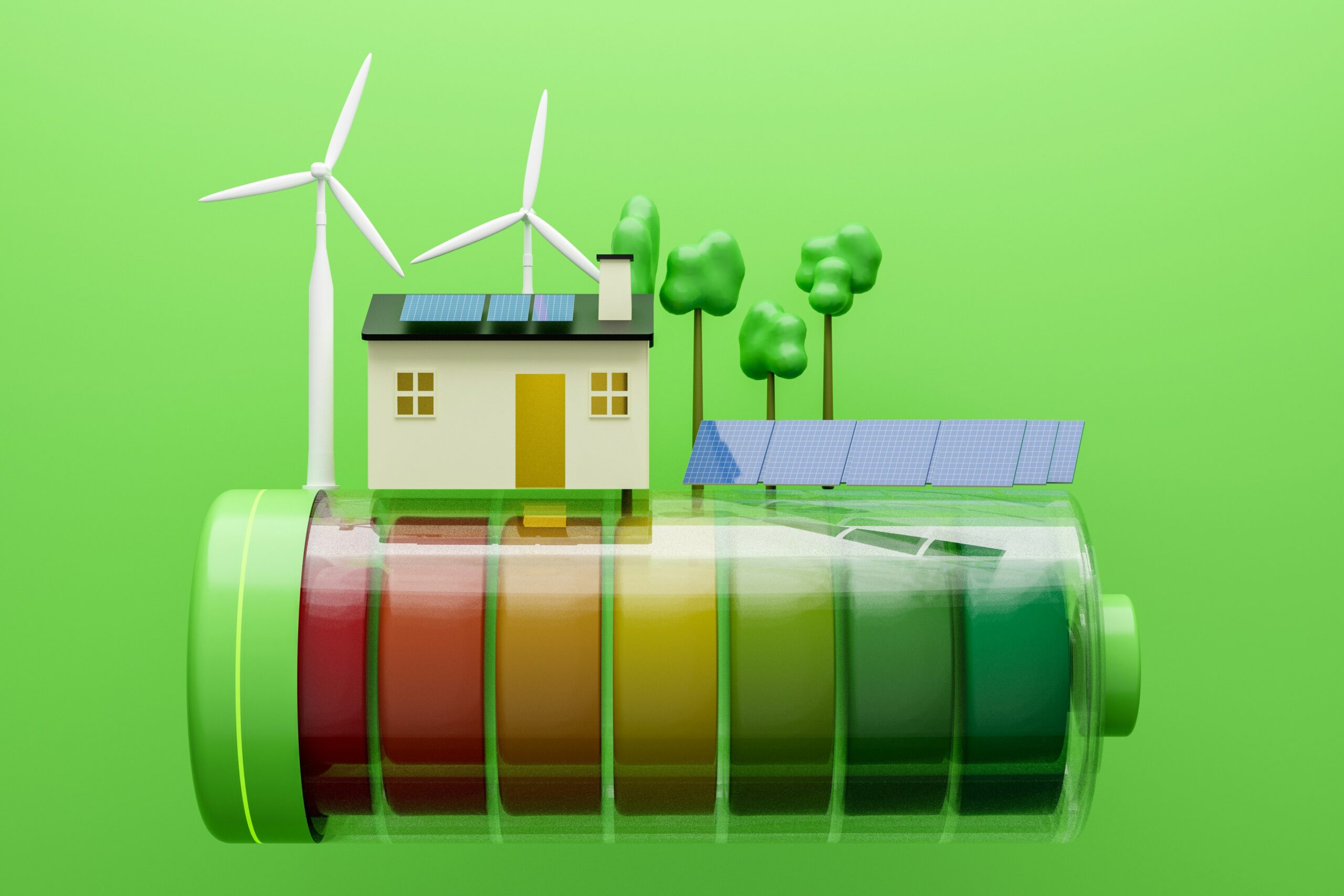
Against this background, renewable energy—particularly solar power—is becoming an increasingly important part of discussions around Syria’s future electricity system. Energy storage technology can play an important supporting role by allowing electricity generated during periods of high renewable production to be stored and used when generation falls or demand rises.
For investors, this creates potential opportunities not only in solar generation itself, but also in batteries, energy-management systems, installation, maintenance and supporting infrastructure.
Why Energy Storage Matters for Syria
Solar energy has an inherent limitation: photovoltaic panels produce electricity primarily during daylight hours, while electricity demand continues into the evening and night.
Battery energy-storage systems can address part of this mismatch. Electricity generated during the day can be stored and subsequently supplied when solar production decreases. This can be particularly relevant in a country where grid reliability remains an important challenge.
Rather than viewing batteries simply as backup equipment, energy storage can form part of a broader electricity system in which solar generation, batteries, conventional generation and the national grid operate together.
Solar and Storage as a Combined System
Syria has significant solar potential, making photovoltaic generation a natural area of interest for renewable-energy development.
The country’s renewable-energy planning is already moving toward a more structured approach. In 2025, UNDP and Norway agreed to support the development of a Renewable Energy Master Plan for Syria. The initiative is intended to assess renewable resources including solar, wind and biomass, identify priority programmes and examine how renewable generation can be integrated with existing transmission and distribution infrastructure.
Energy storage can support this integration.
A solar-plus-storage system could, for example, generate electricity during the day, store excess production in batteries and provide electricity during evening hours.
This approach can potentially reduce reliance on diesel generators and other backup sources, while improving the usefulness of intermittent renewable generation.
Battery Storage for Businesses
One of the more immediate applications could be commercial and industrial facilities.
Businesses that depend on continuous electricity, such as factories, food processors, warehouses, telecommunications facilities and commercial buildings—can face significant costs when electricity supply is interrupted.
A solar installation combined with battery storage can provide a degree of energy independence.
Depending on the system design, batteries can:
- Store excess solar electricity
- Provide backup power during outages
- Reduce reliance on diesel generators
- Improve the use of locally generated electricity
- Help manage peak electricity demand
- Support critical equipment during grid interruptions
The commercial case will vary considerably by location, electricity prices, diesel costs, system size and operating requirements.
Off-Grid and Rural Applications
Energy storage may also be relevant outside major urban centres.
Where extending or fully restoring conventional electricity infrastructure is difficult or expensive, solar photovoltaic systems combined with batteries can provide electricity without requiring a continuous connection to the national grid.
Potential applications include:
- Rural businesses
- Agricultural facilities
- Water-pumping systems
- Schools
- Healthcare facilities
- Telecommunications infrastructure
- Small commercial operations
- Community electricity systems
This is particularly relevant to reconstruction because renewable energy can sometimes be deployed incrementally rather than waiting for complete rehabilitation of centralized infrastructure.
UNDP is already supporting electricity and renewable-energy programmes in Syria, including work related to energy access and resilient infrastructure.
Energy Storage and Agriculture
Agriculture could become another important application.
Solar-powered water pumps can reduce dependence on diesel fuel, while batteries can help provide electricity when solar production fluctuates.
For agricultural businesses, storage could also support refrigeration, food processing and other equipment where interruptions can result in product losses.
This creates potential opportunities for integrated projects combining solar generation, batteries and agricultural infrastructure rather than treating energy as a standalone investment.
Supporting a More Flexible Electricity Grid
Large-scale energy storage can also have a role beyond individual buildings.
As the amount of solar and wind generation increases, electricity systems need greater flexibility because renewable generation varies according to weather and time of day.
Battery storage can help by absorbing electricity when supply is high and releasing it when additional electricity is required.
This is becoming increasingly important internationally. The International Energy Agency reported that battery storage was the fastest-growing power technology in 2025, with global additions increasing by around 40% to almost 110 GW.
Syria’s circumstances are different from those of larger established electricity markets, but the underlying technology is becoming increasingly mature and commercially available.
Potential Investment Opportunities
For investors, energy storage creates opportunities across several parts of the value chain.
Battery Systems
Companies could supply batteries for residential, commercial, industrial and larger renewable-energy projects.
Solar-plus-storage Projects
Developers could combine photovoltaic generation with battery systems and sell electricity or provide energy services to customers.
Installation and Maintenance
As installed capacity increases, there will be demand for technicians capable of installing, monitoring, repairing and maintaining equipment.
Energy-management Systems
Software and control systems can optimize when batteries charge and discharge, helping customers make more efficient use of their electricity.
Local Assembly and Manufacturing
Over time, there could potentially be opportunities for local assembly of selected components, although this would depend on market size, investment conditions, supply chains and access to imported components.
Financing Models
Energy-as-a-service and other financing structures could allow businesses to use solar-and-storage systems without making the entire upfront investment themselves.
The Role of the National Grid
Energy storage should not be considered a replacement for rebuilding Syria’s electricity network.
A functioning transmission and distribution system remains essential for a modern economy.
Instead, storage can complement grid reconstruction by providing localized resilience while larger infrastructure is restored and upgraded.
The World Bank’s Syria Emergency Electricity Project includes investments involving solar photovoltaic generation and battery energy-storage systems, as well as standalone solar systems for selected public health and education facilities. The project also includes work on regulatory development and renewable-energy feasibility studies.
This indicates that battery storage is being considered within broader electricity-system development rather than as an isolated technology.
Challenges for Investors
Despite the potential, the storage sector faces several practical challenges for investors looking to enter Syria.
Upfront Costs
Battery systems require significant initial investment. Although battery prices and technology have improved internationally, the overall cost of an installed system also depends on transportation, import duties, installation, financing and maintenance.
Supply Chains
Most advanced battery systems rely on international manufacturing and component supply chains. Investors therefore need to assess import procedures, foreign-exchange availability, logistics and supplier reliability.
Technical Capacity
Storage systems require qualified installation and maintenance. Developing local technical expertise will be important for long-term reliability.
Battery Lifespan and Replacement
Batteries are not permanent infrastructure. Their useful life depends on chemistry, operating conditions, temperature, charging patterns and system management. Investors therefore need to incorporate replacement costs into financial models.
Regulation
As Syria’s electricity market develops, regulations governing private generation, grid connection, electricity sales, tariffs, licensing and energy storage will influence the commercial viability of projects.
The renewable-energy master-planning process supported by UNDP specifically includes consideration of investment requirements, grid integration and institutional capacity.
A Developing Market Rather Than a Mature One
Syria’s renewable-energy and storage market remains at an early stage compared with mature international markets.
This creates uncertainty, but it can also create opportunities for companies capable of operating in developing infrastructure environments.
Investors may find that the most relevant opportunities are not necessarily large utility-scale battery projects at the outset. Smaller distributed systems could be commercially relevant where customers have a strong need for reliable electricity.
Commercial buildings, factories, farms, telecommunications facilities and public institutions could provide potential early markets for solar-and-storage solutions.
What Investors Should Consider
Investors evaluating Syria’s energy-storage sector should assess several factors before committing capital:
- Local electricity availability and reliability
- Solar resource at the proposed site
- Battery technology and expected operating life
- Availability and cost of replacement batteries
- Import and customs procedures
- Foreign-exchange and payment considerations
- Local technical expertise
- Grid-connection requirements
- Electricity tariffs
- Customer ability to pay
- Security and logistics conditions
- Regulatory requirements
- Availability of project financing
The economics of each project are likely to vary substantially, meaning that site-specific feasibility studies will be important.
How to Look Ahead
Energy storage could become an important component of Syria’s renewable-energy development by helping address one of the central challenges of solar power: the difference between when electricity is generated and when it is needed.
The broader reconstruction of Syria’s electricity system is likely to require a combination of conventional generation, renewable energy, transmission infrastructure, distribution networks and storage.
For investors, this means the opportunity may extend beyond battery sales. Potential business models could include project development, equipment supply, installation, maintenance, energy management, financing and integrated solar-and-storage services.
Syria’s renewable sector is still developing, and significant infrastructure, regulatory and financing challenges remain. Nevertheless, the inclusion of solar PV and battery storage in current electricity-recovery planning suggests that energy storage is increasingly being considered as part of the country’s future energy infrastructure.
The long-term potential will depend on how effectively Syria can rebuild its electricity network, establish predictable investment and regulatory frameworks, develop local ltechnical capacity and attract financing for renewable-energy projects.
For investors, energy storage is therefore best viewed not as a standalone technology, but as one part of a broader opportunity to develop a more flexible and resilient electricity system in Syria.