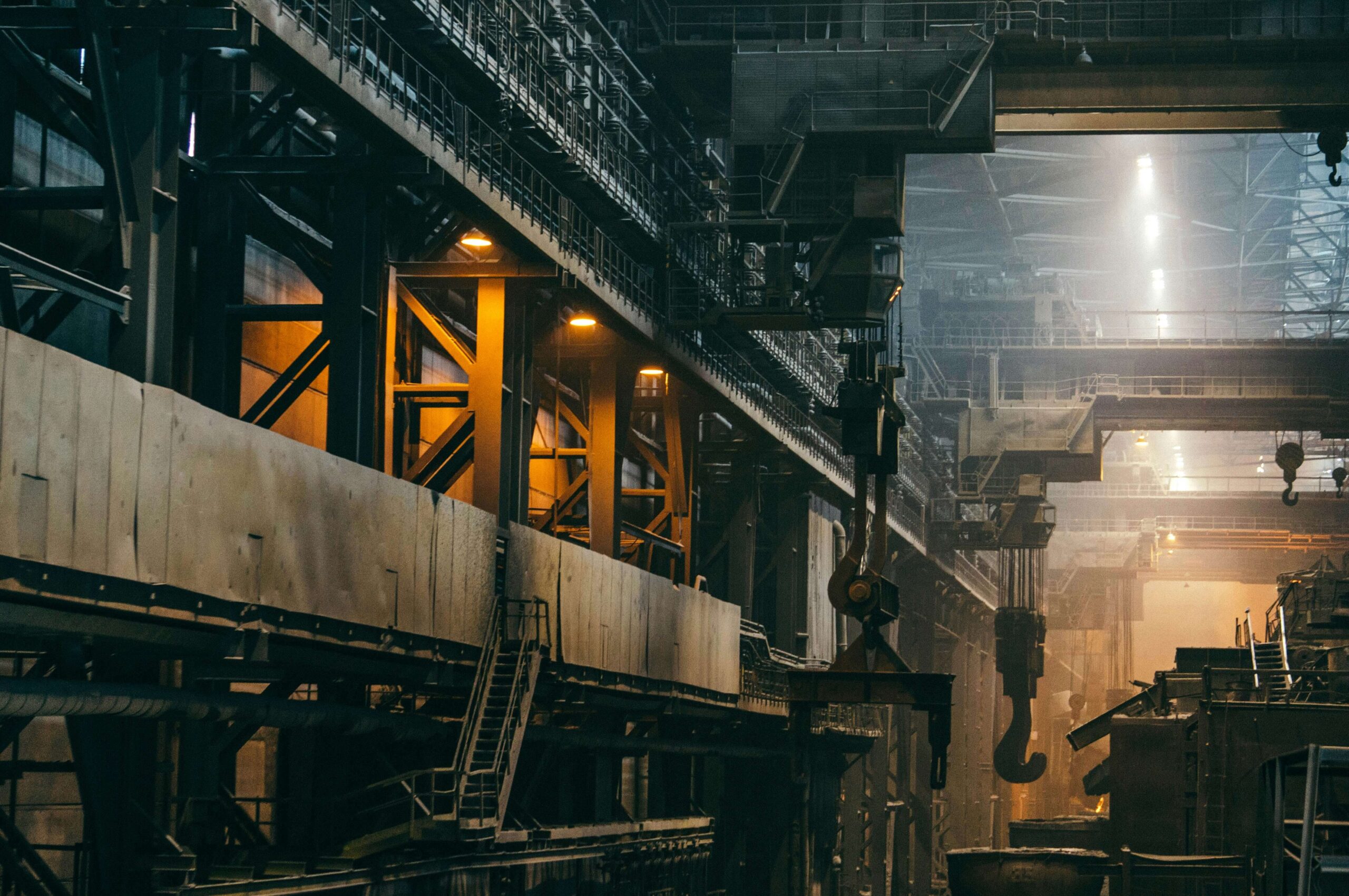
Syria is entering a new chapter of economic development. As reconstruction accelerates and international interest in the country continues to grow, industrial development is expected to become one of the most important drivers of long-term economic recovery. Manufacturing, logistics, construction materials, agriculture, and energy all present significant opportunities for businesses looking to establish a presence in an emerging market.
Why Syrian Industry Matters
A strong industrial sector creates the foundation for sustainable economic growth. Industrial development generates employment, supports exports, strengthens domestic supply chains, and encourages investment into supporting industries such as transport, warehousing, finance, and technology. For Syria, rebuilding industrial capacity is not simply about replacing what was lost. It represents an opportunity to modernise production, improve efficiency, and introduce new technologies that can increase competitiveness for decades to come.
Manufacturing Will Lead Economic Growth
Manufacturing is expected to play a central role in Syria’s economic future. Industries including food processing, textiles, construction materials, engineering, chemicals, and consumer goods all have significant growth potential as domestic demand increases alongside reconstruction activity.
Many businesses are also exploring opportunities to establish local production facilities that can reduce import dependence while supplying both the domestic market and neighboring countries.
Modern Industrial Zones
Industrial zones will become increasingly important as investment expands across the country. Well-planned industrial estates can provide businesses with improved infrastructure, reliable utilities, logistics access, and opportunities to collaborate with suppliers and manufacturers operating within the same region. Modern industrial zones also simplify operations for foreign investors by concentrating essential services and supporting efficient business development.
Infrastructure Supports Industrial Expansion
Industrial growth depends on strong infrastructure. Investment into roads, ports, electricity networks, telecommunications, and logistics will make manufacturing more efficient while improving access to domestic and international markets.
As infrastructure continues to improve, businesses will benefit from lower transport costs, greater operational reliability, and faster movement of goods throughout the region. Recent large-scale investment announcements demonstrate growing confidence in rebuilding critical infrastructure across Syria.
The Importance of Energy Expansion in Syria
Reliable energy remains one of the biggest requirements for industrial development. Investment in conventional energy infrastructure alongside renewable energy projects is expected to improve power availability for factories, processing plants, and industrial facilities. Greater energy security will allow manufacturers to increase productivity while reducing operational interruptions and long-term costs.
Agriculture and Industry Working Together
Agriculture has long been one of Syria’s economic strengths, and industrial development will further increase its value. Food processing facilities, packaging operations, cold storage, and agricultural manufacturing can all add value to locally produced goods before they reach domestic or export markets. Developing stronger links between agriculture and industry creates new opportunities throughout the entire supply chain while supporting rural employment and export growth.
Technology Is Reshaping Syrian Industry
Digital technologies are becoming increasingly important across every industrial sector. Automation, data management, artificial intelligence, and modern manufacturing techniques can improve productivity while helping businesses operate more efficiently. As investment continues, many new industrial projects are expected to incorporate modern technologies from the outset rather than relying on older production systems.
International Investment in Syria Will Accelerate Growth
Foreign direct investment has the potential to accelerate industrial development by bringing capital, technical expertise, international partnerships, and access to global markets. Investors are increasingly exploring opportunities across manufacturing, logistics, construction, mining, agriculture, and energy as Syria rebuilds its economy. Successful industrial projects are likely to combine international investment with local market knowledge, creating partnerships that support long-term business growth while contributing to national economic development.
Building Resilient Supply Chains
Modern supply chains will be essential for supporting industrial expansion. Reliable procurement, warehousing, transport, customs management, and distribution networks help manufacturers operate efficiently while reducing business risk. Businesses entering Syria increasingly recognise that strong local partnerships and experienced logistics planning are key components of successful industrial operations.
Future Outlook for Industrial Development in Syria
The future of industrial development in Syria is closely linked to reconstruction, infrastructure investment, and economic reform. While challenges remain, the country’s industrial potential is considerable, supported by a strategic geographic location, a skilled workforce, natural resources, and growing international investment interest.
For businesses prepared to take a long-term approach, Syria’s industrial sector offers opportunities to participate in one of the region’s most significant economic rebuilding efforts while helping shape a more productive and diversified economy for the future.