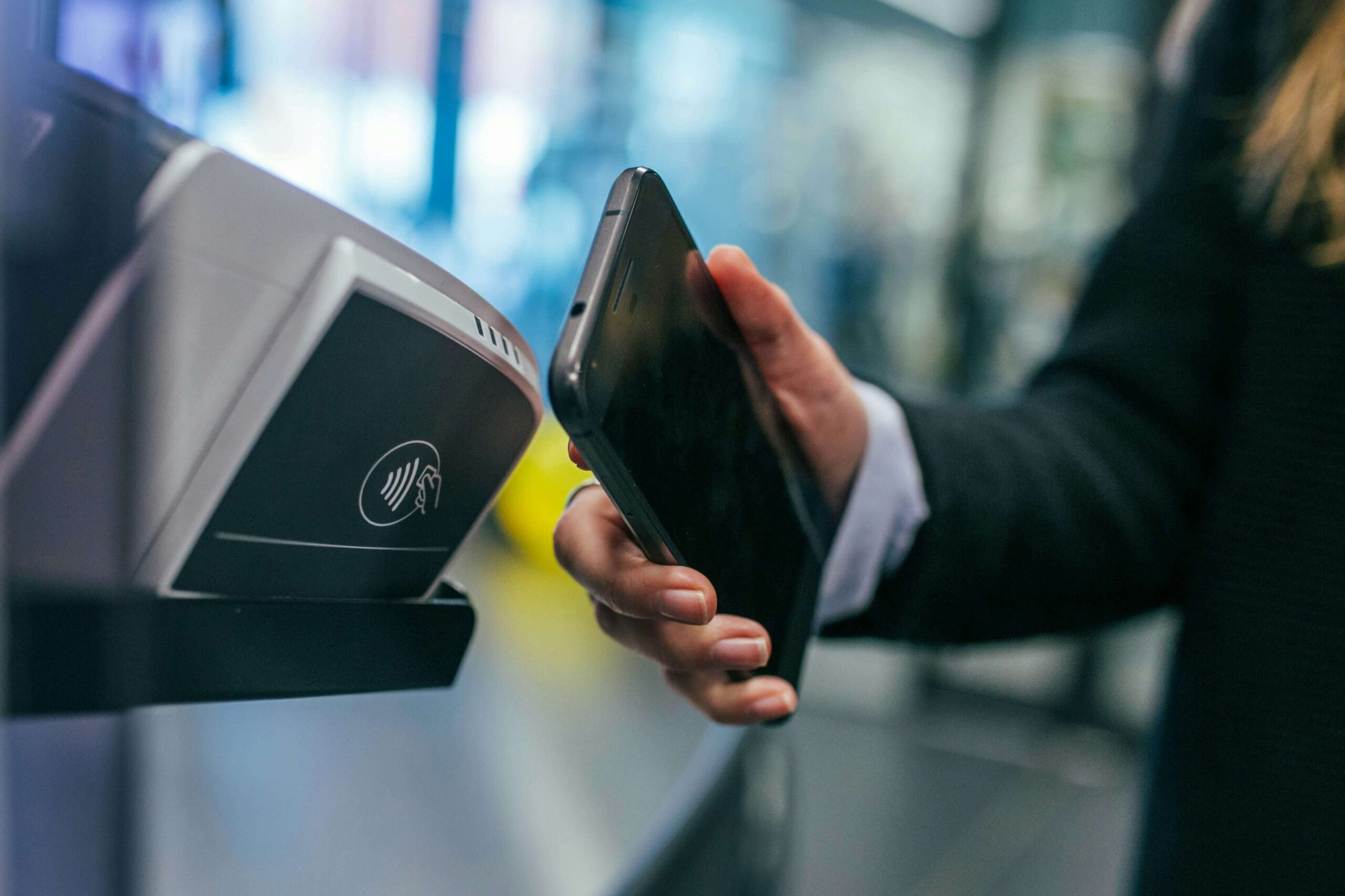
Syria is taking gradual steps to modernise its financial system, with digital payments becoming a central part of this transition. After years of limited connectivity to global financial networks, recent developments suggest a renewed focus on building a more integrated and efficient payment ecosystem.
The shift toward digital payments is not only about convenience but also about improving transparency, supporting economic activity, and reconnecting with international markets. As reforms progress, digital payment infrastructure is emerging as a key pillar of Syria’s broader economic recovery.
How Syria Is Developing Its Digital Payment Infrastructure
The development of digital payment infrastructure in Syria is being driven by a combination of regulatory reforms, international partnerships, and technological upgrades. While still in its early stages, the progress made so far reflects a clear intention to modernise the country’s financial system.
Efforts are focused on creating a secure, reliable, and scalable framework that can support both domestic transactions and international financial flows.
What Recent Developments Are Shaping the Sector?
Recent announcements highlight significant progress in rebuilding Syria’s payment ecosystem. One of the most notable developments is the reintroduction of international payment networks, with global providers such as Visa and Mastercard beginning to re-establish operations in the country.
This includes the technical readiness to process international card transactions, marking the first time in over a decade that Syria has been able to reconnect to global payment systems. These steps are designed to facilitate both local transactions and cross-border financial activity.
The launch of local payment platforms, such as the Paymera network, is helping to bridge domestic and international systems. These initiatives demonstrate a coordinated approach to building a modern payment infrastructure that aligns with global standards.
How Are Government Policies Supporting Digital Payments?
Government policy is playing a central role in shaping the development of digital payments. The Central Bank of Syria has outlined a multi-year strategy aimed at strengthening financial stability and modernising the banking sector. This strategy includes:
- Promoting electronic payment adoption
- Enhancing regulatory frameworks for digital transactions
- Supporting financial inclusion
- Improving the reliability of the banking system
In addition, cooperation between government institutions and international financial organisations is helping to establish the technical and regulatory foundations required for long-term growth.
What Role Do International Partnerships Play?
International partnerships are critical to the development of Syria’s digital payment infrastructure. Collaboration with global payment providers allows local financial institutions to integrate with established networks, improving both efficiency and accessibility. These partnerships also provide:
- Access to advanced payment technologies
- Improved transaction security
- Greater interoperability with global systems
- Increased confidence among investors and users
Reintegration into global payment networks is expected to facilitate remittances, support trade, and enhance the overall business environment.
What Challenges Still Need to Be Addressed?
Despite the progress made, several challenges remain. One of the most significant is rebuilding trust in the financial system after years of disruption and limited access to banking services. Other key challenges include:
- Weak telecommunications infrastructure in certain areas
- Limited integration of local banks with international systems
- The need for stronger regulatory and legal frameworks
- Cybersecurity risks and capacity gaps
- Low levels of public awareness and adoption
Addressing these issues will be essential for ensuring that digital payment systems are both reliable and widely used.
How Could Digital Payments Impact the Economy?
The expansion of digital payment infrastructure has the potential to deliver meaningful economic benefits. By improving transaction efficiency and reducing reliance on cash, digital systems can support more transparent and accountable financial activity. Key potential impacts include:
- Increased financial inclusion for individuals and businesses
- More efficient domestic and international transactions
- Improved access to global markets
- Enhanced ability to attract foreign investment
Digital payments can also play a role in formalising parts of the economy, helping to reduce informal activity and improve overall economic governance.
What Is the Outlook for Digital Payments in Syria?
The outlook for digital payments in Syria is cautiously optimistic. Continued progress will depend on the successful implementation of reforms, the strengthening of infrastructure, and sustained collaboration with international partners.
While the current phase remains largely developmental, the direction of travel is clear. With the right regulatory environment and ongoing investment, Syria has the potential to build a payment system that supports both domestic growth and international integration. As these systems mature, digital payments are likely to become an increasingly important component of Syria’s economic landscape.