Solar power is not only good for the environment; it also makes a lot of sense for countries in areas with a lot of sunshine. Because it is in the Eastern Mediterranean and has long, sunny days for most of the year, Syria is often looked at for its potential in solar energy.
So, does Syria really have the right conditions for solar energy to grow? The short answer is yes, but to get the full picture, you need to look more closely at the weather, the economy, the infrastructure and the planning.
A Sun-Rich Environment
Solar irradiance, or the amount of sunlight a place gets, is the most important thing to talk about when it comes to solar energy. Most of Syria gets a lot of sunlight, which is good for the country. The country is in the top tier compared to many other places in the world because it gets an average of more than 5 kWh/m² of solar radiation every day, and in some places, it gets as much as 7 kWh/m². These levels mean that photovoltaic (PV) panels can consistently produce a lot of electricity, making solar projects for homes and businesses possible.
This natural solar advantage gives us a strong base. Because of where it is, the area gets long, bright days in the summer and enough sun in the winter to keep solar systems working all year. Solar power has a huge advantage over countries with less sunny climates because of the amount of sunlight that is available in Syria. This is true whether the panels are on rooftops, in small farms or in larger ground-mounted arrays.
Climate Patterns That Favour Sun-Harvesting
Syria’s climate changes from place to place, but most of the country has dry or semi-dry weather with clear skies most of the time. These dry, sunny conditions lower the amount of clouds and moisture in the air, both of which can greatly lower the efficiency of solar panels. The end result is that solar installations produce more power every day, and their performance is less affected by the weather.
Sunny, stable climates also make it easier to keep things running smoothly. There are fewer problems like humidity-related damage or severe seasonal shading, which means systems can work more reliably over time. This durability increases the long-term return on investment, which is another important factor for both homeowners and energy developers.
Wide Open Spaces for Large-Scale Projects
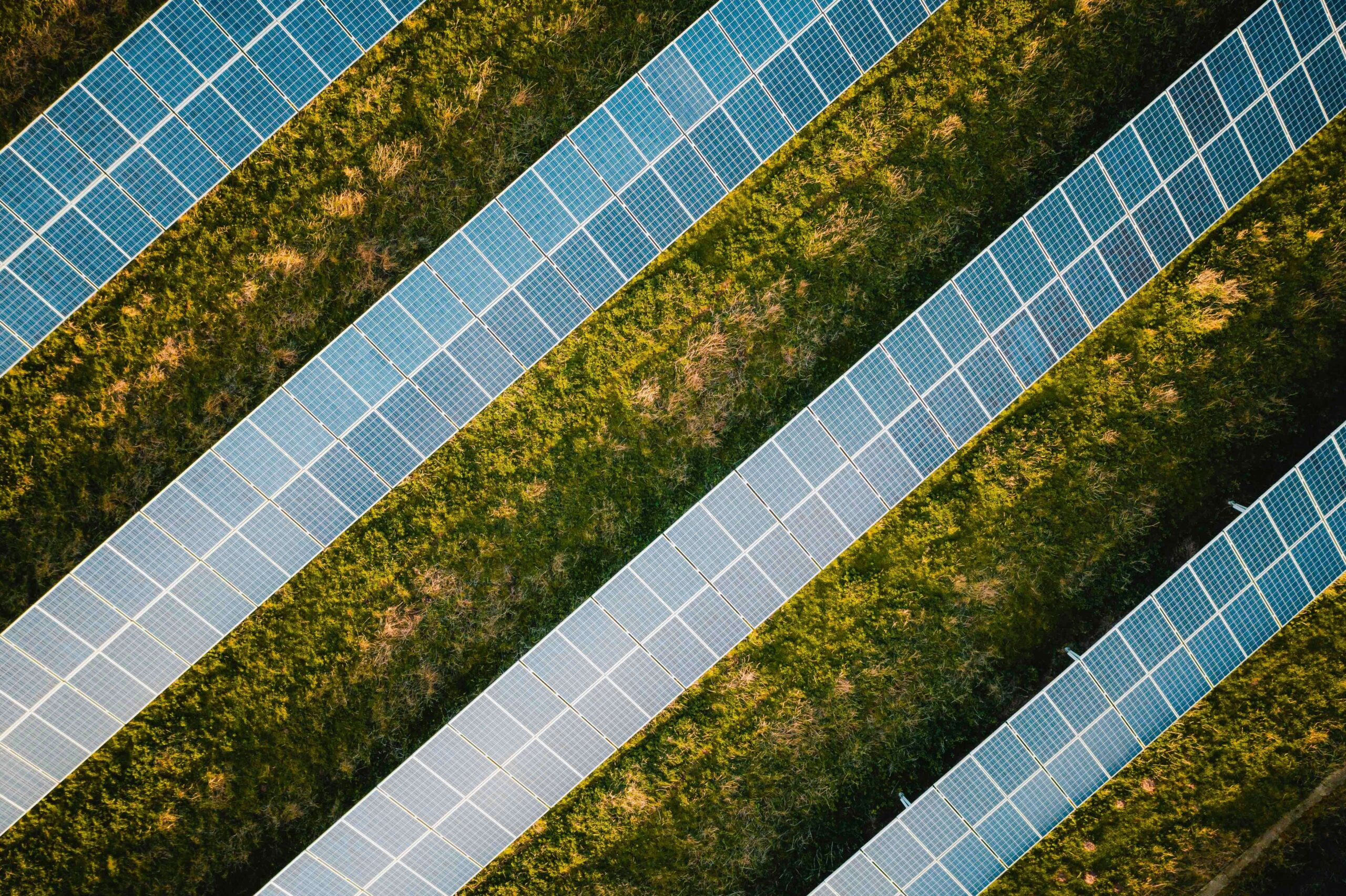
Syria has a lot of open land, which is another good reason for solar energy to be used there. Solar farms, which are big installations that produce electricity on a utility scale, need a lot of space. For every megawatt of capacity, they need several hectares. A lot of Syria’s land, especially in the central and eastern parts, is flat and open, which is perfect for these kinds of installations.
These kinds of places let solar panels be placed and angled in the best way possible, so they get the most sunlight all year long. Open spaces near towns and industrial centres are great places to put hybrid systems that combine solar power with battery storage or other renewable technologies.
Solar at the Local Level
Syria’s conditions also make it possible to use distributed solar energy on a smaller scale, such as on rooftops, in businesses, schools or community centres. Rooftops in both cities and the countryside get plenty of sunlight, which means that homes and businesses can make a significant amount of their own electricity. This means that many property owners don’t have to rely on outside grid power as much, which can save them money in the long run.
As more and more people want solar power for their homes and businesses, there is a growing market for local installers, consultants and technicians. This makes solar power a more common source of energy. As more people learn how to install solar panels, conditions become even better for more people to use them.
Bringing Policy and Planning in Line with Natural Conditions
Syria has good natural conditions for solar energy, but to make the most of that potential, careful planning and supportive policies are needed. Solar installations, no matter how big or small, need clear rules, helpful incentives and easy-to-get financing. It’s good to see that more people are realising how important renewable energy is, and governments are starting to come up with ways for both private and public money to be used to fund solar projects.
Policies that make it easier to get permits, set standards for connecting to the grid and support power purchase agreements help make solar investments more predictable. In the same way, tax breaks or financing options can make it easier for people and businesses who want to get into solar to do so.
Technological Improvements and Cost Trends
Syria’s solar energy conditions are even better now that solar panels and energy storage systems have improved around the world. Photovoltaic modules have become much cheaper over the past ten years, and their efficiency has also gone up. Because of these trends, solar power systems produce more energy at a lower cost, making them appealing even without a lot of government support.
Battery systems and other energy storage technologies have also gotten better, which helps to even out fluctuations and lets solar power be used at night or when it’s cloudy. These changes in technology make solar energy a more reliable and cost-effective choice overall.
Looking at the Big Picture
In conclusion, Syria is a great place for solar energy because it gets a lot of sun, has clear skies and has a lot of land for installations. When it comes to the basic physics of making solar power, Syria is much better than many other countries because of these environmental benefits. Because technology costs are going down and interest in solar energy is growing, solar energy is likely to play a big role in the future energy mix.
To make this potential a reality, the solar industry needs to keep making new policies, invest in infrastructure and build its capacity. But when it comes to natural suitability, the answer is clear: Syria is in a great position to use solar energy, and those conditions are a strong basis for long-term growth in renewable energy.