Syria’s energy sector has faced significant difficulties over the last ten years as a result of international sanctions, infrastructure damage, fuel shortages, and armed conflict. Due to these pressures, the nation’s ability to generate electricity has been greatly diminished, and households, businesses, and public institutions are finding it more and more difficult to obtain dependable power. In light of this, solar energy has become a viable solution to long-term energy shortages as well as an environmental choice. This reality is reflected in the Syrian government’s solar energy policy, which is more influenced by necessity, resilience, and energy security than by climate ambition.
Syria’s Energy Crisis
Before 2011, Syria relied heavily on fossil fuels—particularly oil and natural gas—to generate electricity. The conflict disrupted fuel production, damaged power plants and transmission networks, and limited the state’s ability to import energy. As a result, prolonged power cuts became common, pushing citizens and businesses to seek alternative sources of electricity.
Solar energy, especially small-scale photovoltaic (PV) systems, gained popularity during this period because it could be deployed relatively quickly, operated independently of the national grid, and reduced reliance on scarce fuel supplies. The government’s approach to solar energy must therefore be understood within this broader crisis-driven context.
Legal and Regulatory Framework
Syria does not have a comprehensive, standalone renewable energy law comparable to those in many other countries. Instead, solar energy policy is embedded within a mix of energy, investment, and electricity regulations issued by various ministries, primarily the Ministry of Energy.
Key features of the regulatory approach include:
- Permissive installation policies: The government has generally allowed households, farms, factories, and commercial facilities to install rooftop or ground-mounted solar systems, particularly for self-consumption.
- Licensing and approvals: Larger solar projects typically require permits and coordination with local authorities and electricity institutions, though procedures have been simplified in practice to encourage uptake.
- Grid interaction rules: While grid-connected solar is legally possible, net metering and feed-in mechanisms remain limited and inconsistently applied due to technical and financial constraints within the national grid.
Government Incentives and Support Measures
Rather than offering large-scale subsidies, the Syrian government’s solar policy focuses on reducing barriers and offering targeted incentives. These measures include:
Tax and Customs Exemptions
One of the most important policy tools has been the exemption of solar energy equipment—such as panels, inverters, and batteries—from certain customs duties and taxes. This aims to lower upfront costs and make solar systems more accessible, despite currency depreciation and inflation.
Soft Loans and Financing Programs
In cooperation with public banks, the government has announced loan programs that allow individuals, farmers, and small businesses to finance solar installations over time. These loans are often framed as productivity-enhancing measures, particularly for agriculture and small industry.
Priority for Productive Sectors
Policy statements and implementation have emphasized solar energy for:
- Agricultural irrigation and water pumping
- Small and medium-sized industrial facilities
- Hospitals, schools, and public service buildings
This reflects a focus on economic recovery and basic services rather than purely residential comfort.
Public vs. Private Solar Projects
Small-Scale and Decentralized Solar
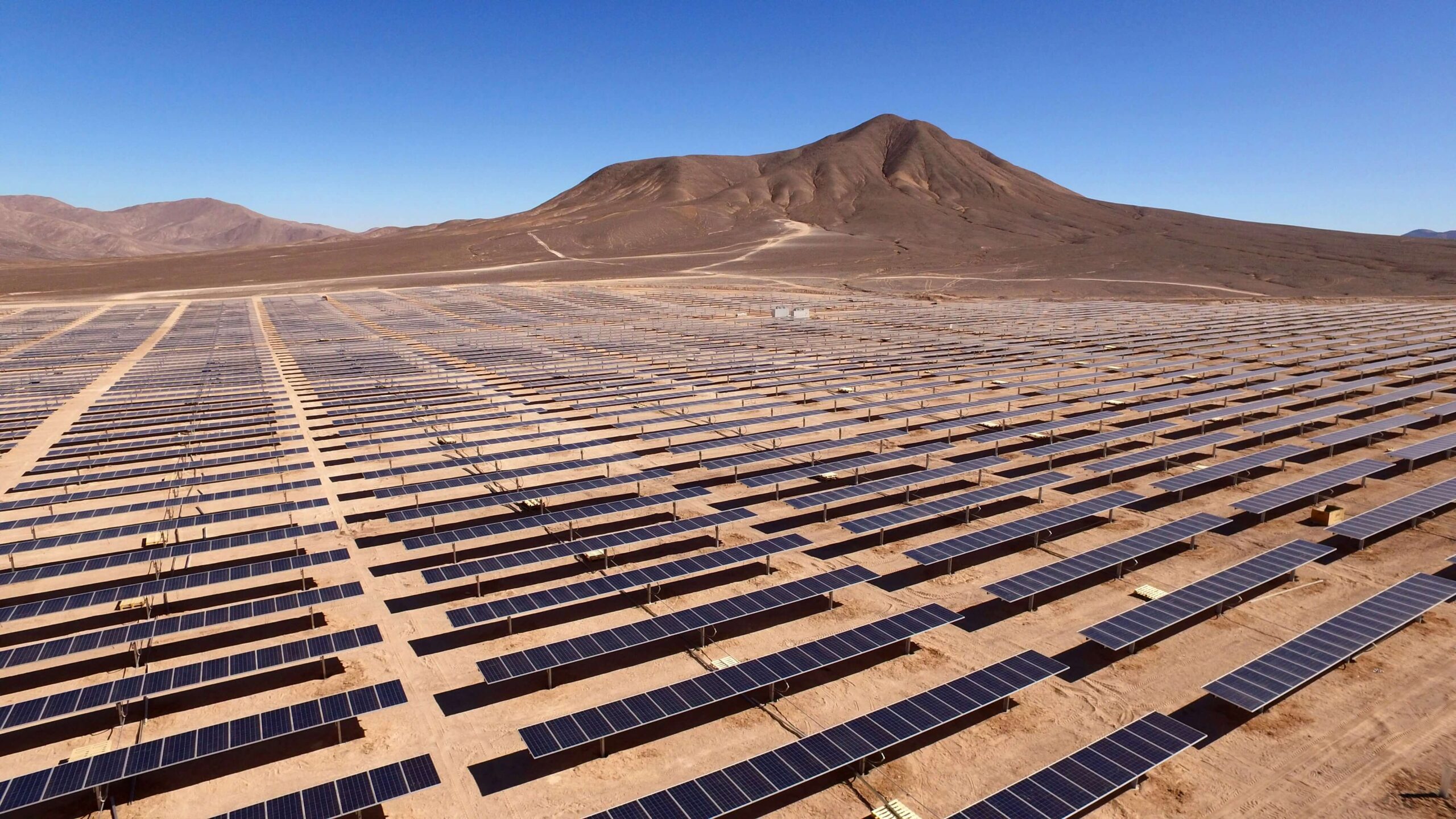
The most visible impact of Syria’s solar policy is at the decentralized level. Rooftop systems on homes, shops, and factories have proliferated, largely driven by private initiative with tacit or explicit government approval. In many cases, these systems operate off-grid or in hybrid mode with diesel generators.
Utility-Scale Solar Projects
The government has expressed interest in larger solar power plants, often in partnership with domestic or foreign investors. However, progress has been slow due to financing difficulties, sanctions-related constraints, grid limitations, and political risk. As a result, utility-scale solar remains more aspirational than transformative.
Role of Sanctions and International Constraints
International sanctions significantly shape Syria’s solar energy policy. On one hand, renewable energy technologies are often easier to import than fossil fuels, and solar systems can reduce fuel demand. On the other hand, sanctions complicate access to financing, high-quality equipment, insurance, and international partnerships.
This has led to a largely inward-looking solar market, dominated by small traders, local installers, and imported components of varying quality. The government’s policy response has been pragmatic: encouraging what is feasible domestically rather than pursuing ambitious, internationally integrated renewable strategies.
Environmental and Climate Considerations
While global discussions around solar energy often emphasize climate change mitigation, environmental framing plays a secondary role in Syria’s official discourse. Government statements do reference sustainability and environmental protection, but the dominant drivers remain energy security, cost reduction, and service continuity.
That said, increased reliance on solar energy has indirect environmental benefits, including reduced diesel generator use, lower local air pollution, and decreased greenhouse gas emissions.
Challenges and Limitations
Despite supportive signals, Syria’s solar energy policy faces several challenges:
- High upfront costs for citizens despite exemptions and loans
- Limited technical standards and quality control
- Weak grid infrastructure limiting large-scale integration
- Regulatory uncertainty and inconsistent enforcement
These factors constrain the long-term effectiveness of solar as a pillar of national energy policy.