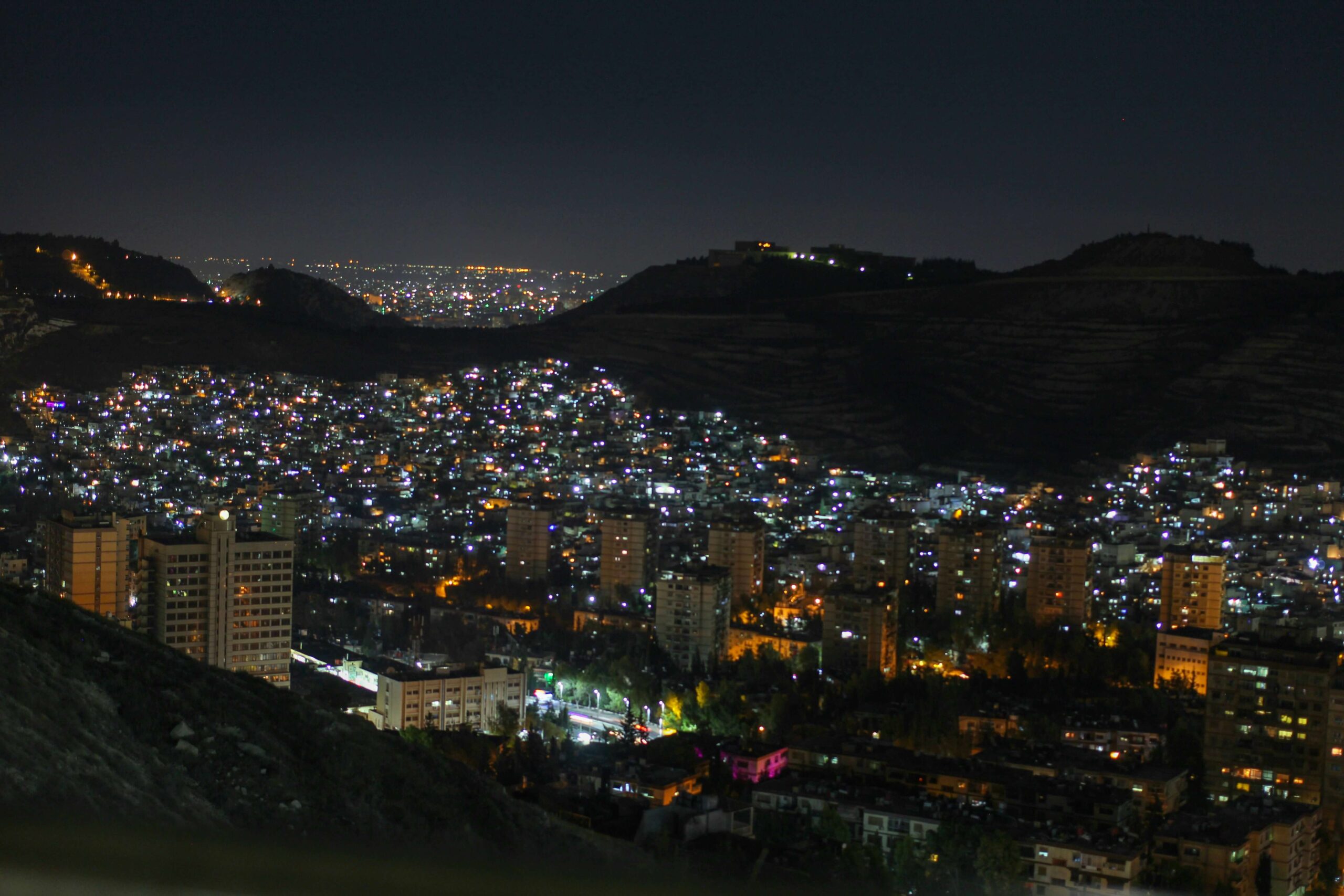
Syria is moving through a gradual rebuilding phase, and while challenges remain, the environment for small businesses and startups is becoming more open. The demand for essential services, ongoing reconstruction, and the steady rise of digital tools are creating space for new ventures to grow. With the right planning and understanding of the local landscape, entrepreneurs can find meaningful long-term opportunities in the market.
Before launching a business, it is important to understand the legal process, the documents required, and the practical steps involved. The guide below explains each key stage in a simple and clear way.
Why Consider Starting a Business in Syria?
Syria’s market is changing, and several factors make it possible for new ideas to take shape. The country’s reconstruction needs continue to create steady demand for services, materials, and technology. This includes everything from construction and logistics to food production and energy solutions.
Syria’s young population also contributes to the potential for growth. Many young people are ready to learn new skills and enter the workforce, making it easier for new businesses to hire and train staff. Digital services are slowly becoming part of everyday life in Syria. As internet access improves, opportunities are growing for online platforms, IT services, mobile apps, and e-commerce businesses. These changes create a supportive environment for new, well-planned ventures.
What Industries Offer Strong Potential for New Businesses?
Choosing the right industry is an important early step for any entrepreneur. In Syria, some sectors offer clearer opportunities because they meet essential needs and have space for modern solutions.
Construction and engineering continue to be essential as the country rebuilds damaged infrastructure. Agriculture and food production remain strong, especially with improved irrigation systems, greenhouse farming, and food processing technologies. Technology and IT services are slowly expanding as more people rely on digital solutions for communication, education, and business.
Manufacturing is gaining importance as the country looks to reduce reliance on imported goods, creating demand for locally produced clothing, furniture, and household items. Energy projects, especially those involving solar systems and alternative power sources, are also becoming more common as communities look for reliable electricity options.
Steps to Launch a Startup or Small Business in Syria
Starting a business in Syria follows a clear set of steps, and understanding them early makes the process easier to manage.
What Legal Structures Can Entrepreneurs Choose From?
Entrepreneurs must choose a legal structure before registering a new business. A sole proprietorship is suitable for individuals who want full control, although it comes with complete personal liability. Limited Liability Companies are a common choice for small and medium-sized businesses because they offer shared ownership and reduced personal risk.
Larger companies often choose joint stock companies, especially when working with multiple shareholders or planning to scale. Foreign businesses can also establish a branch in Syria, allowing them to operate under their existing international identity. The choice depends on the business’s size, budget, and long-term plans.
How Do You Register a Business Name?
After choosing a legal structure, entrepreneurs must register a company name. This name is submitted to the ministry responsible for trade and consumer protection. The chosen name must be unique, cannot resemble existing businesses, and must avoid political or restricted terminology. Only after receiving approval can entrepreneurs continue with the registration process.
What Documentation Is Needed to Start a Business in Syria?
Once the business name is approved, entrepreneurs must prepare the required documents. The exact list depends on the business structure, but for most companies the main documents typically include:
- The official application form approved by the Ministry of Internal Trade
- Copies of personal identification or passports for all owners or shareholders (Syrians and non-Syrians)
- A notarised Articles of Association (required for LLCs and Joint Stock Companies)
- A document appointing company managers, if applicable
- A legal power of attorney if a founding agent is handling the setup
- Proof of the company’s capital contributions, depending on the business type
Accurate documentation helps prevent delays during the registration process, especially because each file must be reviewed by multiple government departments. Depending on the business type, sector, or licensing requirements, additional documents may be requested by the authorities during the registration process.
How Do You Register the Business Officially?
When the paperwork is complete, it is submitted to the Commercial Registry. After review and approval, the entrepreneur receives an official registration certificate, confirming that the business is legally recognised and allowed to operate in Syria.
Are There Tax Requirements Entrepreneurs Should Be Aware Of?
Tax obligations vary depending on the size and nature of the business. Some projects may qualify for temporary tax incentives under Syria’s investment laws, especially those contributing to reconstruction or strategic development. Import duties may also be reduced for essential equipment used by qualifying businesses. Because rules continue to evolve, it is advisable to work with a local accountant who understands current regulations.
What Are the Visa and Residency Requirements for Foreign Entrepreneurs?
Foreign individuals can start or manage businesses in Syria, but they must follow certain visa and residency rules. A business visa is typically used for short-term visits or initial planning. Those intending to run long-term operations need a residency permit issued by local authorities. If the business plans to employ foreign workers, they will also require work permits linked to a registered company.
Is Syria a Good Place to Start a Business?
Starting a business in Syria comes with challenges, but there are real opportunities for entrepreneurs who plan carefully and understand the environment. With the right strategy, strong preparation, and thoughtful engagement with the local market, new businesses can contribute to Syria’s recovery while building stable, long-term operations.