After more than ten years of conflicts, embargoes, and sanctions, Syria is cautiously exploring the opportunity to participate in international commerce and investments. In Washington, DC, in October 2025, crucial meetings were held that opened the way to foreign investment and economic collaboration that had previously seemed impossible.
From Isolation to Reintegration: Washington Meetings Signal a Shift
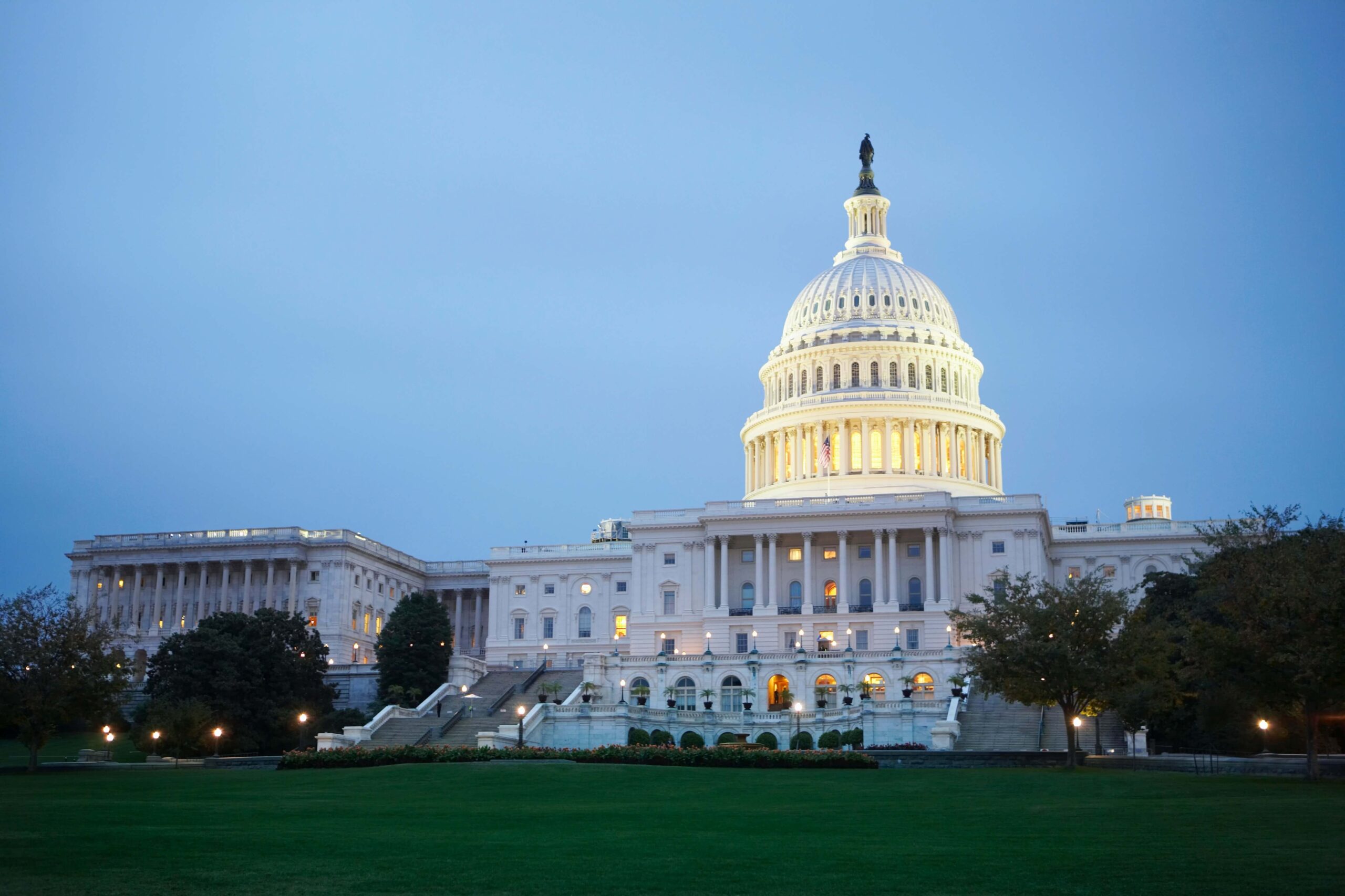
Syria’s finance minister and central bank governor met, for the first time, with officials from the IMF, the World Bank, the Federal Reserve, the U.S. Department of Treasury and major global banks, such as JP Morgan Chase.
During the meeting, the modernisation of Syria’s fiscal and tax policies, governance and the creation of legal frameworks that are transparent and financially and legally conducive to investment for which Syria’s governance structures are modernised were discussed.
Governance, Compliance, and Restoring Trust
In order to be able to engage with Syria once more, global investors and correspondent banks need to be able to trust the systems and processes of the Syrian state. This means that governance, compliance and the transparency of the system and processes of the state need to provide well-working systems and processes.
In the course of the Washington meetings, Syria undertook to improve policies and frameworks on the prevention of money laundering (AML), counter financing of terrorism (CFT) and incorporation of International Financial Reporting Standards (IFRS). They also discussed the adoption of international standards of accounting, domestic and international cross-border payments and the process of digital systems upgrades.
Reconnecting to Payment Systems and Global Banking
Syria is trying to re-link to global payment systems, although this may be a gradual process. The country’s financial authorities set the objective of first connecting to regional house systems such as Buna. If there is a positive trial phase of the new system, it may lead to full range connectivity, including SWIFT access and U.S. dollar correspondent banking, assuming there is sufficient compliance and transparency.
If Syria is able to reconnect to the Federal Reserve, it would be a significant sign of global financial system confidence enabling its central bank to hold U.S. dollar accounts. However, this opening of systems will not lead to an immediate inflow of capital. Experts believe that Syria will need to rebuild its financial infrastructure to support foreign capital. It could take years to perform the work to support regular and robust international flows.
Where Investment Could Flow First
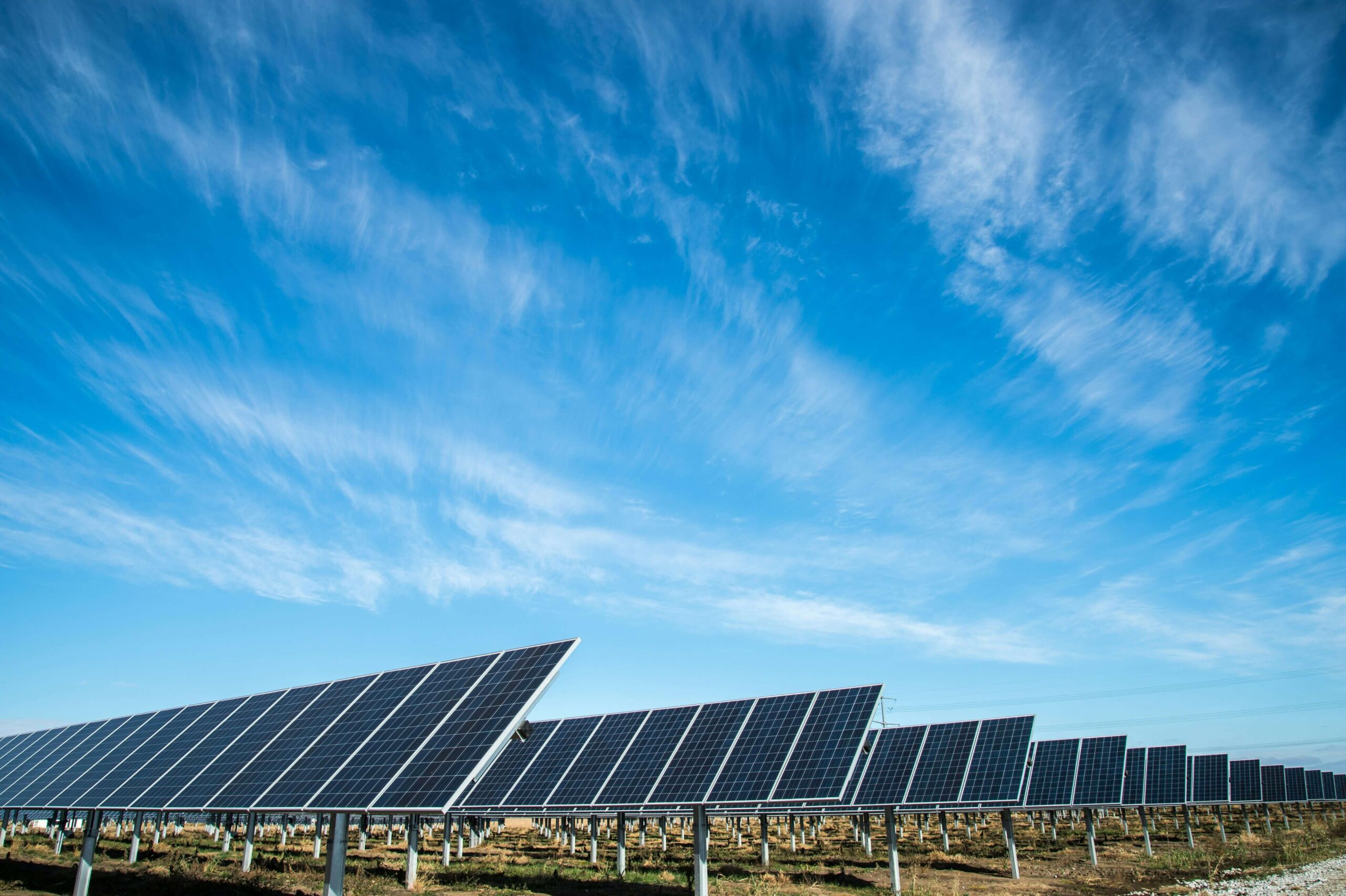
As banking corridors gradually reopen, the potential for foreign direct investment increases, particularly in areas of high demand such as reconstruction in the energy, infrastructure, agriculture, and finance sectors.
Syria is reportedly still holding substantial unexploited onshore and offshore oil and gas reserves. New global connectivity (restored after many years of isolation) makes it economical to reactivate old wells and pipelines, which is likely to become a significant contributor to the country’s foreign exchange earnings. Inviting international investors to reconstruct ports, and infrastructure, and to provide public utilities and other services has also begun- to assist where the countries Government can not afford.