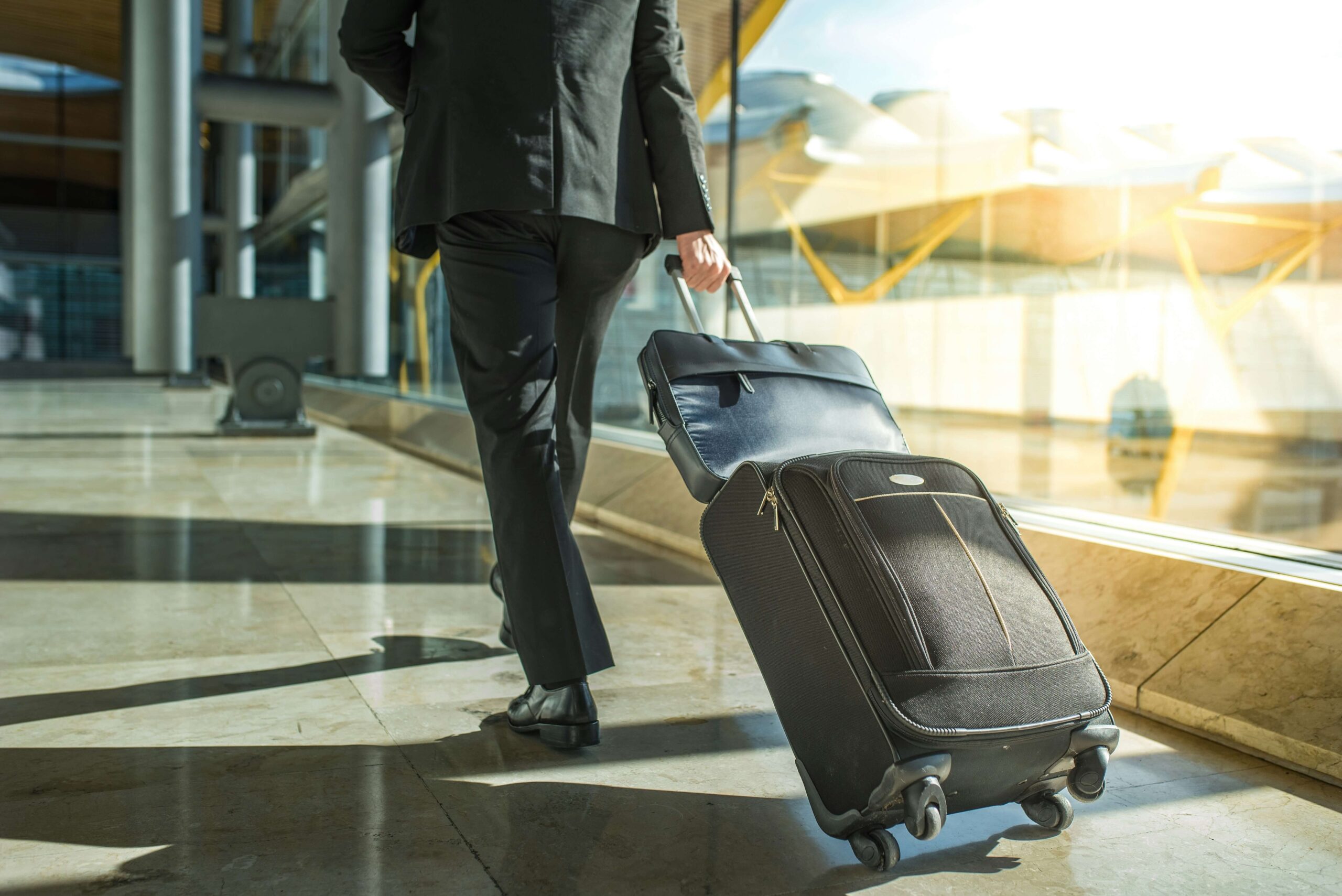
Syria’s reopening to foreign investment has brought an increase in business travellers heading to Damascus, Aleppo, and other commercial centres to explore partnerships, scout sites, and meet with local stakeholders. For those making the trip for the first time, a small amount of preparation goes a long way. Below is an overview of what investors and business travellers should understand before they book their flights.
Visa and Entry Requirements
Entry procedures have changed significantly since the fall of the previous regime, and they continue to evolve. Most nationalities now require a visa to enter Syria, whether arriving by air through Damascus or Aleppo, or overland via Lebanon or Jordan. Depending on nationality, this may take the form of a visa on arrival or require prior security approval, which can take several weeks to process. Travellers from a number of countries face additional scrutiny and should apply for entry approval well ahead of their intended travel dates rather than booking non-refundable flights first.
Business travellers should also be aware that a passport bearing evidence of travel to Israel, or Israeli nationality, will result in refused entry. Anyone unsure of their specific requirements should confirm the latest rules with the nearest Syrian embassy or honorary consulate, or work with a partner on the ground who can help navigate the approval process.
Currency and Payments
Syria remains largely a cash economy, and business travellers should plan accordingly. International bank cards are not reliably accepted, and ATMs cannot be depended upon for consistent access to funds. Visitors typically bring US dollars in cash, which should be in good condition, as older or damaged notes may be refused or exchanged at a reduced rate. Currency should be exchanged only at licensed exchange offices in major cities. The Syrian pound continues to be affected by inflation and depreciation, and the Central Bank has signalled plans to introduce a modernised currency, so travellers should check the current exchange landscape close to their departure date.
Safety and Local Guidance
While parts of the country have stabilised considerably, conditions can vary significantly by region and can change quickly. Business travellers should stay informed on the security situation in the specific areas they plan to visit, keep local contacts informed of their itinerary, and avoid areas that remain restricted or unstable. Engaging a trusted local partner or advisory team to coordinate logistics, transport, and site visits is strongly advisable, particularly for those unfamiliar with the country.
Connectivity and Logistics
Internet and mobile connectivity have improved but can still be inconsistent outside major urban centres. A local SIM card is generally more reliable than international roaming. Travellers should also expect that not all areas have consistent electricity, and that transport infrastructure, while improving, may involve longer journey times than expected between cities.
Business Culture and Etiquette
Relationship-building remains central to doing business in Syria. Meetings often begin with a period of informal conversation before turning to business matters, and rushing this process can be counterproductive. Arabic is the language of business and government, though English is increasingly used in commercial and investment circles, particularly in Damascus. Working with local advisors who understand both the language and the cultural expectations of Syrian counterparts can significantly smooth negotiations and partnership discussions.
Documentation and Local Support
Foreign investors should expect to interact with Syrian regulatory bodies, including the Syrian Investment Authority, which now plays a central role in approving and facilitating foreign business activity. Having documentation prepared in advance, and understanding which approvals are required for a given sector, can prevent delays once on the ground. Many first-time visitors find it valuable to have a local team handle introductions, scheduling, and regulatory coordination so that the trip itself can focus on relationship-building and due diligence.
Final Thoughts
A first business trip to Syria is best approached with careful planning, realistic expectations, and the support of experienced local partners. Entry requirements, cash logistics, security conditions, and business customs all differ from what many international travellers are used to, but with the right preparation, these can be navigated smoothly. As Syria’s economy continues to open up, early movers who take the time to understand these fundamentals will be best positioned to build lasting relationships and identify genuine opportunities in the market.