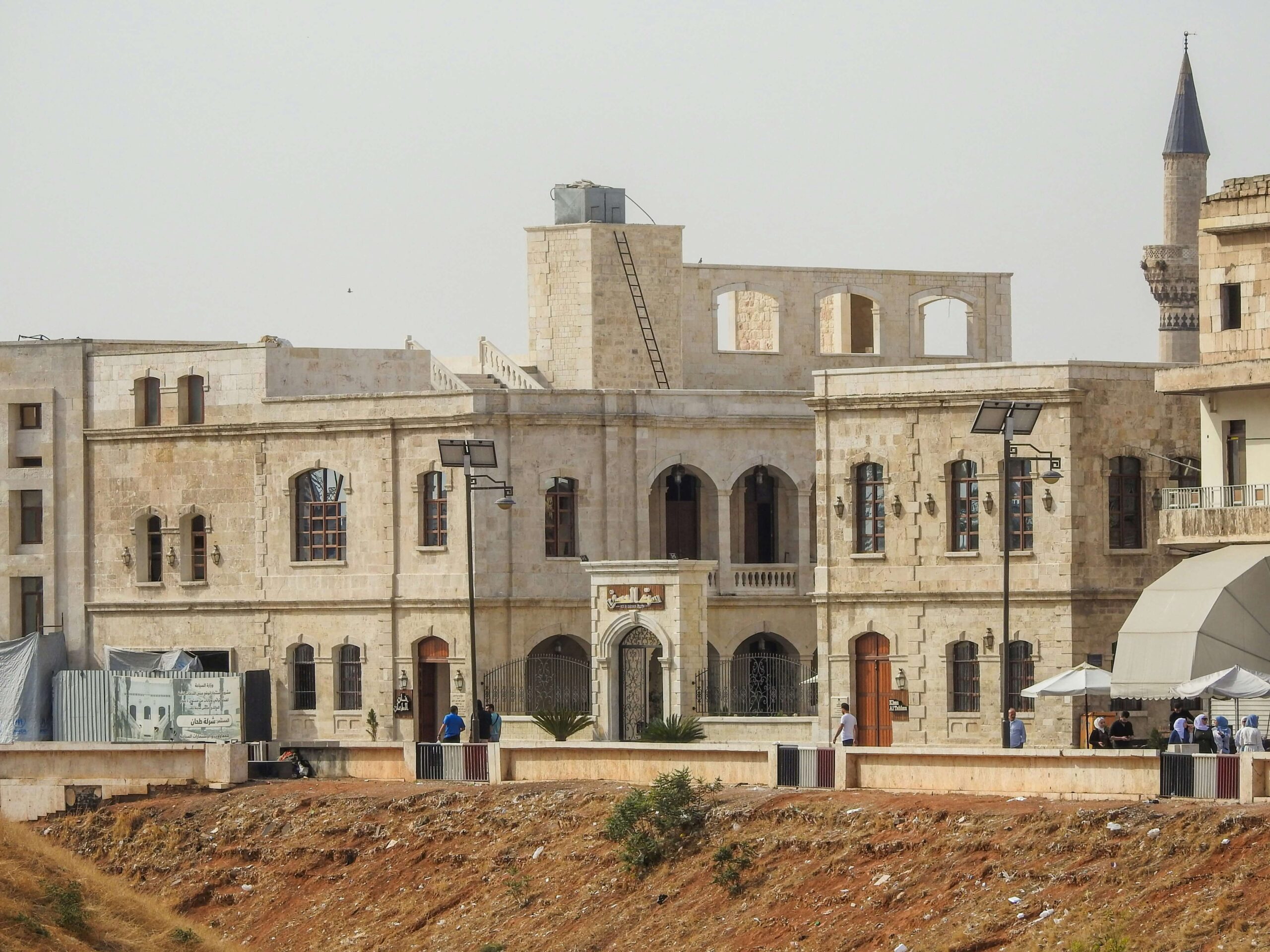
Understanding business culture in Syria is essential for companies looking to build professional relationships, explore trade opportunities, or work with local partners. While the country’s business environment has faced significant challenges in recent years, personal relationships, trust, and respect remain at the heart of doing business. Learning about local customs, communication styles, business etiquette, and decision-making processes can help foreign businesses navigate the Syrian market more effectively and establish long-lasting partnerships.
Why Are Personal Relationships Important in Syrian Business?
Personal relationships are a cornerstone of business culture in Syria. Before entering into agreements or long-term partnerships, many Syrian business professionals prefer to establish trust and get to know the people they are working with. Building a strong relationship often takes time, with multiple meetings and conversations helping both parties develop confidence in one another.
How Are Business Meetings Conducted in Syria?
Business meetings in Syria are generally formal but often begin with a friendly conversation before moving on to business matters. Taking time to exchange greetings and discuss general topics helps establish rapport and demonstrates respect for the relationship. Rushing directly into negotiations may be viewed as impolite.
Meetings are usually led by senior decision-makers, and it is important to show respect for hierarchy throughout the discussion. Decisions may not be made during the first meeting, as businesses often prefer to carefully evaluate proposals and consult internally before reaching an agreement. Patience and professionalism are essential, as building trust is typically viewed as more important than reaching a quick outcome.
What Is the Typical Communication Style in Syrian Business?
Communication in Syrian business culture is generally polite, respectful, and relationship-focused. Conversations tend to be courteous, with an emphasis on maintaining positive working relationships and avoiding unnecessary conflict. Rather than communicating in an overly direct manner, business professionals may express concerns diplomatically to preserve mutual respect.
What Is the Business Culture Like in Syria?
Business culture in Syria is built around trust, respect, and long-term relationships. While professionalism is important, successful business interactions often depend on establishing personal connections before focusing on commercial discussions. Understanding local customs, respecting hierarchy, and demonstrating patience can help foreign businesses build credibility and navigate the Syrian business environment more effectively.
Relationships Are the Foundation of Business
Developing strong personal relationships is often the first step towards successful business in Syria. Trust is earned over time through regular communication, face-to-face meetings, and consistent professionalism. Many businesspeople prefer to work with individuals they know and trust rather than entering into agreements based solely on commercial benefits.
Respect for Hierarchy Is Important
Syrian organisations generally have clear management structures, with senior executives or business owners making key decisions. Employees are expected to show respect for authority, and it is common for important discussions to involve senior representatives. Foreign businesses should identify the appropriate decision-makers and address them with professionalism and courtesy.
Business Is Conducted With Patience
Business negotiations and decision-making processes may take longer than in some Western countries. Companies often take time to evaluate proposals, build trust, and consult with colleagues before making commitments. Demonstrating patience and avoiding high-pressure tactics can strengthen relationships and improve the chances of reaching a successful agreement.
Hospitality Plays a Significant Role
Hospitality is an important part of Syrian culture and frequently extends into business settings. Visitors may be offered tea, coffee, or refreshments before discussions begin. Accepting these gestures politely shows appreciation and respect for local customs while helping create a welcoming atmosphere for business conversations.
Professionalism and Respect Matter
Maintaining a respectful and professional attitude is essential throughout every stage of a business relationship. Punctuality, polite communication, and appropriate business attire help create a positive impression. Showing respect for local traditions and cultural expectations demonstrates your commitment to building a successful and long-lasting partnership.
How Can You Build Strong Business Relationships in Syria?
Building successful business relationships in Syria requires trust, consistency, and respect for local customs. Businesses that take the time to understand cultural expectations and invest in long-term partnerships are often more successful than those focused only on short-term transactions. Strong professional relationships can lead to greater collaboration, smoother negotiations, and increased business opportunities.
You can build stronger business relationships in Syria by:
- Taking time to establish trust before discussing major business deals.
- Meeting face-to-face whenever possible to strengthen personal connections.
- Respecting senior decision-makers and organisational hierarchy.
- Being patient during negotiations and allowing time for decisions.
- Communicating politely and professionally in every interaction.
- Accepting hospitality, such as tea or coffee, is a sign of respect.
- Following through on commitments and delivering on promises.
- Maintaining regular communication, even when no immediate business opportunity exists.
- Learning about local customs and business etiquette before meetings.
- Demonstrating a genuine interest in building a long-term partnership rather than focusing only on short-term gains.
Challenges When Doing Business in Syria
International professionals may encounter difficulties if they undervalue connections, bureaucracy, compliance, identity, and political sensitivity in Syria, which can be a complicated business environment.
- Rushing business before establishing personal trust
- Misinterpreting courtesy or oblique language as consent
- Underestimating legal intricacy, bureaucracy, and approvals
- Disregarding partner due diligence, fines, or compliance
- Assuming the formal process reveals the full decision-making picture
- Speaking recklessly regarding leadership, Israel, Palestine, politics, sectarianism, or the conflict