Business transactions in Syria are shaped by a financial environment that has evolved significantly over the past decade. Economic challenges, infrastructure limitations, and changing market conditions have influenced how individuals and businesses move money across the country.
While cash remains the dominant method of payment in many sectors, alternative systems such as hawala transfers and emerging digital payment solutions also play an important role. As Syria continues working toward financial modernisation, payment methods are gradually becoming more diverse.
What Are the Main Payment Methods Used in Syrian Business Transactions?
Payment methods in Syria vary depending on the type of transaction, the location, and the level of access to formal financial services. Businesses often rely on a combination of traditional and developing systems to manage payments efficiently.
Although digital infrastructure is improving, many transactions still take place through cash-based or informal channels due to longstanding limitations within the banking sector.
Why Does Cash Still Dominate Transactions?
Cash remains the primary payment method used in Syria, particularly for day-to-day business activity. Many businesses and consumers continue to rely on physical Syrian Pounds for purchases, wages, and operational expenses. Several factors contribute to this:
- Limited banking access in certain regions
- Low levels of digital payment adoption
- Ongoing concerns around financial stability
- Infrastructure and connectivity challenges
Cash transactions are often viewed as the simplest and most reliable option, especially for smaller businesses and local commerce.
What Role Does the Hawala System Play?
The hawala system remains an important part of Syria’s financial landscape, particularly for cross-border transfers and remittances. Hawala operates through informal networks that facilitate money transfers without requiring traditional banking channels. This system is commonly used because:
- It can process transfers quickly
- It operates across regions with limited banking access
- It is widely trusted within established networks
For many households and businesses, hawala transfers continue to provide an essential source of liquidity and financial support.
Are Bank Transfers Used in Syria?
Bank transfers are used within Syria, although their role remains more limited compared to some other markets. Formal banking activity has faced challenges due to sanctions, infrastructure disruption, and reduced international integration.
However, recent efforts to modernise the financial sector are gradually improving banking capabilities. Certain licensed banks have started expanding electronic services and integrating with international payment systems.
As financial infrastructure develops, bank transfers are expected to become more widely used for:
- Business-to-business transactions
- Salary payments
- International trade activity
- Commercial operations requiring greater transaction security
How Are Digital Payments Developing?
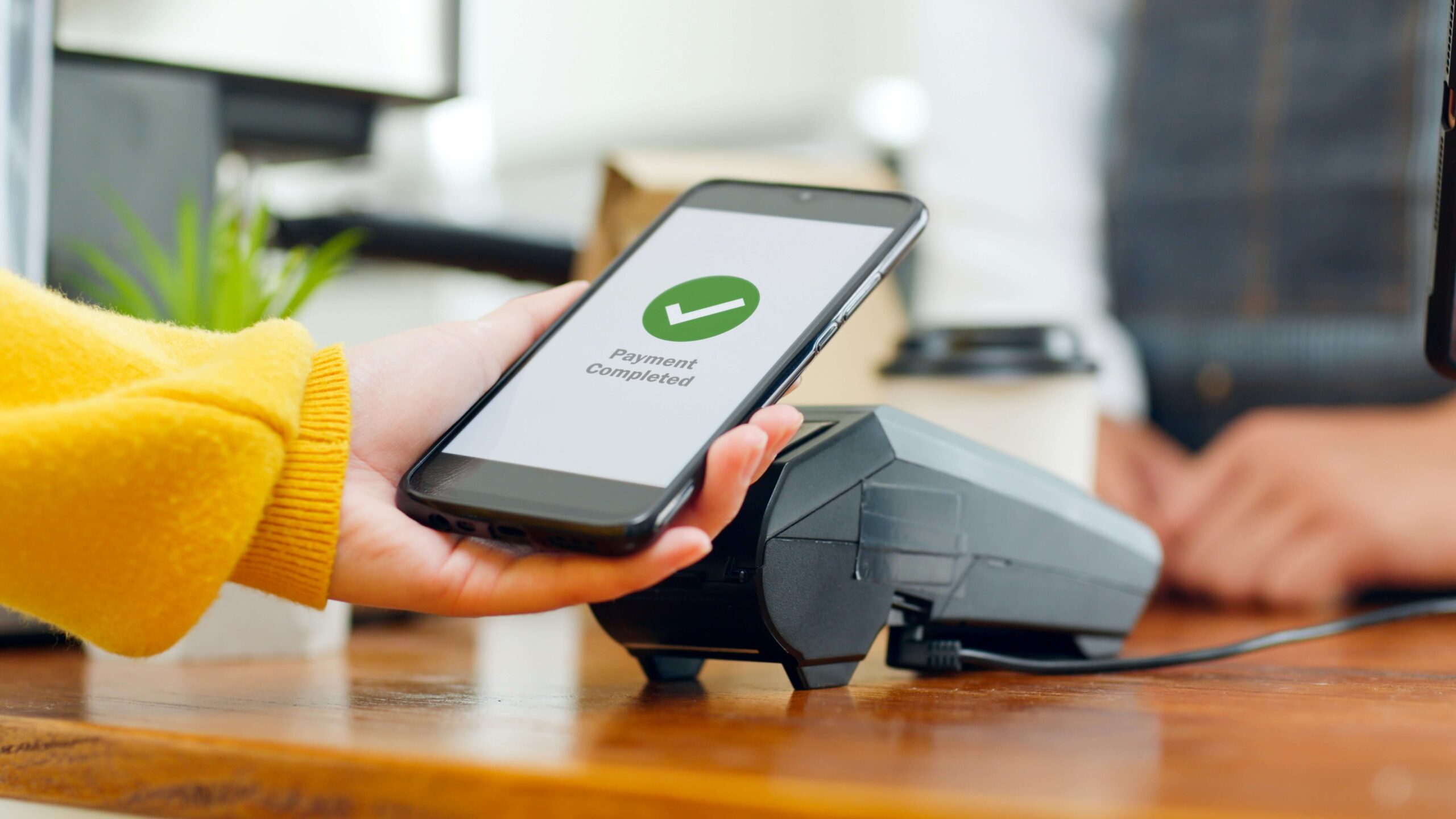
Digital payments are becoming increasingly important as Syria works to modernise its financial system. Recent partnerships involving international payment providers and local financial institutions indicate growing momentum in this area. Key developments include:
- The introduction of electronic payment trials
- Expansion of local payment networks
- Reconnection to international card systems
- Increased interest in fintech services
These initiatives are aimed at improving transaction efficiency and supporting broader financial inclusion across the economy. Although adoption is still developing, digital payments could play a larger role in Syrian business transactions over time.
What Challenges Affect Payment Systems in Syria?
Despite recent progress, several challenges continue to affect payment infrastructure and financial accessibility. These include:
- Telecommunications limitations in certain regions
- Limited trust in formal financial systems
- Regulatory and compliance requirements
- Currency volatility and inflation pressures
- Cybersecurity and infrastructure risks
These factors can influence how businesses choose to process payments and manage financial operations.
How Do Businesses Adapt to Different Payment Methods?
Many Syrian businesses operate with flexibility by accepting multiple payment methods depending on customer needs and market conditions. It is common for businesses to combine cash payments with informal transfers or emerging digital solutions. This adaptability helps businesses:
- Maintain operational continuity
- Reduce transaction delays
- Manage liquidity more effectively
- Serve a wider customer base
As payment systems continue to evolve, businesses that can integrate newer financial technologies may gain operational advantages over time.
What Is the Outlook for Payment Systems in Syria?
The outlook for payment systems in Syria is gradually improving as infrastructure investment and financial reforms continue. While cash is likely to remain dominant in the short term, digital payment adoption is expected to increase steadily.
The expansion of electronic payments, banking modernisation, and international financial partnerships could contribute to a more diversified and efficient payment environment in the coming years.
Much will depend on the pace of infrastructure development, regulatory reform, and broader economic stabilisation. If progress continues, Syria’s payment ecosystem could become increasingly integrated with regional and global financial systems.