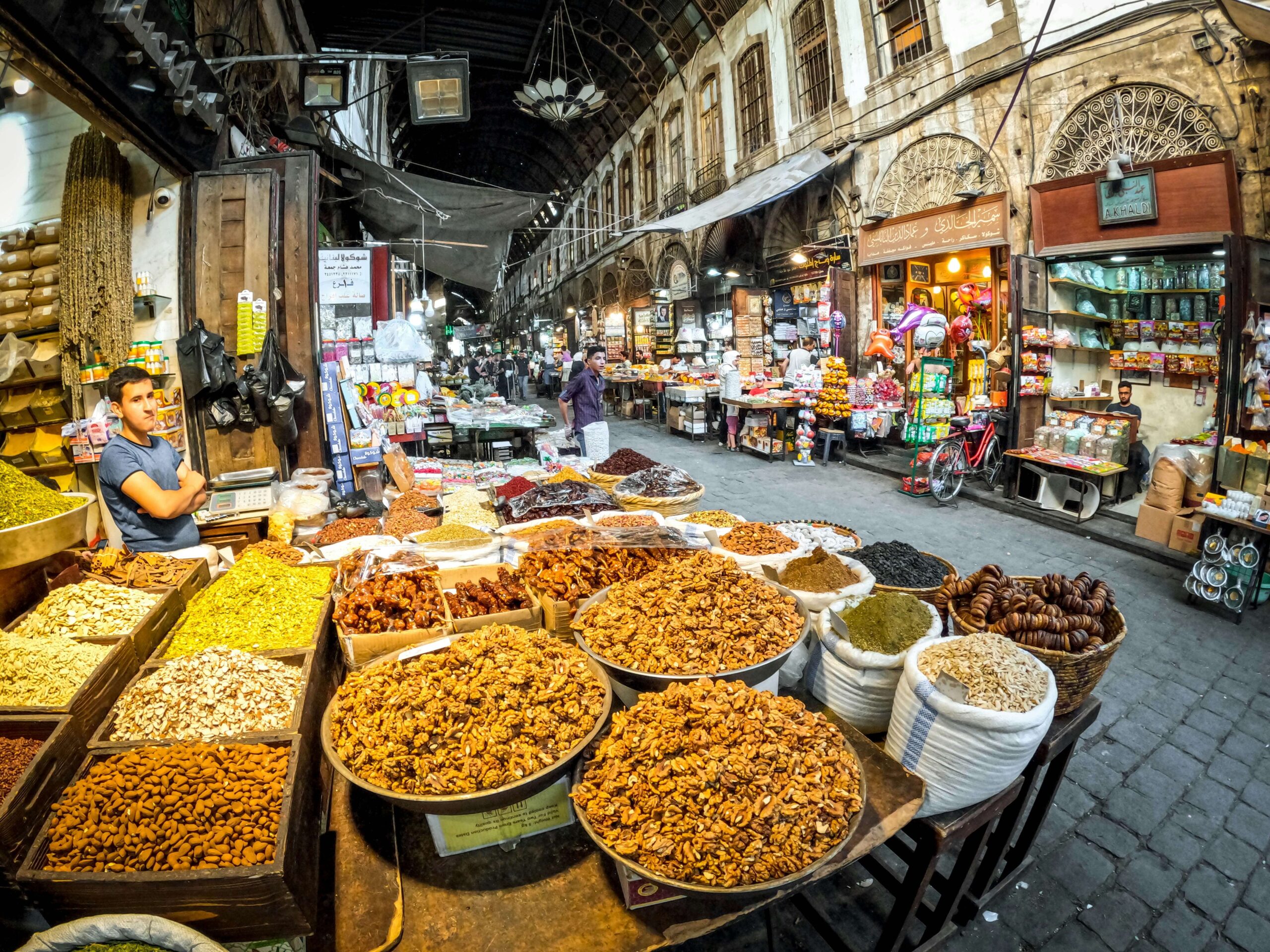
As Syria moves through a gradual period of stabilisation and economic adjustment, international brands are beginning to explore the possibility of entering a market that is reshaping itself after years of disruption. While Syria remains a challenging environment, recent signals of recovery, improved governance, and a growing emphasis on investment-friendly reforms have prompted many companies to reassess the long-term potential of operating within the country.
Is Syria’s Market Slowly Rebuilding Its Economic Foundations?
Syria’s economic landscape continues to reflect the impact of prolonged conflict, with weakened infrastructure, limited financial capacity, and a population that has endured significant social and economic pressure. Despite this, indicators of slow but steady improvement have emerged.
Economic activity is gradually increasing, regulatory frameworks are evolving, and new administrative reforms have been introduced to make the investment climate more predictable. These changes do not remove risk, but they provide international brands with conditions that can support early-stage exploration.
Why International Brands Are Showing Interest
International companies are traditionally drawn to markets in recovery due to their long-term potential. In Syria, several factors contribute to this renewed interest.
Firstly, there is a growing demand for products and services in almost every sector. Years of reduced commercial activity have created gaps across industries, meaning that essential goods, services, and technologies are in short supply. This creates opportunities for brands capable of offering reliable, well-established solutions.
Secondly, attempts to modernise administrative and regulatory systems are gradually creating a more stable foundation for investment. Simplified approval processes, expanded investor support frameworks, and improvements in governance have made the operating environment more understandable for foreign businesses evaluating risk.
Lastly, the presence of a young, resilient, and increasingly returning population strengthens the long-term outlook. As more Syrians re-enter the workforce and economic activity increases, consumer demand is expected to rise in parallel.
Sectors Most Likely to Attract Early Entrants
Although opportunities exist across multiple areas, certain sectors are typically the first to attract foreign attention when a market is rebuilding.
Essential Infrastructure and Construction
Rebuilding basic infrastructure remains a national priority. Companies specialising in engineering, project management, and construction materials may find opportunities as reconstruction slowly progresses.
Healthcare and Essential Services
Large segments of the healthcare system require renewal. International brands offering medical equipment, training services, or essential supplies often enter early, as these areas are fundamental to social recovery.
Telecommunications and Technology
Syria’s efforts to modernise communication networks, payment systems, and digital services provide a natural opening for brands experienced in foundational technologies.
Consumer Goods and Everyday Products
As stability improves, consumer demand gradually shifts toward reliable, high-quality goods. Brands in retail, household products, and basic consumer services often establish a presence to meet these needs.
How International Brands Approach Entry into Syria
Companies entering Syria typically adopt measured, phased strategies. These may involve exploring local partnerships, forming advisory relationships, opening representative offices, or conducting market assessments before formal entry. In Syria, on-the-ground presence is often considered essential for building relationships, navigating administrative processes, and understanding local expectations. Businesses also tend to prioritise compliance, operational planning, and risk management when entering complex markets.
People-Related and Cultural Considerations
Beyond market analysis, international brands must consider the human element of operating in Syria. Establishing a capable workforce requires understanding local employment expectations, cultural norms, communication styles, and workplace practices. Supporting employee wellbeing, offering appropriate incentives, and fostering an inclusive company culture are important steps in building a sustainable presence. In environments that have experienced volatility, attention to leadership, communication, and team cohesion becomes even more critical.
Challenges That Continue to Shape Market Entry
Despite recent improvements, Syria remains a difficult environment for foreign companies. Everyday challenges include limited financial infrastructure, varying administrative processes, and an unpredictable security landscape. Supply chain constraints, regulatory complexity, and the need for robust risk-management frameworks also shape how international brands operate. For these reasons, only companies with long-term vision, patience, and a clear risk-tolerance profile tend to enter early.
What Does the Future Hold for International Brands in Syria?
Syria’s trajectory suggests that the country is gradually reopening to international activity. While significant obstacles remain, the combination of emerging stability, administrative reform, and long-term consumer demand is creating an environment that international brands can begin to consider more seriously. As reconstruction continues and governance improves, the presence of global companies may play an important role in shaping the next phase of Syria’s economic development.
For businesses willing to navigate complexity with resilience and responsibility, Syria represents a market slowly rebuilding its foundations and preparing for deeper engagement with the global economy.