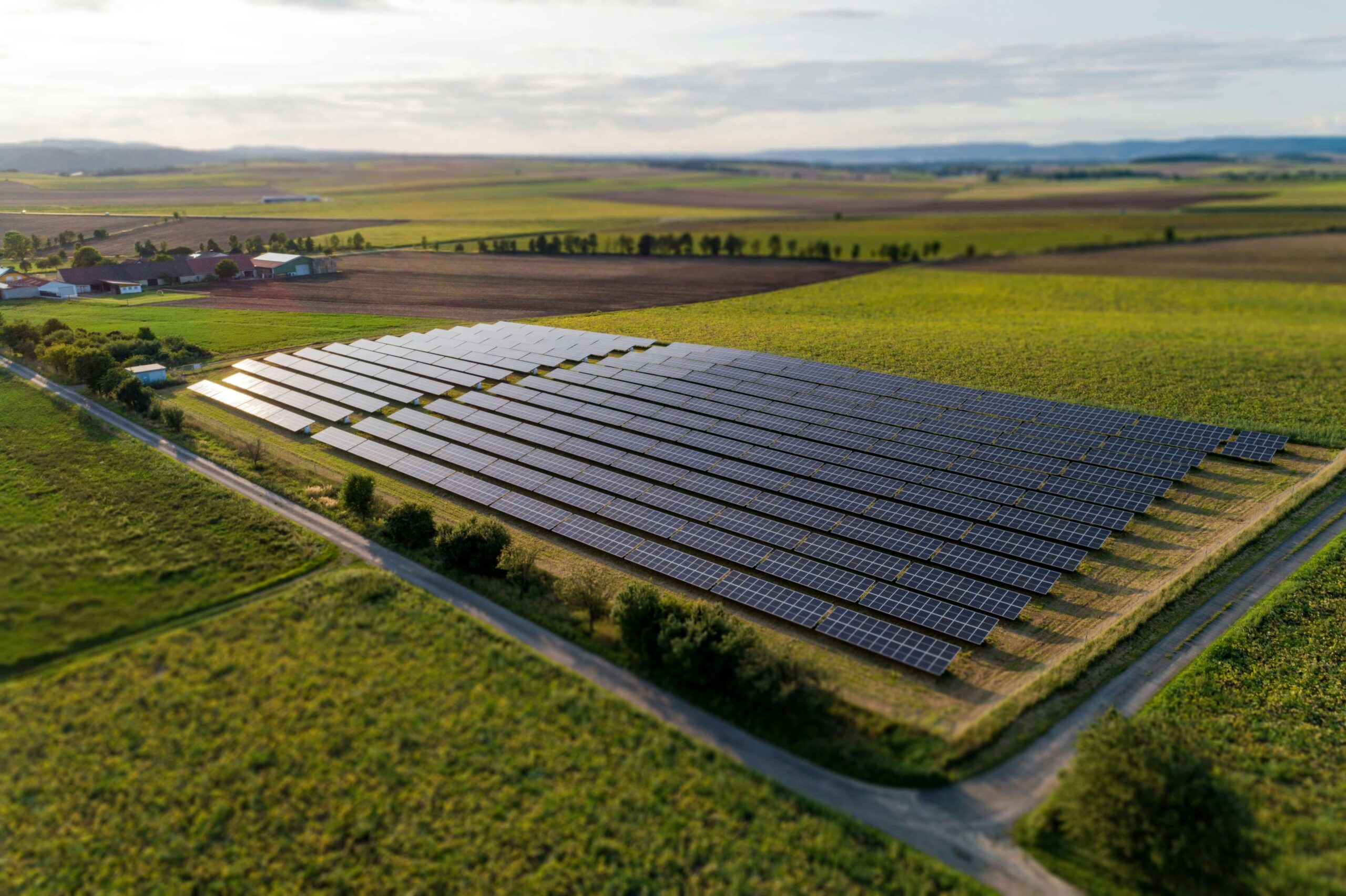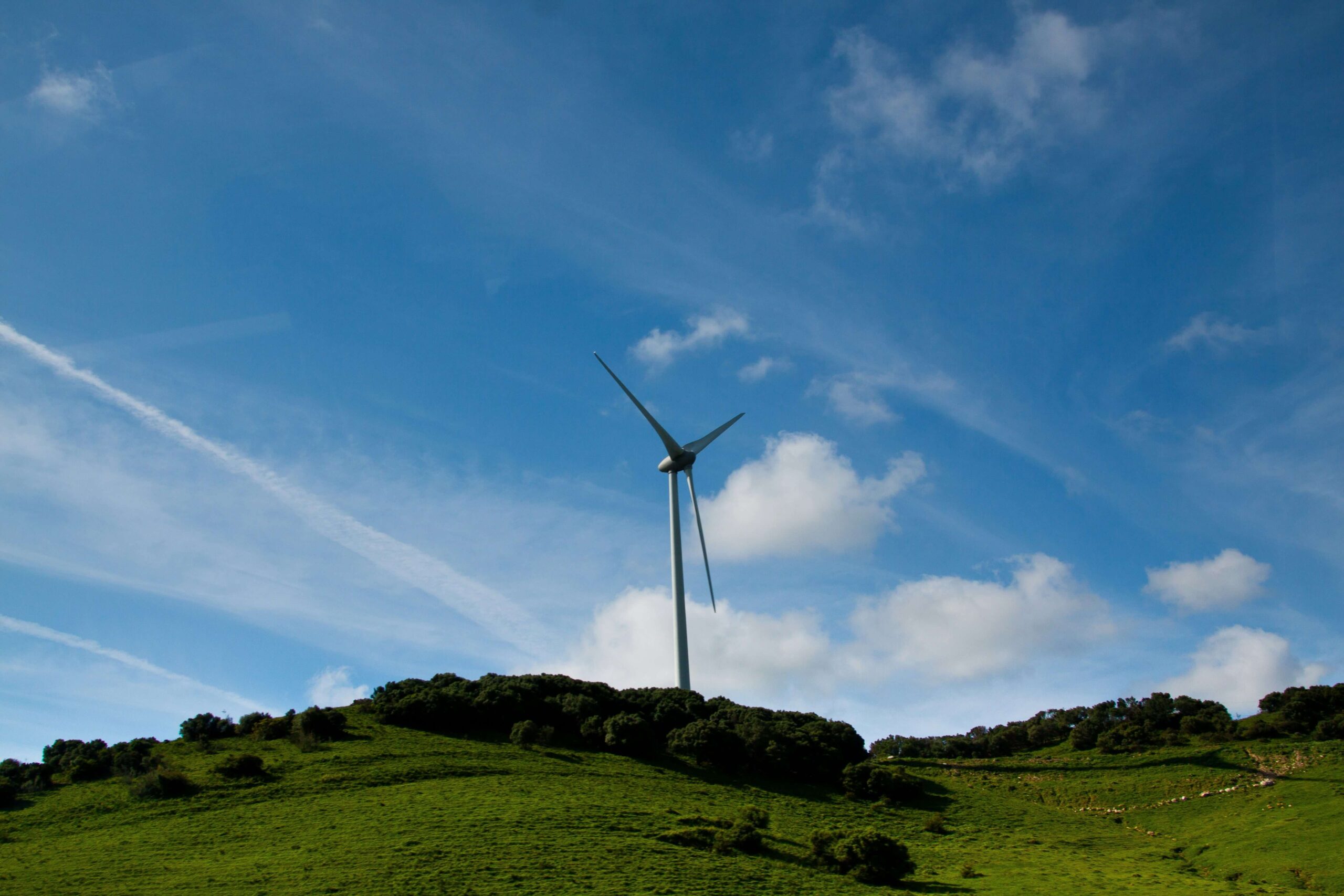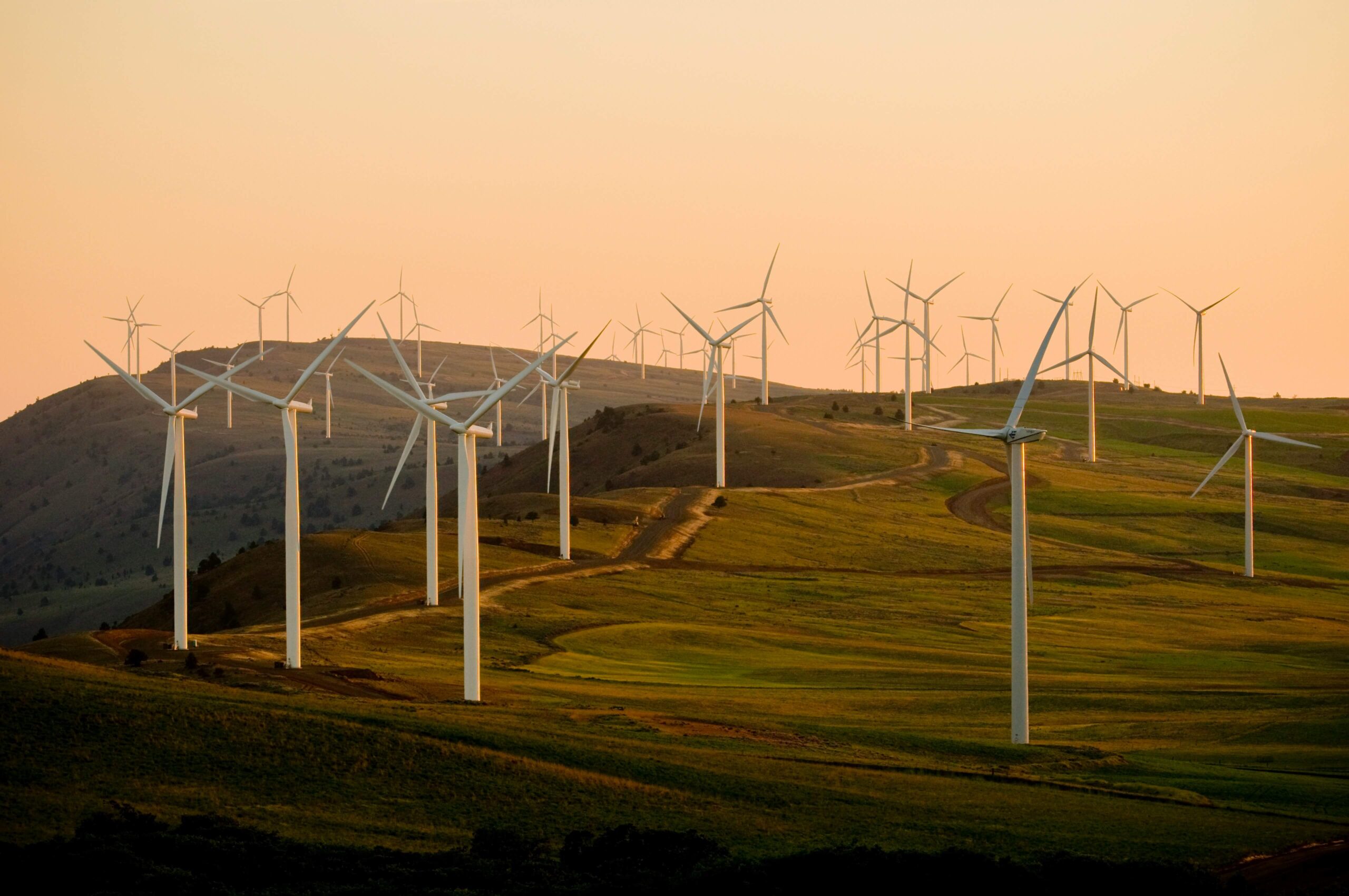
Syria is in a bright sunbelt and has a lot of populated land. There are also strong wind corridors in some parts of the country, and it is at the crossroads of the Levant. All of these things make it a good place to build large-scale renewable energy projects. But making possibilities come true will depend on fixing infrastructure that was damaged in the war, getting long-term funding and governance and connecting projects to regional power markets. Here, I look at the pros and cons of Syria becoming a regional hub for renewable energy, as well as a realistic plan for how it could happen.
What Natural Advantages Does Syria Have?
Syria has a lot of sunshine and wind in its upland areas, which makes it a good place for utility-scale solar PV and some wind farms. If they were combined with improvements to storage and transmission, those renewable resources could help electrify homes and, in the end, make clean power or green hydrogen that could be exported. In addition, its location makes it easy to get to markets in Lebanon, Jordan, Iraq, Turkey and possibly even further into the Eastern Mediterranean. This would be important if Syria wants to be a net exporter of clean energy in the region.
What’s Already Working?
During the years of conflict, more and more people in the area started using solar power as a way to deal with power outages. Households, municipalities and businesses all turned to decentralised PV and diesel hybrids. The organic uptake shows that there is both local demand and technical knowledge of solar technologies, which is a good place to start scaling. In the last few months, international organisations and regional actors have shown interest in rebuilding energy infrastructure and supporting renewable energy as part of recovery efforts. This could lead to pilot projects and concessional financing.
Key Obstacles To Becoming A Regional Hub
The challenges are significant and multifaceted. The most important things are governance, finance, grid repair, and trust in the region. If those pieces come together – thanks to practical pilot projects, support from many countries and step-by-step regional agreements – Syria could go from being a patchwork of local solar solutions to a reliable regional partner for renewable energy in the next ten years.
Grid Damage and Transmission Gaps
Years of fighting have made the national grid very weak. Large-scale renewable energy projects need reliable high-voltage transmission and distribution upgrades to move power from remote projects to demand centres or export interconnectors. It will cost a lot to rebuild.
Financing and Insurance Risk
Even with better diplomacy, high rebuilding costs and perceived political risk keep commercial banks and insurers from underwriting big infrastructure projects without government guarantees or multilateral backstops.
Regulatory and Institutional Capacity
For a modern renewable market to work, there needs to be clear rules for buying power, clear rules for land use and an agency to run auctions and make sure everyone can get to the grid. All of these things need to be set up or made stronger.
Skilled Workforce and Supply Chain
Utility-scale projects need engineers, project managers, construction logistics and operations and maintenance (O&M) skills. These must be built or brought in through partnerships.
Geopolitics and Regional Cooperation
Energy export relies on trust and agreements between governments. Tensions in the region can make it harder to connect across borders and access markets.
Opportunities and Pragmatic Pathways
Even though there are problems, there are a few realistic ways that Syria could become an important player in the region, maybe not right away, but over the course of ten years.
Start With Distributed and Mid-Scale Projects
Put rooftop and distributed PV at the top of the list for towns and industrial areas and mid-sized solar parks that can be connected to repaired local grids. These give developers quick wins (jobs, reliability) and help them gain experience.
Pilot Utility Projects With Multilateral Support
To make the first 100–500 MW projects less risky, use concessional finance or blended-finance facilities from the World Bank, regional development banks or the EU. Donors and multilateral organisations can give guarantees, funding for viability gaps and help with technical issues.
Grid Rehabilitation As a National Priority
Link the rollout of renewable energy to a clear national grid-rehab plan that lays out the order of upgrades, keeps corridors open for interconnection and puts in place a new grid code.
Regional Interconnection and Market Access
Talk to your neighbours about making deals to connect step by step. Even small connections between countries can let you export extra solar power when production is high or bring in balancing power. Public and private regional financing programs can help pay for bigger projects.
Local-To-Export Value Chains
When possible, create local assembly and O&M services to get more economic benefit at home. For example, you could make racking, train O&M crews or find reliable local EPC partners.
Transparent, Investor-Friendly Regulation
To get good developers and long-term capital, set up predictable auction systems, standardise PPAs, make land titles clear and make the permitting process easier.